Creating a comfortable bedroom is not only a styling exercise. It is a practical sleep-health project. This 2026 guide explains how to create a comfortable bedroom environment through temperature, lighting, sound, air quality, and tactile choices. The American Academy of Sleep Medicine and Sleep Research Society recommend that adults regularly sleep at least seven hours nightly. The U.S. Environmental Protection Agency also reports that people spend approximately 90% of their time indoors. Your room deserves serious attention.
Professor Matthew Walker, a leading sleep scientist and director of the Center for Human Sleep Science at UC Berkeley, offers a useful reminder: “Sleep is the single most effective thing we can do to reset our brain and body health each day.” His statement connects bedroom design with physical recovery, not luxury. The World Health Organization recommends keeping indoor bedroom noise below 30 decibels at night for good-quality sleep. A quiet fan, thick curtains, and a well-fitted door seal can make that target more realistic.
Small details matter. Keep the room cool enough for comfortable breathing, but not cold enough to tense your shoulders. Use warm, low lighting before bed. Wash bedding regularly, and check hidden dust around vents and under the bed. A clean room helps, though it cannot solve every sleep problem. My own reflection is simple: the “perfect” bedroom does not exist. Personal comfort varies, and some popular advice feels too rigid. Test one change at a time, observe your sleep, and adjust the room around real experience rather than online trends.
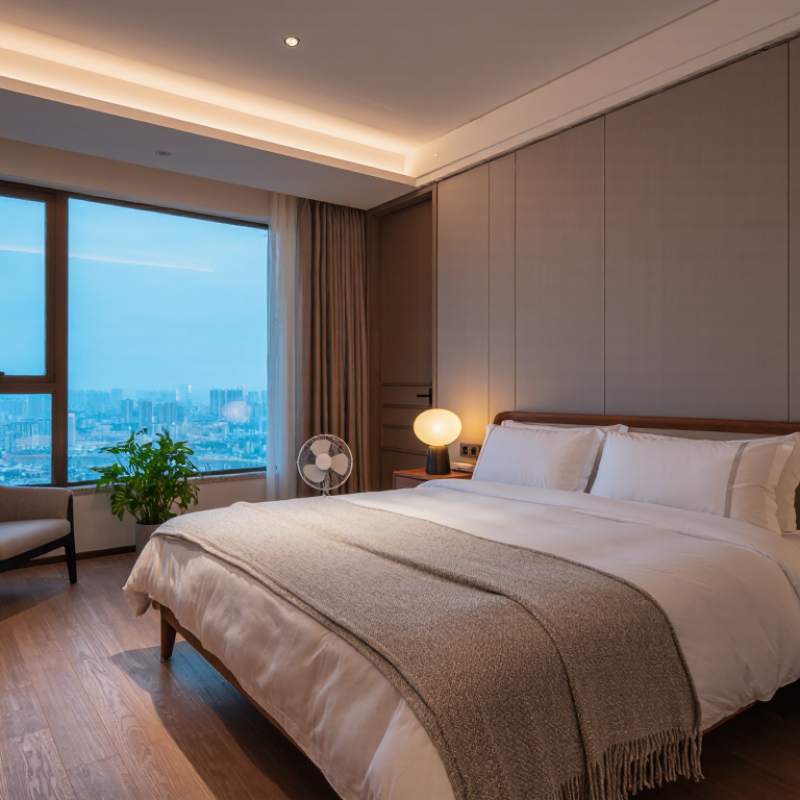
A comfortable bedroom begins with an honest assessment, not a shopping list. Spend one evening noticing temperature, noise, glare, and movement. Is the mattress supportive, or do you wake with stiff shoulders? Check whether curtains block streetlights and whether air feels fresh without becoming cold. Small discomforts often explain poor sleep.
Measure the room before changing its layout. Leave a clear walking path from the door to the bed, ideally without sharp corners nearby. Keep the bed away from direct drafts, while allowing enough space for cleaning and emergency access. Place a reading light within reach, but avoid bright overhead lighting before sleep.
I once placed a dresser beside a narrow walkway. It looked efficient, yet the drawers blocked movement each morning. The plan was wrong.
Your personal needs should guide every decision. A light sleeper may need softer surfaces and better sound control. Someone with allergies should inspect dust around rugs, curtains, and under-bed storage.
If you work in the bedroom, separate the desk from the sleeping area as much as possible. Measure twice. Comfort is personal. Do not assume a symmetrical layout feels relaxing; my own perfectly balanced arrangement felt strangely exposed.
Test one change for several nights, record what improves, and question what merely looks attractive. A professional assessment should consider sleep habits, mobility, ventilation, and safety, not appearance alone.
A comfortable bedroom begins with supportive furniture, not decoration. Choose a mattress that keeps your spine level when you lie on your side or back. A stable bed frame should not wobble or creak during movement. Seat height also matters; a chair should let your feet rest flat without pressure behind the knees. The Centers for Disease Control and Prevention recommends at least seven hours of sleep for most adults, so small physical discomforts deserve attention. I once focused too much on appearance and ignored a poor pillow. That mistake made the room look better, but sleep felt worse.
Bedding should manage heat, moisture, and pressure. Use breathable layers, such as cotton, linen, or responsibly sourced wool, depending on your climate. The National Sleep Foundation suggests a bedroom temperature of about 60–67°F for many sleepers. The U.S. Environmental Protection Agency recommends indoor relative humidity between 30% and 50%, which can reduce dampness and irritation. Choose pillows by sleeping position, then test them for neck support over several nights. Softer is not always more comfortable. Very soft materials may feel pleasant at bedtime but lose support quickly. Check seams, filling, and washing instructions before buying. Materials should feel calm against the skin and remain practical after repeated cleaning. Comfort is personal, and my first choice may still need changing.
| Comfort Area | Recommended Choice | Useful Dimension or Standard | Why It Improves Comfort | Practical Tip |
|---|---|---|---|---|
| Mattress Support | A mattress that keeps the spine relatively neutral and supports the body without creating pressure points. | Replace after about 7–10 years, depending on condition | Balanced support can reduce the risk of sagging-related discomfort and improve sleep posture. | Lie in your normal sleeping position and check whether your hips and shoulders feel evenly supported. |
| Mattress Firmness | Medium-firm support is a practical starting point for many adult sleepers. | Adjust for body weight, sleeping position, and personal preference | Firmness affects pressure distribution, spinal alignment, and ease of movement in bed. | Side sleepers often need more pressure relief, while stomach sleepers usually need stronger pelvic support. |
| Bed Frame | A rigid, stable frame with secure joints and evenly supported slats. | Slat gaps commonly kept at approximately 7.5 cm or less | Stable support helps prevent mattress deformation, noise, and uneven weight distribution. | Inspect the frame periodically and tighten loose fasteners to reduce movement and squeaking. |
| Bed Height | A bed height that allows easy sitting down and standing up. | Top of mattress approximately near knee height | Appropriate height can make daily use easier and reduce strain when entering or leaving bed. | Consider the combined height of the frame, foundation, and mattress rather than the frame alone. |
| Pillow Loft | A pillow height that fills the space between the head, neck, and mattress. | Lower loft for stomach sleeping; medium or higher loft for side sleeping | Correct loft helps maintain a more neutral neck position during sleep. | Side sleepers may need a thicker pillow than back sleepers because of the shoulder-to-mattress gap. |
| Pillow Material | Breathable, resilient filling that retains its shape and can be adjusted when possible. | Replace when permanently flattened, lumpy, or unsupportive | Consistent support can reduce morning neck stiffness and improve sleeping comfort. | Wash or protect pillows according to the care label and use a removable, washable cover. |
| Bedding Fabric | Breathable natural or blended fabrics such as cotton, linen, or moisture-managing performance textiles. | Choose fabric weight and weave according to room temperature | Breathable materials can help manage heat and moisture during the night. | Use lighter, more breathable sheets in warm seasons and warmer layers in cold seasons. |
| Duvet or Blanket | Layered bedding that can be added or removed easily. | Select insulation according to climate and personal sleep temperature | Flexible layers make it easier to maintain a comfortable sleeping temperature. | Avoid using one very heavy layer year-round if bedroom temperatures change substantially. |
| Mattress Protector | A breathable, washable protector that fits securely without bunching. | Wash according to care instructions; use a properly fitted size | It helps protect the mattress from moisture, dust, and everyday wear while preserving comfort. | Choose a quiet, low-profile protector to minimize changes to the mattress feel. |
| Bedroom Temperature | A cool, stable sleeping environment with adequate air circulation. | Many adults sleep comfortably around 16–19°C | Lower temperatures may support the body's natural nighttime cooling process. | Adjust clothing, bedding, ventilation, and heating together rather than relying on one solution. |
| Humidity | Moderate indoor humidity with ventilation when needed. | Generally aim for approximately 30%–50% relative humidity | Balanced humidity can reduce excessive dryness and limit conditions favorable to mold growth. | Use a hygrometer to monitor the room and address condensation or persistent dampness promptly. |
| Lighting | Soft, dimmable lighting in the evening and minimal light during sleep. | Use warm-toned light and reduce bright screens before bedtime | Lower evening light exposure can support the body's transition toward sleep. | Use blackout curtains, an eye mask, or low-level night lighting if outside light disrupts sleep. |
| Noise Control | Quiet surroundings supported by soft furnishings and consistent sound management. | Keep disruptive noise as low and consistent as practical | Reducing sudden or irregular sounds can help limit nighttime awakenings. | Try door seals, curtains, rugs, white noise, or furniture placement before making major changes. |
| Furniture Layout | A clear walking route and accessible storage around the bed. | Leave enough clearance for comfortable movement and drawer access | Unobstructed circulation improves safety, convenience, and the sense of spaciousness. | Keep frequently used items within reach, but avoid overcrowding the area around the bed. |
| Material Safety | Low-odor furnishings with clear care instructions and appropriate indoor-use labeling. | Allow new furniture and textiles to air out when odors are noticeable | Good ventilation and careful material selection can improve perceived indoor air quality. | Follow product safety instructions and avoid covering ventilation openings or heaters. |
A comfortable bedroom begins with controlled conditions, not expensive furniture.
In my experience, gentle lighting makes the strongest immediate difference. Use daylight in the morning, then reduce brightness two hours before sleep. Warm, low-level lamps create fewer visual distractions than harsh ceiling lights. Keep screens away from the bed when possible. I still forget this sometimes.
Bedroom temperature should feel slightly cool, but personal comfort matters. Many sleep specialists suggest about 16–19°C for adults, although age, clothing, and health can change that range. Test one adjustment at a time. A breathable blanket may work better than lowering the thermostat. Avoid placing a thermometer beside a window or heat source. That reading can mislead you.
Humidity deserves regular attention. A hygrometer can help you maintain roughly 30–50% relative humidity. Excess moisture may encourage mold, while very dry air can irritate the throat and skin. Air the room briefly when outdoor conditions are suitable. However, an open window may bring pollen, traffic noise, or damp air inside. Check outdoor air quality before relying on ventilation. Keep bedding clean, reduce dust-catching clutter, and never block air vents. If the room feels stuffy, inspect airflow rather than adding fragrance. A mild, neutral-smelling room is often easier to sleep in. Small changes help, but they require observation. My first setup was comfortable for a week, then the dry air became obvious.
A comfortable bedroom begins with what you remove, not what you add. During a week-long sleep check, I noticed traffic noise woke me before sunrise. Thick curtains softened outside sound, while a door seal reduced the sharp gap beneath the door. If noise continues, steady low-volume background sound can mask sudden changes. Keep it gentle, and test it for several nights. Earplugs may help some sleepers, but they can feel uncomfortable or hide important alarms. Safety matters.
Clutter also keeps the mind alert. I now leave only a lamp, water glass, and book beside the bed. A basket near the doorway catches clothes before they reach the chair. Ten minutes of tidying feels manageable. It is not always enough. On busy evenings, I still create a pile. That failure is useful information: the storage spot may be too far away. Put frequently used items within easy reach, but keep work papers and exercise equipment outside the sleeping area when possible.
Digital distractions are less visible but persistent. Charge devices away from the pillow, silence nonessential alerts, and set a consistent screen-free period before bed. Warm, dim lighting can make the transition easier, although lighting alone cannot repair a late-night work habit. I sometimes check one message and lose thirty minutes. A written note beside the bed helps capture tasks without reopening a screen. Track sleep, awakenings, and morning energy for one week. Adjust one change at a time, since too many changes make it difficult to know what actually helped.
A comfortable bedroom begins before bedtime, not when you finally enter it. Create a repeatable wind-down routine lasting 30 to 60 minutes. I dim the lights, silence phone alerts, and read a few pages in a chair. The room feels different. This signals my body that activity is ending. Avoid demanding tasks during this period, because unfinished work can keep the mind alert.
Keep the bedroom slightly cool, quiet, and free from harsh light. Fresh air can help, but close windows if outdoor noise interrupts sleep. Wash sheets regularly and check pillows for lost support or visible wear. I also remove cups, laundry, and dust from the bedside area each evening. A clear path reduces small frustrations during nighttime movements. Comfort is practical, not only decorative.
I once added too many cushions and soft blankets, thinking they would make the room calmer. That backfired. Now I change one detail at a time and observe my sleep for several nights. This simple method avoids confusing personal preference with useful evidence. If pain, persistent insomnia, or loud snoring continues, discuss it with a qualified healthcare professional. Some problems need more than a better bedroom routine.
Use daylight in the morning. Lower indoor brightness about two hours before sleep. Warm, low-level lamps create fewer visual distractions.
Keep screens away when possible. Silence phone alerts during your wind-down period. I still forget sometimes, so this habit needs regular attention.
Many adults prefer roughly 16–19°C. Personal needs differ because of clothing, age, and health. Test one change at a time.
Not necessarily. A breathable blanket may improve comfort without making the room colder. I once changed several things together and learned very little.
Use a hygrometer and aim for about 30–50% relative humidity. Excess moisture may encourage mold. Very dry air can irritate skin and throat.
Brief ventilation may help when outdoor conditions are suitable. Check air quality first. Pollen, traffic noise, or damp air may make the room worse.
Wash sheets regularly and remove cups, laundry, dust, and clutter. Keep air vents clear. A clear nighttime path prevents small frustrations.
Try a repeatable routine lasting 30–60 minutes. Dim the lights, read a few pages, and avoid demanding tasks. Keep it simple.
Change one detail at a time and observe several nights. Persistent pain, insomnia, or loud snoring deserves discussion with a qualified healthcare professional.
Creating a comfortable bedroom begins with understanding your personal needs, available space, and daily habits. Consider a practical layout that allows easy movement, then choose supportive furniture, breathable materials, and bedding that suits your preferred level of softness and warmth. A comfortable mattress and pillow can also help promote better posture and more restful sleep.
Learning how to create a comfortable bedroom environment also means managing the conditions around you. Use gentle, adjustable lighting, maintain a suitable temperature and humidity level, and keep the air fresh through regular ventilation and cleaning. Reduce unnecessary noise, clutter, and digital distractions to make the room feel calmer. Finally, develop a relaxing bedtime routine and regularly maintain your bedding, furniture, and room organization. These simple, consistent choices can turn your bedroom into a peaceful space for quality rest and recovery.

Ibrixa Home