When choosing furniture for your home, the materials play a crucial role. The question many ask is, "what materials are best for home furniture?" Different materials offer unique benefits and drawbacks. Wood, for instance, is timeless and durable. However, it requires maintenance to avoid wear and tear. Metal furniture is robust and easy to clean, yet it can be cold and uncomfortable.
Fabric options bring warmth and comfort, but stain resistance can be an issue. It's essential to consider the style and function of your space. What works for a modern loft may not suit a cozy cottage. Each choice impacts aesthetics and longevity. Reflecting on your lifestyle is vital when selecting materials. You may find that certain materials resonate more with your personal taste while meeting your practical needs.
Incorporating individual preferences along with expert recommendations can lead to better outcomes. Ultimately, finding the right materials involves balancing elegance with practicality. A thoughtful approach will ensure your furniture lasts and enhances your home’s character.
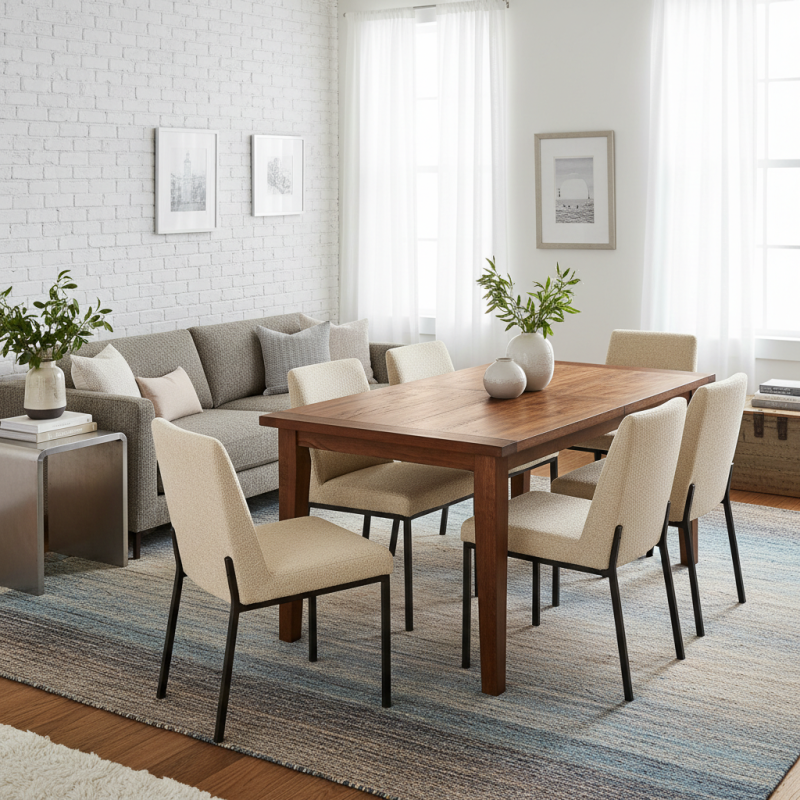
Factors to Consider When Choosing Furniture Materials
When selecting materials for home furniture, several key factors come into play.
Durability is essential. Some materials wear out quickly, such as certain plastics or softwoods, which may not hold up well over time.
Consider the climate in your area. Humidity can warp softer woods, while extreme heat can crack composites.
Another important aspect is maintenance requirements. Fabrics may require regular cleaning, while leather can need conditioning. Choosing the right material can save time and effort later.
Think about your lifestyle too. If you have kids or pets, opt for scratch-resistant surfaces or washable fabrics.
Tips: Test samples whenever possible. This helps you gauge texture and comfort firsthand.
Consider mixing materials for a unique look. Wood can pair beautifully with metal or glass. Remember that not every piece needs to match. It's all about finding balance.
Lastly, feel free to experiment. Over time, your preferences may shift, and so can the materials that resonate with you.
Common Types of Materials Used in Home Furniture
When choosing furniture for your home, the material significantly affects both aesthetics and durability. Common types of materials include wood, metal, and upholstery fabrics. Each type has its unique appeal and function. For instance, wooden furniture provides warmth and a timeless look. Oak, maple, and walnut are popular wood choices. However, wood requires maintenance. It can warp or scratch easily.
Metal, often used for modern designs, offers sturdiness and a sleek appearance. Steel frames or aluminum designs are great for outdoor furniture. Yet, metal can be cold and uninviting. Consider this if you're aiming for comfort in your living space. Upholstered furniture, available in various fabrics, introduces comfort and style. From velvet to leather, upholstery can transform the look of a room. However, these materials can stain and require cleaning.
Weigh the pros and cons when selecting materials. Think about how each fits your lifestyle. Are you ready for the upkeep of wood? Will metal suit your home's warmth? Deciding on furniture materials is an ongoing reflection of your personal style and needs. Each choice tells a story, but sometimes, seeing imperfections within materials invites character to your home.
Best Materials for Home Furniture What to Choose? - Common Types of Materials Used in Home Furniture
| Material Type |
Common Uses |
Pros |
Cons |
| Solid Wood |
Tables, Chairs, Cabinets |
Durability, Aesthetic appeal, Easy to repair |
Expensive, Can be heavy, Sensitive to moisture |
| Plywood |
Cabinetry, Shelving, Furniture frames |
Cost-effective, Stable, Variety of finishes |
Less durable than solid wood, Can warp |
| Metal |
Tables, Chairs, Frames |
Strong, Long-lasting, Modern look |
Prone to scratches, Can be heavy |
| MDF (Medium Density Fiberboard) |
Tables, Shelves, Cabinets |
Smooth finish, Cost-effective, Versatile |
Not as strong as wood, Sensitive to moisture |
| Glass |
Tables, Shelving, Decorations |
Elegant appearance, Easy to clean |
Fragile, Can be heavy |
Pros and Cons of Wood Furniture Materials
When considering wood furniture, it’s vital to weigh the pros and cons. Wood is durable and can last many years, making it a popular choice. According to the American Home Furnishings Alliance, solid wood furniture can last for decades with proper care. However, it often requires more maintenance than other materials. Regular polishing can prevent scratches, but it might become tedious for some homeowners.
On the downside, solid wood tends to be more expensive than alternatives like particle board. The market shows that consumers often pay up to 50% more for solid wood pieces compared to composites. Additionally, wood is susceptible to moisture damage. Even well-finished surfaces can warp or swell in humid conditions. This factor complicates maintenance, especially in regions with fluctuating climates.
Recycled wood is an eco-friendly option. It reduces landfill waste and promotes sustainability, aligning with current consumer preferences. However, finding quality recycled pieces can be challenging. Not all recycled wood meets durability standards. Therefore, buyers should do thorough research before purchasing. Often, the best choice hinges on balancing aesthetics, functionality, and budget constraints.
The Benefits of Upholstery Fabrics for Home Furniture
When choosing upholstery fabrics for home furniture, consider the unique benefits they offer. Upholstery fabrics enhance comfort and style. They come in various textures and colors, allowing personal expression. Soft fabrics like velvet feel luxurious, while durable fibers withstand daily use.
Durability is crucial for any home furniture. Upholstery materials can vary significantly. Some are highly resistant to stains and wear, ideal for high-traffic areas. Others may require more care but add a touch of elegance. Evaluating your lifestyle before making a choice is important.
Maintenance is another factor. Some fabrics need regular cleaning, while others are more forgiving. Remember, this choice reflects your home's atmosphere. A cozy living space encourages relaxation, while a sleek design can energize the room. Balancing functionality with aesthetics helps create your ideal environment.
Sustainable Options for Eco-Friendly Furniture Materials
When considering eco-friendly furniture materials, sustainability is key. One popular option is bamboo. It grows rapidly, making it a renewable resource. According to the Forest Stewardship Council, bamboo absorbs carbon dioxide and produces 35% more oxygen than trees. This makes it an excellent choice for those concerned about their carbon footprint.
Recycled materials are another viable option. Furniture made from reclaimed wood or recycled plastics helps reduce waste. A recent report from the environmental research group shows that using recycled materials can cut down new raw material usage by 70%. However, not all recycled furniture is created equal. Some products may still contain harmful chemicals. Always check certifications to ensure safety.
Tips: Look for certification labels like FSC or GREENGUARD. These indicate responsible sourcing and low emissions. Furthermore, consider multifunctional furniture. It can reduce the need for multiple pieces and optimize space. This can lead to a smaller environmental impact overall. Remember, the path to eco-friendly choices can be complex. It requires evaluating materials, sourcing, and sustainability practices.
Best Materials for Home Furniture
FAQS
: Common materials include wood, metal, and upholstery fabrics. Each has unique features and functions.
Wooden furniture is durable and offers a timeless look. It can last for decades with proper care.
Wood requires significant maintenance and is susceptible to moisture damage. It can warp or swell in humid areas.
Metal furniture is sturdy and has a sleek appearance. It suits modern designs, particularly for outdoor use.
Upholstered furniture adds comfort and style. However, it can stain easily and requires regular cleaning.
Bamboo grows quickly and absorbs carbon dioxide. It offers an excellent choice for environmentally conscious consumers.
Finding quality recycled wood can be tough. Not all recycled options meet durability standards.
Check for certification labels like FSC or GREENGUARD. They indicate responsible sourcing and low emissions.
Multifunctional furniture optimizes space and reduces the need for multiple pieces, lowering your environmental impact.
Consider your lifestyle and preferences. Sometimes, imperfections in materials can add character to your home.
Conclusion
When considering what materials are best for home furniture, several factors come into play, including durability, aesthetic appeal, and maintenance requirements. Common materials include wood, upholstery fabrics, and sustainable options that cater to eco-conscious consumers. Each type offers distinct advantages and disadvantages; for instance, wood furniture is known for its longevity and classic look but may require more care over time.
Upholstery fabrics provide comfort and diverse design choices, making them a popular choice for seating. Additionally, the trend towards sustainable materials emphasizes the importance of eco-friendly options, allowing homeowners to make environmentally responsible choices without sacrificing style. By understanding the pros and cons of each material, individuals can make informed decisions that best suit their needs and preferences.

 Ibrixa Home