Choosing the right furniture for small spaces can be a challenging endeavor. Many people struggle with making the most of limited square footage. The right pieces can transform a cramped area into a stylish and functional sanctuary. This requires careful consideration and a strategic approach to design.
Understanding how to select the right furniture for small spaces involves a blend of creativity and practicality. Consider multifunctional furniture, such as a sofa bed or an expandable table. They save space while providing necessary functions. Light colors often create an illusion of more space, making rooms feel airy and open.
Don’t shy away from reflecting your personality in your choices. It’s essential to find a balance between functionality and aesthetic appeal. Each selection should serve a purpose but also contribute to the overall vibe of your home. An underwhelming choice may leave a room feeling chaotic. Reflecting on your needs and lifestyle is crucial in this process.
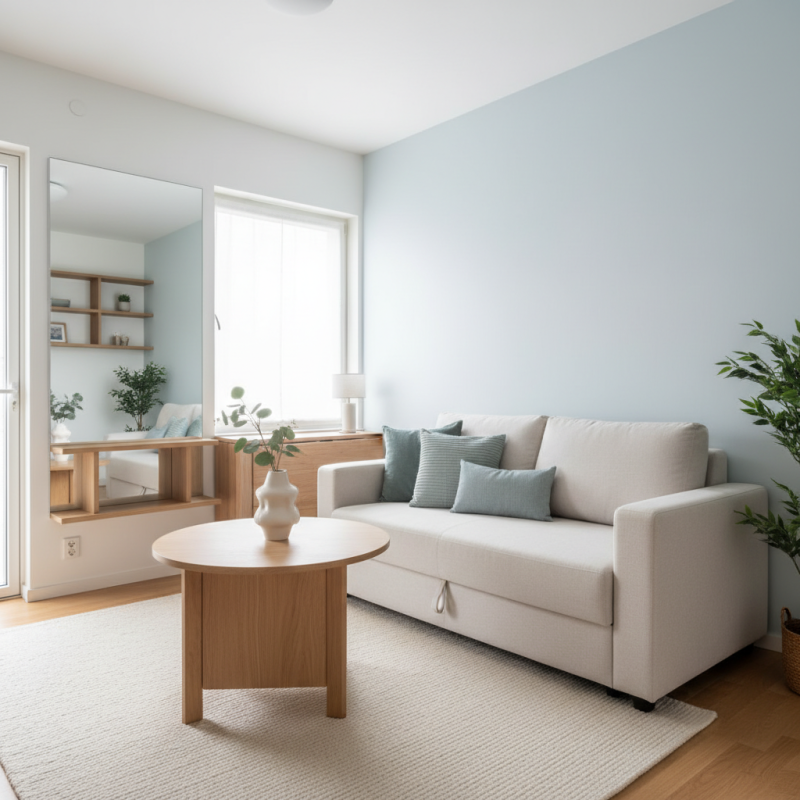
Small spaces come with unique challenges that require thoughtful furniture selection. According to a recent study by the American Home Furnishings Alliance, nearly 30% of homes in urban areas are under 1,000 square feet. Maximizing these limited areas often means balancing style and functionality. Compact furniture, such as foldable tables or storage ottomans, can effectively utilize space without sacrificing design.
In addition to space constraints, the psychological effect of small rooms must not be overlooked. Research from the Journal of Environmental Psychology indicates that overcrowded spaces can lead to stress and discomfort. This awareness creates an opportunity for designers to innovate. Multi-purpose furniture allows residents to adapt their living spaces. For example, a sofa bed can transform a living area into a guest room.
However, when selecting furniture, it’s crucial to consider individual needs. A piece that suits one person may feel cramped for another. Personalization is key. For instance, using wall-mounted shelves can free up floor space but may require careful consideration of weight limits and accessibility. Reflecting on these choices can lead to more sustainable and satisfying living environments.
: Consider compact furniture like foldable tables or storage ottomans. They save space and maintain style.
Measure the room's length and width. Note any irregularities such as alcoves or doorways.
Scale is crucial. Oversized furniture can make a room feel cluttered. Opt for smaller, streamlined pieces.
Lightweight materials like metal or molded plastic are ideal. They are easier to move around.
Reflect on your individual needs. What works for one person may not work for another.
Multi-functional furniture saves space. A sofa bed can serve as both a couch and a guest bed.
Sometimes, beautiful pieces may not be practical. Find a balance between style and usability.
Leave at least 18 inches between furniture pieces. This allows for comfortable movement.
Test different arrangements before finalizing. Be open to adjusting your choices.
Reflecting on choices can lead to a satisfying living environment. Embrace imperfections in your design.
When considering how to select the right furniture for small spaces, it’s essential to first understand the unique challenges posed by limited square footage. Measuring your space accurately allows for optimal furniture fit, ensuring that pieces not only fit comfortably but also enhance functionality. Choosing versatile furniture is crucial; multi-functional pieces can serve dual purposes, such as a sofa bed or an ottoman with storage, maximizing utility in smaller areas.
Additionally, careful attention to material and design plays a vital role in balancing aesthetics with practical needs. Light colors and minimalistic designs can create an illusion of spaciousness while also being easy to maintain. Lastly, don't overlook the potential of vertical space; incorporating shelving and smart storage solutions can help you make the most out of every inch, creating a more organized and visually appealing environment. By following these guidelines, you can successfully navigate the complexities of small space living and choose furniture that enhances both style and functionality.

 Ibrixa Home