Choosing the right furniture is essential for modern interior design. The right pieces can transform a space, creating both style and comfort. Understanding how to choose furniture for modern interior design involves several key factors.
First, consider the scale and proportion of your room. Large furniture can overwhelm a small space. Conversely, tiny pieces may get lost in a larger area. Look for items that fit well without cluttering. Next, focus on materials and textures. Wood, metal, and fabrics should complement each other. Mixing these elements can create a vibrant atmosphere.
Finally, think about purpose and functionality. Will the furniture be used daily? Comfortable seating is crucial for living spaces. Reflecting on these choices ensures a balanced and inviting environment. Don't be afraid to reassess your selections. Sometimes, the perfect piece is not immediately obvious. Each choice should enhance your design vision while remaining practical.
Understanding Modern Interior Design Principles
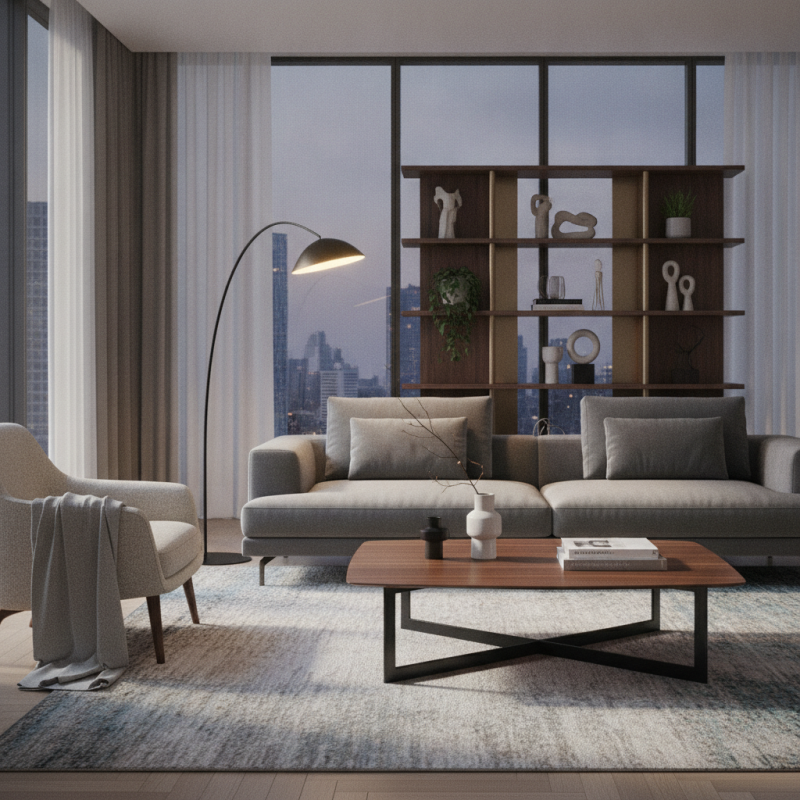
Modern interior design is rooted in simplicity and functionality. It embraces clean lines and open spaces. The goal is to create an environment that feels uncluttered yet inviting. Choosing the right furniture plays a key role in achieving this aesthetic. Consider pieces that embody minimalist design but still add warmth and character.
Understanding color and texture is essential. Neutral tones often dominate modern spaces, but accents can bring life. Think of a bold rug or vibrant cushions. Lighting is another important element. It sets the mood and enhances the overall design. Natural light is ideal, but stylish fixtures can make a statement too.
Furniture selection should reflect personal style while respecting the principles of modern design. Avoid overcrowding a room. Leave space for movement and interaction. Each piece should serve a purpose. Functionality does not have to sacrifice style. Reflect on how each item contributes to the overall harmony of the space. Embrace imperfections in design. They often bring character and charm to a modern setting.
How to Choose Perfect Furniture for Modern Interior Design?
| Furniture Type |
Material |
Color |
Style |
Functionality |
| Sofa |
Leather |
Gray |
Contemporary |
Comfort and Style |
| Dining Table |
Wood |
Natural |
Minimalist |
Gathering and Dining |
| Bed |
Fabric |
Beige |
Scandinavian |
Sleeping and Relaxation |
| Coffee Table |
Glass |
Clear |
Modern |
Entertainment and Display |
| Chair |
Metal |
Black |
Industrial |
Seating Option |
Identifying Your Personal Style and Preferences
Choosing furniture that reflects your personal style is crucial for modern interior design. Start by assessing your preferences. Do you lean toward minimalist aesthetics or prefer bold, eclectic looks? Each decision shapes the overall vibe of your space.
Consider colors and materials. Subtle tones can create a calm environment. Meanwhile, vibrant hues can energize a room. Think about textures too. Combining wood, metal, and fabric can add depth. Reflect on how you want to feel in your space. This reflection is vital for making choices that truly resonate.
Next, plan your layout. Visualizing how furniture interacts within the space can uncover preferences you might overlook. Arranging pieces allows you to experiment, but it may also reveal mismatches. Don’t hesitate to change your mind. Furniture should evolve with your style. Remember, it’s perfectly fine to revise your choices. Embrace the journey of personal expression through your environment.
Selecting the Right Materials and Textures
When selecting materials for modern furniture, it is essential to consider how textures shape a space. Various studies, including one by the American Society of Interior Designers, show that texture can influence emotional responses to a room. Soft fabrics, like velvet, create warmth and comfort, while sleek metals offer a feeling of sophistication. Balance is crucial. Too many smooth surfaces can lead to an uninspired look.
Sustainability is another vital aspect to consider. According to a recent report by the Furniture Industry Research Association, about 70% of consumers prefer furniture made from eco-friendly materials. Bamboo and reclaimed wood are popular choices. They add unique textures, telling stories through their imperfections. However, these materials may require more maintenance than conventional options, which can be a drawback.
Variety in materials can help create a cohesive yet dynamic environment. Mixing textures gives life to a space. A rough stone coffee table paired with soft linen cushions can evoke a sense of balance. The challenge lies in ensuring that these elements complement each other rather than clash. Choosing the right combination may take time and reflection. Don’t rush the process. Each decision should resonate with your personal style and the overall vibe you aim to achieve in your space.
Balancing Functionality and Aesthetics in Furniture
Choosing furniture for a modern interior design can be challenging. The key lies in balancing functionality and aesthetics. Modern spaces are often multifunctional. Each piece must serve a purpose while contributing to the overall design. Consider a coffee table that offers both storage and style. It can be a focal point, yet provide practicality.
Comfort is another vital element. A stylish chair may look great, but if it's uncomfortable, it fails its purpose. Test each piece before buying. Pay attention to materials and construction. Durable materials ensure longevity. However, aesthetics should not be overlooked. Choose colors and textures that complement your vision. Mixing wood, metal, and fabric can create visual interest.
Think about how your furniture interacts with the space around it. Oversized pieces can overwhelm a small room. Mirrors and light colors can help make a space feel larger. Remember, it’s okay to not get it perfect on the first try. Sometimes, furniture requires adjustments to fit the flow of your home. Reflect on your choices and be open to changes.
Incorporating Color Schemes and Patterns in Furniture Choices
In modern interior design, color schemes and patterns play a vital role in furniture selection. Research indicates that 75% of consumers prefer furniture that complements their overall color palette. Understanding how colors interact can enhance the visual appeal of any space. For instance, neutral tones as a base allow for pops of vibrant colors through cushions or artwork, providing a cohesive look.
Patterns, too, are significant. The 2022 Interior Design Trends Report highlights that bold patterns, like geometric designs, can create focal points in a room. However, overdoing patterns can lead to visual clutter. It’s essential to balance bold pieces with simpler ones. For instance, a patterned chair paired with a solid sofa creates harmony.
Incorporating different textures can elevate design, but caution is key. Too many competing elements may confuse the space. An understated approach often works best. Selecting a few key pieces, while allowing surrounding elements to be more understated, can achieve a sophisticated look. Therefore, reflect on your choices. Make sure they resonate with your style while ensuring each piece contributes to a unified environment.
FAQS
: Materials like soft fabrics create warmth, while sleek metals offer sophistication. Balance is essential.
Many consumers prefer eco-friendly materials. Options like bamboo and reclaimed wood add unique textures and stories.
Eco-friendly choices often require more maintenance. This can be a drawback for some users.
Mixing different textures creates a dynamic environment. It evokes balance and liveliness in the design.
Color schemes help create visual appeal. Neutral tones can accentuate vibrant colors effectively.
Bold patterns can create focal points. However, overuse may lead to visual clutter in the space.
Choose a few bold pieces and pair them with simpler items. This minimizes confusion and enhances sophistication.
Thoughtful reflection on choices ensures alignment with personal style and contributes to a cohesive environment.
No, take your time. Each decision should resonate with your style and the desired atmosphere of your space.
Ensure that all elements complement rather than clash. A balanced approach creates harmony in the design.
Conclusion
Choosing the perfect furniture for modern interior design involves understanding key principles of design, identifying your personal style, and selecting the right materials. First, familiarize yourself with modern design concepts, which often emphasize minimalism and functionality. Next, reflect on your preferences to ensure that the furniture resonates with your aesthetics and lifestyle.
When considering how to choose furniture for modern interior design, it's essential to balance functionality with aesthetics. Look for pieces that not only complement your home's overall look but also serve practical purposes. Additionally, incorporating suitable color schemes and patterns can enhance the visual appeal of your space, making it feel cohesive and inviting. By thoughtfully combining these elements, you can create a modern interior that is both stylish and personalized.

 Ibrixa Home