Why Choosing the Right Furniture is Crucial for Small Spaces?

Time:2026-07-26 Author:Oliver
0%

In small spaces, the right furniture can make a pivotal difference. As renowned interior designer Kelly Wearstler notes, "Every piece should tell a story." This sentiment resonates heavily when considering how to select the right furniture for small spaces. The choices we make can alter a room's functionality and style.

Selecting furniture for limited areas requires strategic thinking. Each item must serve multiple purposes without sacrificing aesthetics. For instance, a coffee table that opens for storage can maximize utility. Mirrors are another great choice; they create the illusion of space while adding elegance.

However, the process isn't always simple. People often lean towards oversized items that overwhelm their rooms. It’s essential to measure both physical space and emotional impact. Small spaces deserve thoughtful, curated pieces that reflect personal style. It’s a challenge to find balance, yet it can lead to a beautifully tailored environment. Through reflection and careful selection, we can conquer the intricacies of small space living.
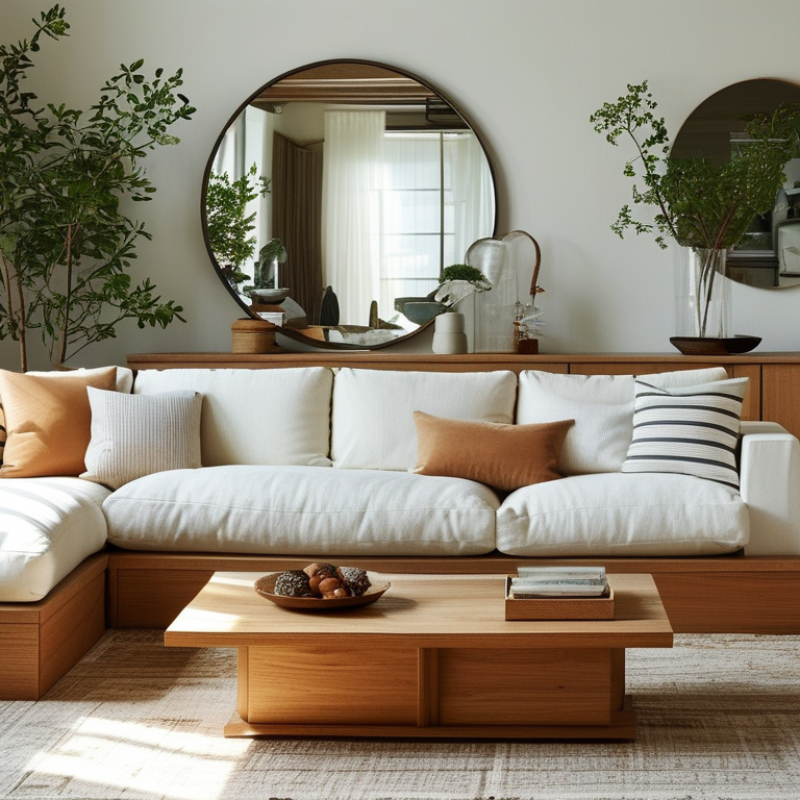
Why Choosing the Right Furniture is Crucial for Small Spaces?

Understanding the Unique Challenges of Small Space Living

Living in a small space presents unique challenges. Research shows that over 40% of urban dwellers live in apartments under 600 square feet. This limitation demands smart furniture choices that maximize functionality and aesthetics. A sofa bed could easily transform a living room into a guest room. Compact dining tables can be tucked away when not in use, yet provide a social hub for guests.

However, not all furniture designed for small spaces is created equal. Some pieces may look appealing but fail in practical use. For instance, a stylish coffee table may lack storage options, leaving little room for everyday items. According to recent industry data, more than half of homeowners in small apartments express dissatisfaction with their furniture choices. Comfort is another key factor; small, hard-to-navigate spaces may lead to clutter and discomfort.

In small residences, the balance between design and practicality is often a tightrope walk. A well-chosen piece can create an inviting atmosphere while serving multiple functions. Still, the risk of overcrowding remains ever-present. Reflecting on these aspects can lead to better decision-making. Investing in adaptable features and thoughtful design can significantly enhance small space living.

The Importance of Scale and Proportion in Furniture Selection

When it comes to small spaces, scale and proportion are essential in furniture selection. Choosing the wrong size can overwhelm a room. Oversized sofas and bulky tables can create a sense of clutter. On the flip side, too-small pieces can make the space feel empty and uninviting. Striking the right balance is key for a harmonious atmosphere.

To ensure that your furniture fits seamlessly, consider the dimensions of your space. Measure your room before shopping. Visualizing the layout can also help. Use painter’s tape to outline where pieces will go. This can reveal how different items interact with your space. It’s not just about fitting furniture; it’s also about how it feels in the room.

**Tips**: Look for multi-functional furniture. A storage ottoman can serve as seating and keep your space organized. Also, opt for lighter colors or transparent materials. They can create an illusion of a more expansive area. Always be open to rearranging your furniture until it feels right. Don’t be afraid to experiment. Sometimes, unexpected arrangements can lead to surprising results.

Maximizing Functionality with Multi-Use Furniture in Compact Areas

In small spaces, selecting the right furniture is vital. Multi-use furniture enhances functionality by offering several roles. A murphy bed, for example, saves floor area during the day. When folded, it frees up space for other activities. The right piece can transform a room visually and practically.

Consider using a coffee table that doubles as a storage chest. This approach combines aesthetics with practicality. It can store blankets, books, or magazines, reducing clutter. This simplicity often leads to a more inviting space. Look for modular furniture that can be rearranged easily. It adapts as needs change, promoting versatility.

Though these solutions offer improved function, they can present challenges. Finding pieces that meet multiple needs isn't always simple. Sizing is crucial; miscalculating can lead to cramped areas. Ensure furniture proportions fit well in the space. Reflection on what you truly need is important in this process.

The Role of Color and Design in Making Small Spaces Feel Larger

Color and design play a pivotal role in transforming small spaces. Choosing the right color scheme can create an illusion of added space. Light colors, such as soft whites and pale pastels, reflect natural light. This reflection makes a room appear larger and more open. Dark shades, on the other hand, can make a space feel cozy but may also constrict it visually. It’s crucial to find a balance between comfort and spatial perception.

Minimalist design is equally important. By selecting furniture with clean lines, small spaces can feel more organized. Bulky furniture can overwhelm a room, making it feel cramped. Choosing multi-functional pieces can also enhance the usability of small areas. An ottoman that doubles as storage or a coffee table with shelves can optimize space efficiently. However, it can be challenging to find the perfect items that meet both function and style. This process often requires trial and error.

Accessorizing thoughtfully can further enhance the aesthetic of small rooms. Mirrors can give the illusion of depth. A strategically placed mirror can create a focal point while adding light. Additionally, avoiding excessive decorations helps to prevent a cluttered look. Each choice should reflect personal taste while maintaining spaciousness. Finding this balance can be a journey, often leading to reflection on what truly matters in design and functionality.

Why Choosing the Right Furniture is Crucial for Small Spaces? - The Role of Color and Design in Making Small Spaces Feel Larger

Dimension Color Scheme Design Style Impact on Space Perception
Small (Under 200 sq ft) Light neutrals (white, beige) Minimalist Creates an airy feeling
Medium (200-400 sq ft) Soft pastels (light blue, soft green) Contemporary Adds warmth without crowding
Large (400-600 sq ft) Bold colors (navy blue, deep red) Eclectic Can make space feel cozy but manageable
Multi-Functional Configurations Monochromatic schemes Modern Maximizes usability while maintaining openness

Industry Insights: Trends in Small Space Furniture Solutions for 2023

In 2023, the demand for small space furniture has surged. Reports indicate that about 60% of urban dwellers live in spaces under 800 square feet. This statistic highlights the growing necessity for designs tailored to compact living. Innovative furniture solutions that maximize utility and style are now becoming sought-after trends.

Multifunctional furniture is leading the way. Items like sofa beds, foldable tables, and storage ottomans are no longer just convenient; they are essential. Statistics show that 75% of small space residents prioritize versatility in furniture design. Visual appeal still matters. Heightened aesthetics draw buyers in, with 85% of consumers stating that design influences their purchasing decisions.

However, the industry faces challenges. Designers must balance functionality with comfort. Some furniture solutions, while space-saving, compromise ergonomics. Users often report discomfort when using certain multi-purpose items. This feedback reveals a gap that needs addressing. An emphasis on user experience is crucial as consumers become more discerning about their furniture choices.

FAQS

: What is multi-use furniture?

: Multi-use furniture serves several functions, enhancing space efficiency. It can transform areas for different activities.

How does a murphy bed help in small spaces?

A murphy bed saves floor area. It folds away to free space for daytime activities.

What features should I look for in small space furniture?

Look for modular designs that can be easily rearranged. Consider pieces with storage capabilities too.

Why is sizing important when choosing furniture?

Incorrect sizing can create cramped spaces. Ensure furniture dimensions fit well to maintain comfort.

What challenges arise with multi-use furniture?

Finding the right piece can be complex. Compromises may affect comfort, leading to user dissatisfaction.

How significant is aesthetics in furniture choices?

Design plays a crucial role. Many consumers prioritize visual appeal in their purchasing decisions.

Can multifunctional furniture impact comfort?

Yes, some space-saving solutions may sacrifice ergonomics. Users sometimes report discomfort with certain designs.

What should I reflect on before purchasing furniture?

Think about your actual needs and how you plan to use the space effectively.

How has the demand for small space furniture changed?

The demand has increased, with more people living in compact areas. Innovative solutions are now essential.

Is versatility a priority for small space residents?

Absolutely, many prioritize versatility in furniture design for better functionality in limited spaces.

Conclusion

Choosing the right furniture for small spaces is essential to enhance both functionality and aesthetics. Small space living presents unique challenges, such as limited square footage, which necessitates careful consideration of scale and proportion in furniture selection. When selecting furniture, it's crucial to opt for pieces that complement the space without overwhelming it, ensuring a harmonious balance that promotes comfort and usability.

Incorporating multi-use furniture can significantly maximize functionality in compact areas. For instance, choosing a sofa bed or an extendable dining table allows for versatility and adaptability to different needs. Additionally, the use of color and design elements can create an illusion of spaciousness, making small areas feel larger and more open. As 2023 trends reveal, innovative small space furniture solutions are increasingly focusing on smart designs that cater to urban living, addressing the growing demand for efficient and stylish home furnishings. Understanding how to select the right furniture for small spaces ultimately enhances both the practical and visual appeal of any small living environment.

Oliver

Oliver

Oliver is a seasoned marketing professional with a wealth of expertise in driving brand awareness and engagement. With a deep understanding of our company's product offerings, he consistently delivers high-quality content that enriches our professional blog. His insights not only shed light on......