Creating a harmonious space is essential in interior design. According to renowned designer Sarah Johnson, "The key to a stunning room is balance." She emphasizes the role of furniture in achieving this balance. Understanding how to create a balanced interior design with furniture is crucial for both aesthetics and functionality.
When arranging furniture, consider scale and proportion. Large pieces can dominate a room, while smaller items might get lost. Balance is not just about physical space; it includes visual weight. Contrasting textures and colors can enhance this balance, making the design more engaging.
However, achieving balance isn't always easy. Often, people overlook the importance of negative space. Too much furniture can lead to clutter. Reflecting on your choices is vital. Each piece should serve a purpose and contribute to the overall harmony. Remember, it's a process of trial and error. Embrace imperfections, and learn as you refine your space.
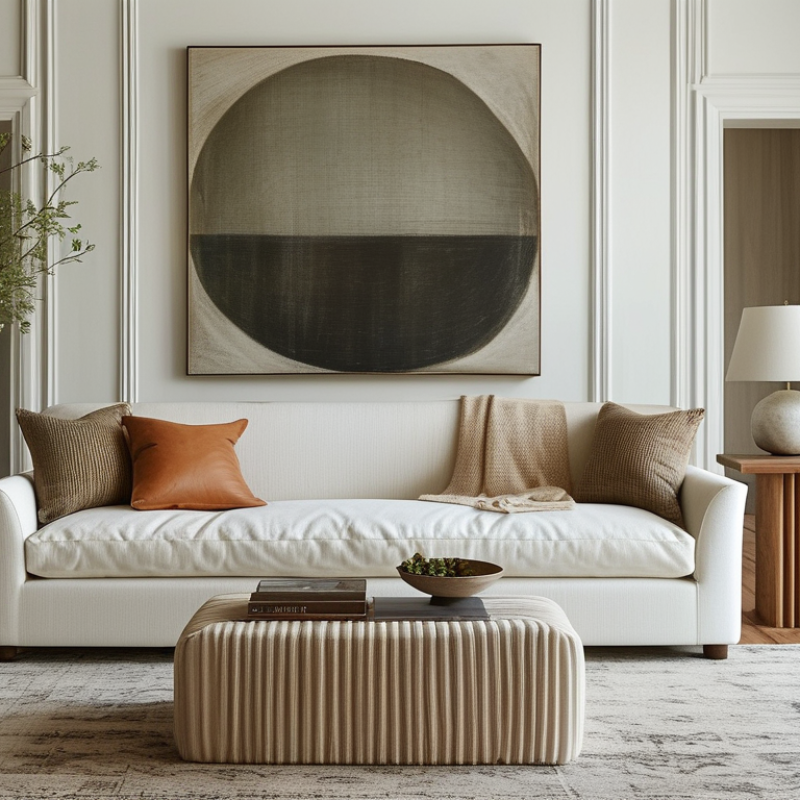
Understanding the Principles of Balanced Interior Design
Creating a balanced interior design requires understanding the core principles that govern harmonious spaces. Balance can be achieved through symmetry, asymmetry, and radial arrangements. Symmetrical designs use matching furniture pieces on either side of a focal point, like a fireplace. This approach offers a sense of calm and order, but may feel predictable.
Asymmetrical balance, however, allows for creativity. Pair different furniture styles, colors, and shapes that complement one another. For instance, a large, bold chair can be balanced with several smaller items across the room. This technique provides dynamism and energy but can lead to clutter if not executed carefully.
Here are some tips for achieving balance in your space. Keep scale in mind when selecting furniture. A large sofa needs sufficient space to breathe. Mixing textures adds depth, but don’t overcrowd the room. Use varying heights, such as tall lamps or low benches, to create visual interest. Light and shadow play an essential role in balance; ensure your space feels airy and inviting. Remember, balance is not about perfection; it’s often the little imperfections that bring character and warmth to a home.
Furniture Arrangement and Its Impact on Interior Balance
Choosing the Right Furniture for Harmony in Your Space
Choosing the right furniture is essential for creating a harmonious space. In interior design, balance is vital. Consider the scale of your furniture. Large pieces can overwhelm a room. On the other hand, tiny items may get lost in a vast area. Aim for a mix of sizes to create interest.
Comfort is key. Test your furniture before purchasing. Sit on sofas and chairs. Feel the texture of fabrics. This tactile experience can guide your choices. Color also plays a role. Neutral tones provide a calming backdrop. Accents in bold colors can add personality. Strive for a balance between statement pieces and subtle accents.
When arranging furniture, think about flow. Ensure there’s enough space to move around. Clusters can foster conversation, while distant arrangements feel disconnected. If a layout feels off, be willing to rearrange. Reflection can lead to better arrangements. Keep experimenting until you find the perfect fit.
Creating Focal Points with Your Furniture Arrangement
Creating a harmonious interior starts with furniture arrangement. Your furniture can define spaces and draw attention to specific areas. Use layouts that invite conversation and flow. A well-placed sofa can create a focal point, while chairs should encourage interaction. Avoid clutter; let each piece breathe.
When arranging furniture, consider scale. Large items need ample space, while smaller pieces can fit snugly. Use rugs to anchor seating areas. A daring choice, like a brightly colored ottoman, can also serve as an unexpected centerpiece. However, be cautious of overwhelming the space. Balance is key, so take time to rearrange if something doesn't feel right.
Don't shy away from experimentation. Sometimes, an arrangement that seems ideal may not function as expected. Observe how natural light interacts with your space. A well-lit corner might become your new favorite reading nook, while a dark area may require adjustments. Reflect on how each piece contributes to the overall aesthetic and comfort of your home.
How to Create Balanced Interior Design with Furniture Tips? - Creating Focal Points with Your Furniture Arrangement
| Furniture Type |
Placement Tips |
Focal Point Creation |
Color Coordination |
| Sofa |
Place against a wall or facing a focal point. |
Use a bold colored sofa to draw attention. |
Complement with throw pillows in neutral tones. |
| Coffee Table |
Center in front of the sofa, keeping ample space for movement. |
Choose a unique shape to make it a talking point. |
Use materials that contrast with the sofa. |
| Accent Chairs |
Position them diagonally or paired with a small table. |
Select an eye-catching fabric or style. |
Match colors with the sofa or artwork in the room. |
| Bookshelves |
Align against a wall or use as a room divider. |
Fill with colorful books and interesting decor. |
Use complementary colors with surrounding furniture. |
| Dining Table |
Position in a well-lit area, ideally near a window. |
Choose a striking centerpiece for the table. |
Coordinate with the colors of chairs and tableware. |
Using Color and Texture for a Cohesive Look
When designing your space, color and texture play crucial roles. They create a balanced environment, enhancing the overall aesthetic. Choosing complementary colors can unify different pieces. Consider using a neutral base with pops of color through accents. This technique can help anchor your design without overwhelming it.
Textures also contribute significantly to a harmonious look. Mixing materials, like wood, metal, and textiles, adds depth to your space. Soft fabrics can contrast with hard surfaces, creating visual interest. Remember, the tactile experience of a room is as important as its appearance. Aim for a blend that feels cohesive yet intriguing.
Here are some tips: Use a color wheel to find harmonious color combinations. Try to choose a dominant color for larger items. This will set the tone. For texture, incorporate various finishes. A matte wall with a glossy table can create a striking contrast. Don’t shy away from imperfection. A vintage piece may not match entirely but can add character. Balancing these elements will lead to a more inviting atmosphere.
Incorporating Scale and Proportion for Visual Balance
Creating a balanced interior design involves understanding scale and proportion. These elements are crucial for achieving visual harmony in any space. According to the American Society of Interior Designers (ASID), nearly 70% of homeowners overlook the importance of these factors, leading to misplaced furniture and cluttered areas.
To begin, consider the size of your furniture in relation to the room dimensions. Oversized sofas can dwarf a small living room, while tiny accent chairs might get lost in larger spaces. Aim for pieces that complement each other. A good rule of thumb is to ensure that your largest furniture piece occupies around 60% of the available floor space. This helps in anchoring the room and creating a solid base.
Here are some tips to enhance your design process. Use a mix of shapes and heights to create interest. Varying the heights allows for better sight lines and makes a space feel more dynamic. Additionally, placing larger items towards the back of a room can draw the eye and create depth. When arranging furniture, pay attention to the flow of movement. Ensure each piece has enough space around it for easy navigation. Spaces should feel open, not cramped, even if they include many pieces. Remember, the goal is to strike a balance that invites comfort and functionality.
Conclusion
Creating a balanced interior design is essential for achieving a harmonious and inviting space, and understanding the principles of balance is the foundation for this process. Knowing how to create a balanced interior design with furniture begins with selecting the right pieces that complement each other and the overall aesthetic of the room. It’s vital to arrange furniture thoughtfully to establish focal points, drawing attention to key areas while maintaining flow.
Color and texture play a significant role in creating a cohesive look, and incorporating different materials can enhance visual interest. Additionally, paying attention to scale and proportion ensures that each piece fits comfortably within the space, contributing to an overall sense of balance. By following these guidelines, you can achieve a well-designed area that is both functional and visually pleasing.

 Ibrixa Home