When considering furniture choices, understanding material differences is crucial. Many consumers ask, "what is the difference between solid wood and panel furniture?" Solid wood pieces boast durability and unique grains. Each item is distinctive, adding character to any space. The warmth of solid wood is undeniable. It ages beautifully, often increasing in value.
On the other hand, panel furniture offers practicality. It typically consists of engineered wood and decorative veneers. This option can be more affordable than solid wood. Panel furniture often comes in modern designs, appealing to contemporary tastes. However, durability may be a concern, as panels can be more susceptible to damage.
Both options present advantages and drawbacks. Solid wood's lasting quality makes it a wise investment. Yet, panel furniture’s versatility can fit various budgets and styles. Ultimately, the choice hinges on personal preference and intended use. Exploring these differences is key to making an informed decision.
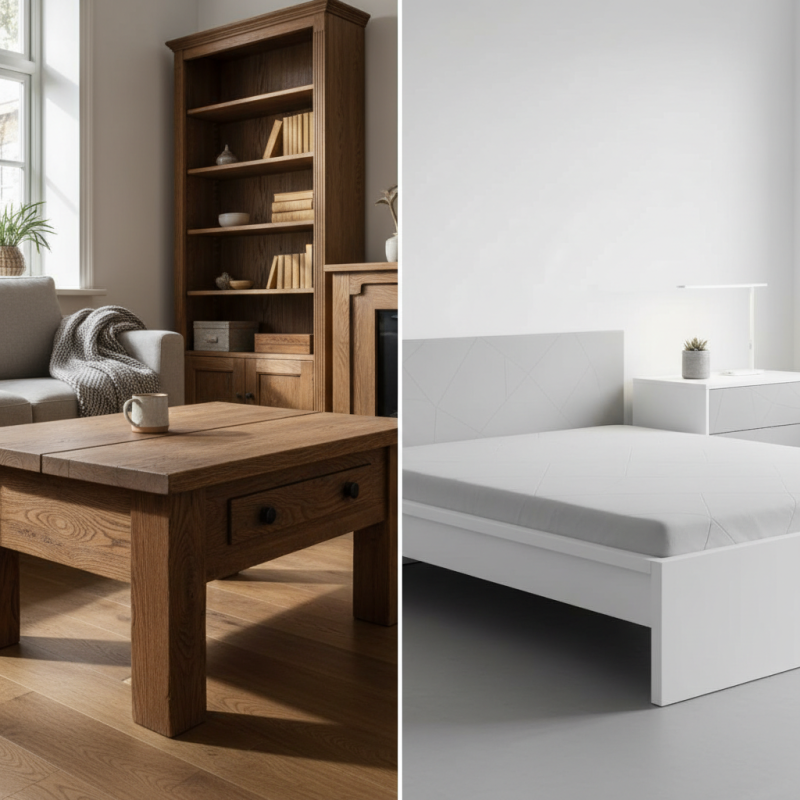
Difference in Material Composition: Solid Wood vs. Panel Furniture
When examining furniture, the material composition plays a crucial role. Solid wood furniture is crafted from entire logs, offering durability and natural beauty. According to the American Hardwood Information Center, solid wood typically boasts a lifespan of 20 years or more with proper care. Its unique grain patterns and ability to age gracefully set it apart. However, fluctuations in humidity can cause solid wood to expand or contract, leading to potential warping or cracking over time.
On the other hand, panel furniture uses engineered wood products like plywood or particleboard. These materials offer stability and can be more resistant to environmental changes. The Furniture Industry Association reports that around 80% of furniture produced globally falls into the panel category. This type is often more affordable but may lack the character of solid wood. It’s also less likely to support heavy loads, which can be a concern for some buyers. Understanding these differences can guide consumers in making informed choices that fit their needs.
Durability and Longevity: How Each Type Stands the Test of Time
When comparing solid wood and panel furniture,
durability is a key factor. Solid wood is known for its
strength and resilience. It can withstand heavy use and resist wear and tear over time. A well-crafted solid wood
piece can last for generations, making it a worthy investment.
On the other hand, panel furniture, often made from particleboard or MDF,
may not have the same longevity. While it can be more affordable, it's also more susceptible to damage. Water and
heat can warp these materials, leading to a shorter lifespan. It's crucial to consider how often you use your furniture.
If it’s in a busy area, solid wood may be the better option.
Tips: If you choose panel furniture, look for products with quality finishes for
added protection. Regular cleaning and maintenance can also help. Don’t underestimate solid wood’s weight; it can
sometimes be cumbersome to move but is worth the effort for its durability. When purchasing, always check the
construction details. Joinery techniques often indicate how well a piece will hold up over time.
Aesthetic Appeal: Style Options in Solid Wood and Panel Furniture
When choosing between solid wood and panel furniture, aesthetic appeal plays a vital role. Solid wood offers unique grain patterns and rich textures, enhancing the natural beauty of any room. The warmth of solid wood creates a timeless elegance that can elevate interior design. In contrast, panel furniture boasts versatility in styles. It can mimic the look of wood while being more affordable and easier to maintain.
A study by the American Home Furnishings Alliance indicates that over 70% of consumers prefer the look of solid wood in living spaces. However, the sleek designs of panel furniture are increasingly popular, especially among younger demographics. These options often come in bold colors and modern shapes that attract those looking to make a design statement.
Tips: Consider mixing both types in your space. A solid wood dining table paired with panel chairs can offer a balanced aesthetic. Always check the durability ratings; solid wood often lasts longer and withstands wear and tear better than panel options. Reflect on your own needs and lifestyle. Choosing based solely on trends may lead to regret later. Aim for a blend of personal style and practical functionality.
What is the Difference Between Solid Wood and Panel Furniture?
This chart illustrates the differences between Solid Wood and Panel Furniture based on various factors such as aesthetic appeal, durability, cost, maintenance, and eco-friendliness. Solid wood furniture generally scores higher in aesthetic appeal and durability, while panel furniture tends to be more cost-effective.
Cost Considerations: Pricing Variations Between Solid Wood and Panel
When comparing solid wood and panel furniture, cost variations play a crucial role.
Solid wood furniture tends to be more expensive due to the raw materials used.
A dining table made from oak can range from $800 to $2,500, depending on design and craftsmanship.
The aesthetic appeal and durability often justify this investment. Solid wood is known for its longevity.
It can be refinished, which extends its life.
On the other hand, panel furniture offers a budget-friendly alternative.
Made from composite materials, it is easier to produce. Prices for panel furniture, like a standard bookshelf,
can start as low as $150. However, it may lack the timeless charm of solid wood.
Over time, panel furniture can show signs of wear and tear. It might not withstand heavy use as effectively.
Choosing between these options requires careful thought. Cost is vital, but also consider your lifestyle and preferences.
Will you appreciate the character of solid wood? Or do you need functional, cost-efficient pieces?
Understand your needs to make the best choice.
Environmental Impact: Sustainability Factors in Furniture Manufacturing
The environmental impact of furniture manufacturing is significant. Solid wood furniture is often seen as a more sustainable option. It uses natural materials and can last for generations. Clear-cutting forests can harm ecosystems, though. Responsible sourcing is essential to minimize this effect.
Panel furniture often incorporates composite materials. These can be made from recycled goods, reducing waste. However, not all panels are eco-friendly. Some contain harmful chemicals. It’s crucial to research the materials before buying. Understanding sustainability is key for consumers.
Choosing furniture is not just about aesthetics. It’s a chance to reflect on personal values. The impact on the planet deserves attention. Quality and durability often outweigh the cost. Consumers should consider long-term effects over short-term gains.
FAQS
: Solid wood features unique grain patterns and textures, while panel furniture offers versatile styles and bold colors.
Over 70% of consumers choose solid wood for its natural beauty and timeless elegance in home design.
Solid wood is generally more expensive, ranging from $800 to $2,500 for items like oak tables due to durability.
Yes, panel furniture can start at around $150, making it a more budget-friendly choice than solid wood.
Solid wood is often seen as more sustainable, but sourcing practices must be responsible to minimize ecological harm.
Consider your lifestyle and needs, such as durability versus aesthetics. Choices based on trends alone may lead to regret.
Yes, solid wood can be refinished, extending its lifespan and maintaining its appeal over time.
No, not all panel furniture is made from eco-friendly materials. Research is needed to understand what you're buying.
Panel furniture may show signs of wear more quickly and might not withstand heavy use as solid wood does.
Consumers should consider the environmental impact and durability of furniture, prioritizing long-term benefits over immediate costs.
Conclusion
When exploring what is the difference between solid wood and panel furniture, the key factors to consider include material composition, durability, aesthetic appeal, cost, and environmental impact. Solid wood furniture is made from single pieces of wood, offering exceptional durability and a classic aesthetic. In contrast, panel furniture typically consists of engineered materials like MDF or particleboard, which can provide cost savings but may not match the longevity of solid wood.
Durability is significant, as solid wood can withstand wear over time, while panel furniture may be more susceptible to damage and wear. Aesthetic options vary too; solid wood often features unique grain patterns and can be refinished, whereas panel furniture allows for a range of surface finishes at a lower price point. Additionally, considerations around sustainability and the environmental impact of sourcing materials differentiate these two types of furniture, with solid wood often regarded as a more environmentally friendly option if sourced responsibly. Overall, understanding these differences can help consumers make informed choices based on their priorities and preferences.

 Ibrixa Home