China furniture design can transform a home through proportion, texture, craftsmanship, and quiet visual balance. The process begins with observing the room carefully. Measure the walls, window positions, walking paths, and natural light before choosing any piece. A dark elmwood cabinet may appear elegant near a bright window, while a heavy table can overwhelm a narrow dining area. These practical details explain how to improve home aesthetics with furniture design, rather than relying on decoration alone.
Traditional Chinese furniture often values clean lines, functional structure, and restrained ornament. Ming-style chairs, low cabinets, folding screens, and carved stools can create character without filling every corner. Look for credible makers who explain the wood species, joinery, finishing process, and cultural references. Museum collections and documented artisan workshops can also provide useful guidance. Materials should feel authentic, but comfort and safety still matter. A beautiful chair is unsuccessful if its seat height feels awkward.
I once focused too much on visual harmony and ignored daily storage needs. The room looked polished, yet it became inconvenient within weeks. That mistake reveals an important lesson: aesthetics must support real habits. Combine one expressive Chinese piece with simpler modern furnishings. Leave breathing space around it. Small imperfections may even add warmth, especially when handmade surfaces show varied grain or subtle tool marks. Still, not every aged finish is valuable. Check its condition, origin, and maintenance needs before purchasing. Thoughtful choices create a home that feels considered, livable, and culturally respectful.
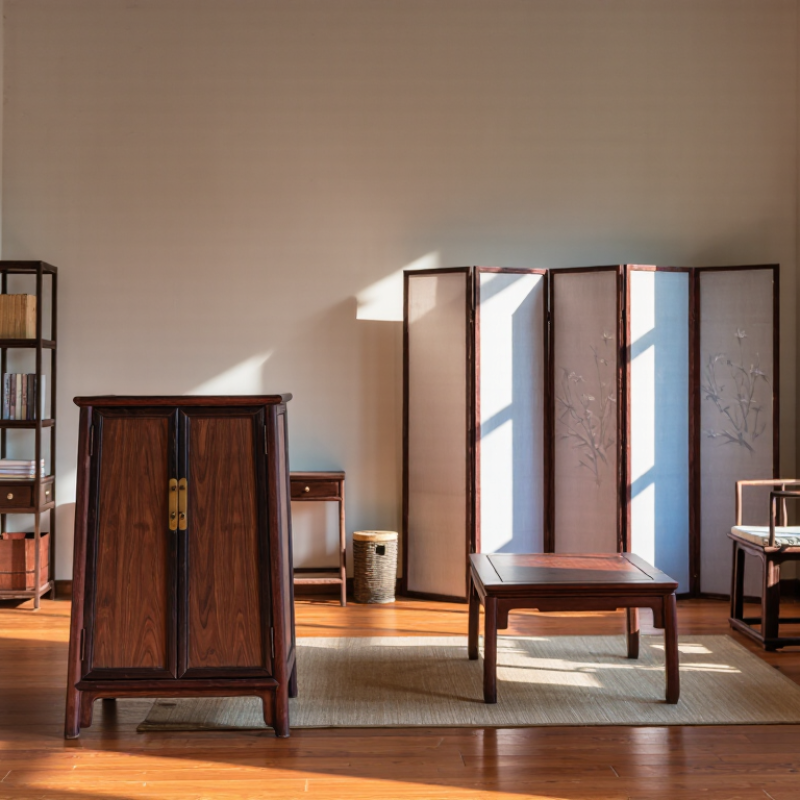
Chinese furniture design improves home aesthetics through balance, proportion, and purposeful simplicity. Traditional pieces often use clear lines, visible wood grain, and carefully measured joints. Their beauty comes from restraint, not excessive decoration. A low table can create openness, while a tall cabinet adds vertical rhythm. Negative space matters too. Empty areas let the room breathe.
In my experience, the best results come from respecting the furniture’s original character. Place one wooden chair beside a plain wall, or pair a dark cabinet with soft linen and warm lighting. Natural materials, calm colors, and symmetrical placement can create visual harmony. However, perfect symmetry may feel cold. I once arranged every object evenly, and the room looked formal rather than welcoming. A slightly shifted lamp made it feel more lived-in.
Tips: Measure the room before buying large pieces. Leave walking space around tables and cabinets. Choose two or three related colors, such as walnut brown, cream, and muted green. Check the wood finish under daylight. A beautiful surface may look too dark at night. Mix old-looking forms with modern fabrics, but avoid filling every corner. The design should support daily habits, including storage, movement, and comfortable seating. When selecting a piece, inspect its construction and stability instead of judging appearance alone. Subtle irregularities can add character, though poor workmanship should not be romanticized.
Balanced proportions, restrained decoration, and generous negative space are central to Chinese furniture aesthetics. The chart shows common residential dimensions that can help create a calm and visually balanced interior.
Typical residential dimensions are shown in centimeters. Adapt them to room size, circulation needs, and user comfort.
Begin with the room, not the furniture. Measure walls, door swings, window positions, and walking paths. A narrow living room may suit a slim wooden console, a rounded tea table, and a lightweight screen. Leave visual breathing space. Crowded rooms weaken even excellent craftsmanship.
The 2024 National Association of Home Builders report identifies laundry rooms, patios, and walk-in pantries as highly desired home features. This finding supports a practical approach: furniture must serve daily routines. A storage bench can hide shoes near the entrance. A modular cabinet can separate dining and work areas without blocking light. China furniture design often uses timber, balanced proportions, and restrained decoration. These details can complement modern interiors, but imitation may look forced. I would test one element first.
Create a simple floor plan before shopping. Keep at least 75 centimetres for main walkways. Check furniture height against nearby windows. Select finishes that match existing flooring. The U.S. Environmental Protection Agency notes that indoor pollutant levels can be two to five times higher than outdoor levels. Choose low-emission finishes, ventilate new pieces, and question strong chemical smells. Sustainability is not always visually perfect. That is acceptable. A small irregularity can feel more honest than an overdesigned room.
Improving home aesthetics with Chinese furniture design begins with choosing honest, suitable materials. Elm brings visible grain and a warm, slightly uneven surface. Bamboo adds lightness, especially in compact rooms. Lacquered wood creates depth through controlled gloss, but it can show fingerprints easily. Check moisture resistance before placing furniture near kitchens or windows. It matters.
Form influences how a room feels. A low wooden table can make a ceiling appear higher and encourage relaxed seating. Curved chair backs soften rooms filled with straight architectural lines. Cabinets with balanced proportions offer storage without looking heavy. I prefer furniture with clear structure rather than excessive ornament. However, a strict approach can feel cold. This is where personal judgment matters.
Decorative details should support the material and form. Hand-cut lattice panels can filter light and create changing shadows across a wall. Bronze-toned handles add a quiet focal point when their scale matches the cabinet. Simple cloud, floral, or geometric motifs can connect separate pieces without making the room theatrical. Leave some surfaces undecorated. Empty space gives detail room to breathe.
I once chose a beautiful dark cabinet that overwhelmed a narrow hallway. The mistake was not the cabinet itself, but its placement. Measure walking paths, door swings, and natural light before purchasing. Finishes may also age differently than expected, so request material samples and inspect them during daytime. A thoughtful room can still contain small imperfections; they often make the design feel lived in rather than staged.
How to Improve Home Aesthetics with China Furniture Design?
Chinese furniture works best when balance guides the room. Place a solid Ming-style cabinet against a calm wall. Keep lighter chairs or a low tea table nearby. This contrast creates visual rhythm without making the space feel crowded. Allow about 90 centimeters for main walking routes. This distance supports comfortable movement and clear sightlines. A screen can separate zones, but avoid blocking natural light. Natural materials also add warmth, especially near pale walls and woven textiles.
The 2024 Houzz & Home Study reported a median U.S. renovation spend of 24,000 dollars in 2023. Thoughtful furniture placement can prevent expensive structural changes later. Measure each piece before moving it. Note its height, leg shape, and visual weight. One tall cabinet beside several low objects may feel unsteady. I still misjudge scale sometimes. A room can look beautiful online, yet feel awkward in daily use. Sit in each chair and test the walking path before deciding.
Tips: Start with one focal piece. Leave breathing space around it. Pair dark wood with softer colors. Use odd groupings, but keep one shared material. Check comfort at night, not only in daylight. If the arrangement feels too perfect, remove one object. Slight irregularity can make the room feel lived-in, although balance may need another adjustment.
| Room Area | Chinese Furniture Piece | Typical Dimensions | Recommended Placement | Comfort and Function | Visual Harmony Benefit |
|---|---|---|---|---|---|
| Living Room | Low wooden console table | 120–180 cm W × 35–45 cm D × 70–85 cm H | Against a wall behind a sofa or below artwork | Provides storage and a stable surface without blocking circulation | Creates a calm horizontal line and visually anchors the room |
| Living Room | Pair of wooden armchairs | 65–75 cm W × 70–85 cm D × 75–95 cm H | Position symmetrically around a coffee table or facing a sofa | Supports conversation while preserving an open central pathway | Introduces bilateral symmetry and balanced visual weight |
| Living Room | Rectangular tea table | 100–140 cm W × 50–70 cm D × 35–45 cm H | Centered within the seating group | Leaves approximately 40–45 cm between the table and seating for comfortable reach | Defines the seating zone without visually closing the room |
| Dining Room | Round dining table | 120–150 cm diameter × 72–76 cm H | Centered beneath a pendant light with clear access on all sides | Typically accommodates four to six diners, depending on chair width | The circular form softens angular architecture and encourages social interaction |
| Dining Room | Straight-back dining chairs | 45–52 cm W × 48–55 cm D × 85–100 cm H | Arrange evenly around the table, leaving space for chair movement | A seat height of approximately 45–48 cm suits a standard 72–76 cm dining table | Repeating chair silhouettes creates rhythm and order |
| Entryway | Narrow cabinet | 80–120 cm W × 30–40 cm D × 75–95 cm H | Along a side wall, outside the main door-swing area | Stores shoes, keys, and accessories while maintaining a clear passage | Adds practical storage without overwhelming a narrow entrance |
| Bedroom | Low bedside cabinet | 40–55 cm W × 35–45 cm D × 45–60 cm H | Place one on each side of the bed when space permits | Keeps lighting, books, and personal items within easy reach | Creates a balanced frame around the bed and reinforces symmetry |
| Bedroom | Wooden bench | 100–140 cm W × 35–45 cm D × 42–48 cm H | At the foot of the bed, with adequate walking clearance | Offers seating for dressing without adding the bulk of an armchair | Balances the bed’s horizontal mass and adds a refined focal point |
| Study or Reading Corner | Writing desk | 100–140 cm W × 50–70 cm D × 72–76 cm H | Place near natural light while avoiding glare on the work surface | Provides a standard working height for writing and computer use | Its restrained profile supports focus and keeps the room visually uncluttered |
| All Areas | Open shelving or display stand | 60–90 cm W × 30–40 cm D × 120–180 cm H | Use against a blank wall and keep display objects selectively arranged | Provides accessible storage while allowing light and sightlines to pass through | Adds vertical interest and supports a layered composition without visual heaviness |
Dimensions are practical planning ranges; actual proportions should be adjusted to room size, circulation routes, ceiling height, and user requirements.
How to Improve Home Aesthetics with China Furniture Design?
Chinese furniture design becomes more convincing when color and accessories work as one visual system. Start with one dominant tone, such as walnut brown, muted jade, or warm ivory. Then add one supporting color through cushions, ceramics, or artwork. The 2024 Houzz & Home Study reports that 54% of surveyed homeowners completed renovation projects in the previous year, showing strong demand for more considered home environments. However, expensive furniture alone cannot create balance.
In a living room, pair a dark wooden console with pale walls and woven accessories. A blue porcelain bowl can repeat the color of a small cushion without making the room feel themed. Keep metallic details limited. Two brass accents may feel intentional; six can become distracting. The 2024 1stDibs Interior Design Trends Survey identified growing interest in natural materials and warmer palettes among design professionals. These findings support using wood, linen, stone, and handmade ceramics around Chinese furniture.
Leave some empty space. It matters.
From practical styling experience, accessories often look better in uneven groupings of three or five. Vary their heights, but keep their colors related. A mistake is matching every object too closely; the room may lose character. Another weakness is ignoring lighting. Warm, indirect lamps reveal wood grain and soften strong contrast. I would test fabric swatches and accessory placement for several days before making a final decision. Some combinations appear elegant in daylight but feel heavy at night.
It uses balance, clear lines, visible wood grain, and restrained decoration. Empty areas help the room breathe. Less can feel better.
Measure walls, windows, door swings, and walking paths. Keep at least 75 centimetres for main walkways. Check the furniture height near windows.
Choose a slim console, a rounded tea table, or a lightweight screen. A low table creates openness. A bulky cabinet may overwhelm the room.
Use symmetrical placement with natural materials and calm colors. Try walnut brown, cream, and muted green. Shift one lamp slightly if the room feels stiff.
Pair old-looking forms with linen, soft lighting, and simple flooring. Test one traditional element first. Too many matching pieces may look forced.
Elm offers visible grain and a warm, uneven surface. Bamboo feels light in compact rooms. Glossy finishes show fingerprints easily. Check moisture resistance near windows.
Use lattice panels, quiet metal-toned handles, or small geometric motifs. Match decoration with the furniture’s scale. Leave some surfaces undecorated.
Inspect stability and construction, not appearance alone. Choose low-emission finishes and ventilate new pieces. Strong chemical smells deserve caution. Sustainability is not always visually perfect.
Placing a dark cabinet in a narrow hallway can block movement and light. I once made this mistake. The cabinet was fine; its location was wrong.
Small irregularities can add character and make a room feel lived-in. Poor workmanship should not be romanticized. That distinction matters.
Improving home aesthetics with Chinese furniture design begins with understanding its core principles: balance, proportion, natural materials, craftsmanship, and understated elegance. To discover how to improve home aesthetics with furniture design, first assess your home’s available space, existing style, lighting, and practical needs. Select pieces that suit the room’s scale and purpose, such as solid wood furniture for warmth, clean-lined forms for a modern setting, or refined decorative details for a more traditional atmosphere.
Thoughtful arrangement is equally important. Position furniture to support comfortable movement, create visual balance, and maintain a sense of openness. Coordinate the interior with harmonious colors, including natural wood tones, soft neutrals, and carefully chosen accent shades. Accessories such as ceramics, textiles, screens, artwork, and plants can reinforce the theme without creating clutter. By combining functional planning with authentic forms and restrained decoration, Chinese furniture design can make a home feel more comfortable, distinctive, and visually cohesive.

Ibrixa Home