When considering furniture, durability is a crucial aspect to evaluate. The question that arises is: what factors affect furniture durability? According to the American Society for Testing and Materials (ASTM), the lifespan of furniture can vary greatly based on materials, manufacturing methods, and usage conditions. For instance, solid wood generally outlasts particleboard, making it a preferable choice for long-lasting pieces.
Research shows that nearly 30% of consumers report dissatisfaction with furniture durability after short-term use. This highlights an often-overlooked issue among consumers. Factors such as moisture levels, frequency of use, and even the environment can significantly impact how well furniture withstands the test of time.
Additionally, craftsmanship plays a vital role in durability. Handmade furniture may have unique longevity attributes due to careful construction techniques. However, mass-produced items may lack the same attention to detail, leading to quicker degradation. It’s essential for consumers to understand these factors to make informed decisions that reflect both quality and longevity.
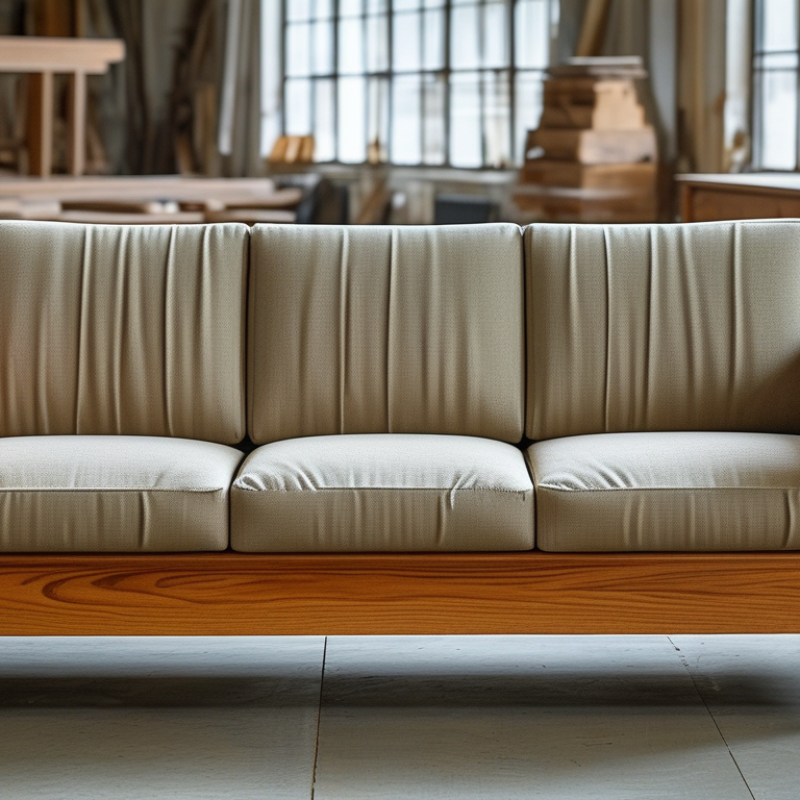
When considering furniture durability, quality materials are key. Solid wood is often regarded as superior due to its strength and resilience. It can withstand daily use and changes in humidity. Plywood, while sometimes less durable, can also provide good stability if constructed properly.
Metal components can enhance furniture lifespan as well. They resist wear and tear better than many other materials. However, not all metals are created equal. Corrosion is a concern for cheaper options. Care must be taken when choosing metal furniture, especially in humid environments.
Moreover, fabric choice is crucial. High-quality upholstery can resist fading and fraying. Natural fibers often outperform synthetic ones in durability. Yet, proper maintenance is essential. Stains and spills, if not addressed promptly, can lead to irreversible damage. Each factor plays a role in determining overall furniture longevity.
| Factor | Description | Impact on Durability |
|---|---|---|
| Material Type | The kind of material (wood, metal, plastic) used affects the longevity. | High-quality materials enhance overall durability. |
| Construction Quality | The techniques used in assembling the furniture. | Well-constructed furniture lasts significantly longer. |
| Finish & Coatings | Protective layers applied to surfaces to resist wear and tear. | Proper finishes prevent damage from moisture and scratches. |
| Maintenance | Regular care, like cleaning and polishing. | Consistent maintenance increases lifespan and durability. |
| Environmental Factors | Humidity, temperature, and sunlight exposure. | Extreme conditions can weaken materials over time. |
: Construction techniques, materials, and finishes play key roles. Solid wood frames and rigid joints enhance longevity.
Look for quality joints like mortise-and-tenon. Check wood thickness; thicker pieces suggest sturdiness.
High-quality finishes protect against scratches. Natural oils and varnishes can offer better protection over time.
Regular cleaning is vital. Use a soft cloth to wipe surfaces, and dampen it slightly for deeper cleaning.
Yes, avoid direct sunlight and extreme humidity to prevent fading and warping. Use coasters to protect surfaces.
Periodic inspections help catch loose parts or wear early. Small interventions can save you from costly repairs later.
While initial costs may be high, durable furniture lasts longer, making the annual cost more reasonable over time.
Durable furniture often allows for repairs. Cheaper options may not, making them potentially more expensive in the long run.
Regular care extends furniture life. Reflect on your maintenance routine; gaps might lead to preventable damage and costs.
It shows a commitment to quality and sustainability. Investing wisely benefits both your budget and the environment.
When considering what factors affect furniture durability, various elements come into play. First, the quality of materials significantly influences the longevity of furniture. High-grade woods, metals, and fabrics provide a stronger foundation, while poor-quality materials can lead to quick deterioration. Additionally, the construction techniques employed, such as joinery and reinforcement, have a crucial role in how well the furniture withstands daily use and environmental conditions.
Furthermore, environmental factors, including humidity and temperature fluctuations, can impact the lifespan of furniture. Proper maintenance practices, such as regular cleaning and conditioning, also enhance durability by preventing wear and tear. Finally, the economics of durable furniture necessitate a consideration of cost versus longevity, as investing in quality pieces may offer greater savings over time compared to cheaper alternatives. Overall, understanding these factors is essential for selecting furniture that not only meets aesthetic needs but also stands the test of time.

 Ibrixa Home