In today's fast-paced world, maximizing space is essential for businesses and homes alike. According to a recent report by IBISWorld, effective space utilization can lead to a 20% increase in productivity. This statistic highlights the importance of understanding how to improve space utilization with furniture solutions. Innovative furniture designs, such as multi-functional pieces, have emerged as vital tools in this endeavor.
One study by the American Institute of Architects found that well-designed spaces enhance employee satisfaction and collaboration. Yet, many organizations still overlook furniture's role in space effectiveness. For instance, traditional cubicles may consume more space than necessary. This gap illustrates a need for reevaluation and better strategic planning in furniture choices.
Consider the case of a local cafe that transformed its layout with modular furniture. By opting for movable tables, they increased seating without sacrificing comfort. This real-world example underscores the potential benefits that come with thoughtful furniture solutions. As businesses seek to navigate space challenges, they must critically assess their approach to furniture design and functionality.
Identifying Challenges in Space Utilization with Existing Furniture
When evaluating space utilization, existing furniture often poses substantial challenges. Common issues include oversized desks that disrupt workflow and excessive shelving that closes off areas. A cluttered workspace can hinder productivity. For instance, bulky chairs may block pathways, creating barriers rather than enhancing movement. These obstacles limit creativity and effective collaboration among team members.
In many cases, furniture is not designed with flexibility in mind. Static arrangements can lead to misused areas. A lack of multipurpose furniture compounds these issues. Many offices overlook the need for adjustable tables or modular seating. These can provide better options and encourage activity. An open space might not feel inviting if furniture poorly aligns with workers’ interactions.
Reassessing furniture choices is essential. Outdated pieces can waste valuable space, highlighting a need for better planning. Ergonomic considerations are often neglected. Furniture should support health and productivity over aesthetics. Identifying what's not working is the first step. Thoughtful changes will create a more functional environment, leading to improved space utilization.
Evaluating Multi-Functional Furniture for Maximum Space Efficiency
Multi-functional furniture is a game changer for maximizing space efficiency. These versatile pieces can be adapted for different uses, transforming the way we interact with our environment. Consider a sofa that converts into a bed. It provides seating for guests during the day and a comfortable sleeping area at night. This dual functionality is ideal for small apartments where every square foot counts.
Another great option is a dining table that doubles as a workspace. By day, it serves meals; by night, it becomes a productive office. This arrangement allows for efficient use of space, but it also requires careful planning. Users must be mindful of how they store extra items. Clutter can undermine the benefits of multi-functional furniture.
When choosing these pieces, think about materials and design. Durability is important for long-term efficiency. However, aesthetics should not be overlooked. An uncomfortable or unattractive piece can lead to underutilization. Finding the balance between form and function is crucial. Sometimes, a design may look appealing but fail in practical usage. Reflect on your own needs and preferences before making a decision.
Incorporating Modular Furniture for Flexible Space Configurations
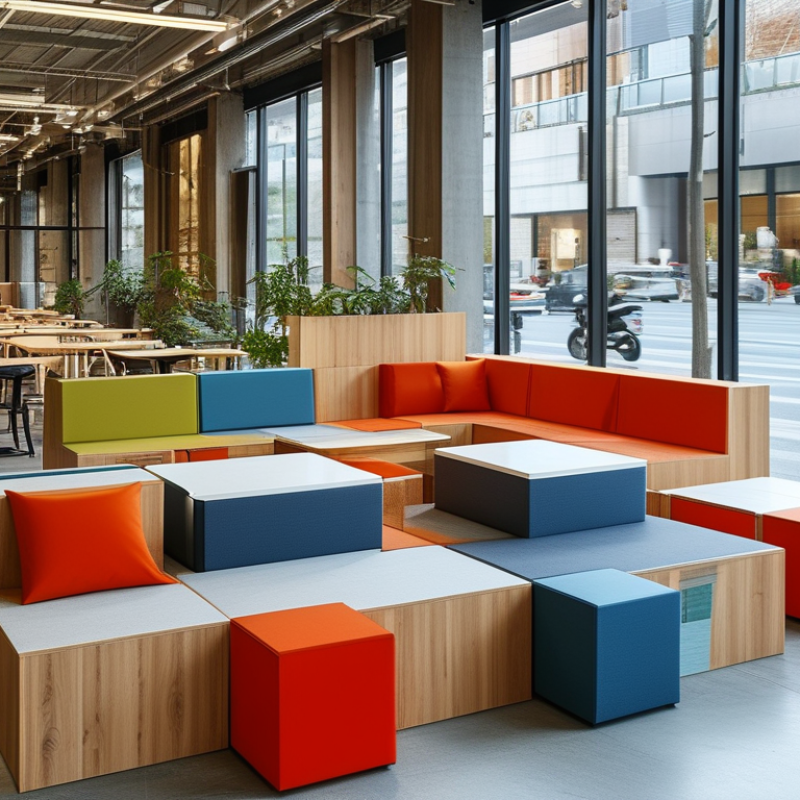
In today's dynamic work environments, flexibility in space utilization is crucial. Modular furniture has emerged as a solution to optimize area while accommodating various activities. According to a recent study by the International Furnishings and Design Association, 90% of businesses report increased productivity through flexible furniture arrangements. Modular pieces, such as moveable desks and transformable seating, allow spaces to adapt to multiple purposes throughout the day.
Imagine a workspace that shifts from collaborative meetings to quiet workstations with just a few adjustments. Modular systems can support this versatility. Research indicates that open office setups, when combined with modular furniture, can improve communication and creativity by up to 15%. However, organizations must be mindful of how these arrangements affect privacy and focus. Overly open designs can sometimes lead to distractions, highlighting the need for balance.
The choice of materials and designs also plays a key role in effectiveness. For instance, lightweight furniture not only facilitates ease of movement but can also enhance overall aesthetics. However, many companies overlook ergonomic considerations, which are essential for employee well-being. Inadequate seating can lead to discomfort and reduced productivity. As businesses explore modular options, it's vital to focus not just on aesthetics, but also on creating an environment that truly supports the workforce.
Strategies for Customizing Furniture Solutions to Fit Unique Spaces
Maximizing space efficiency requires tailored furniture solutions that reflect the uniqueness of each environment. Understanding the dimensions and layout is crucial. Many spaces have irregular shapes, making standard furniture inadequate. Custom options, like modular pieces, adapt to these quirks, fitting snugly while still offering functionality.
Consider multi-functional designs. A coffee table that converts into a workspace can save room in small living areas. These adaptable pieces allow more flexibility in how space is used throughout the day. Crafting a specific furniture solution might seem challenging, but it often reveals overlooked possibilities. Think about how a bench could double as storage in your entryway.
Looking for personal touches? Custom fabrics and colors can create a coherent design scheme. This branding not only enhances aesthetics but also reflects individual style. However, there’s the ongoing challenge of maintaining quality while customizing. Balancing personal preference with practicality requires continuous adjustment. Thoughtful choices will lead to richer, more livable spaces.
Leveraging Vertical Space with Innovative Furniture Designs
Innovative furniture designs are key to leveraging vertical space and improving space utilization. When dealing with small areas, think about height. Tall bookshelves or wall-mounted units can significantly increase usable storage. They help you keep your floor space open and create an airy feel.
Consider multipurpose furniture. An ottoman that doubles as a storage unit can reduce clutter directly. Vertical garden shelves show that aesthetics and functionality can coexist beautifully. Using hooks on walls can help hang items, freeing up precious square footage.
Remember, overloading your walls with items can lead to a chaotic look. Aim for balance. Leave some space empty to avoid overwhelming the eye. Regularly evaluate what you display. Not every item may need to be on view. Striking that balance ensures both practicality and visual appeal.
How to Improve Space Utilization with Furniture Solutions?
FAQS
: Tailored furniture solutions are essential. Understand your dimensions and layout first.
Consider custom options like modular pieces that adapt to irregular shapes.
A coffee table that converts into a workspace is one option. Look for adaptability.
It can be challenging, but often reveals new possibilities for your space.
Using custom fabrics and colors enhances your design scheme and reflects your style.
Use tall bookshelves or wall-mounted units to increase storage without crowding the floor.
Avoid overloading your walls. Leave some space empty to maintain visual appeal.
Consider multipurpose furniture, like an ottoman that serves as storage.
Check what items are on display. Not everything needs to be visible.
Balancing personal taste and practicality requires ongoing adjustments and thoughtful choices.
Conclusion
In exploring how to improve space utilization with furniture, it's essential to first identify the challenges posed by existing furniture arrangements. Understanding these limitations allows for a targeted approach to maximizing space efficiency. Evaluating multi-functional furniture can significantly enhance room functionality, enabling users to adapt their spaces for various activities without sacrificing style or comfort.
Incorporating modular furniture takes this a step further, offering flexible configurations that can be easily reorganized as needs change. Customizing furniture solutions to fit unique spaces ensures that every square foot is optimized according to individual requirements. Finally, leveraging vertical space with innovative designs helps to create a more open and airy environment, making the most out of limited floor areas. By focusing on these strategies, one can effectively improve overall space utilization in any setting.

 Ibrixa Home