The furniture manufacturing industry plays a key role in numerous sectors. Many businesses rely heavily on this industry to create effective workspaces and inviting environments. The question often arises: what industries use furniture manufacturing the most? Understanding this can shed light on the interconnectedness of design, comfort, and productivity.
Companies in the hospitality sector, such as hotels and restaurants, greatly benefit from custom furniture. Well-designed furnishings enhance guest experiences and create memorable atmospheres. In the corporate world, office spaces rely on ergonomic furniture to boost employee well-being and efficiency. Therefore, various sectors overlap in their need for quality furniture, highlighting the versatility of the industry.
Moreover, the retail sector sees a direct impact from furniture design. Stores utilize displays and fixtures to present products appealingly. This connection illustrates not only the demand for furniture but also the innovative designs that can set a business apart. However, the dependence on furniture manufacturing can lead to overconsumption and potential waste, urging industries to reflect on sustainable practices.
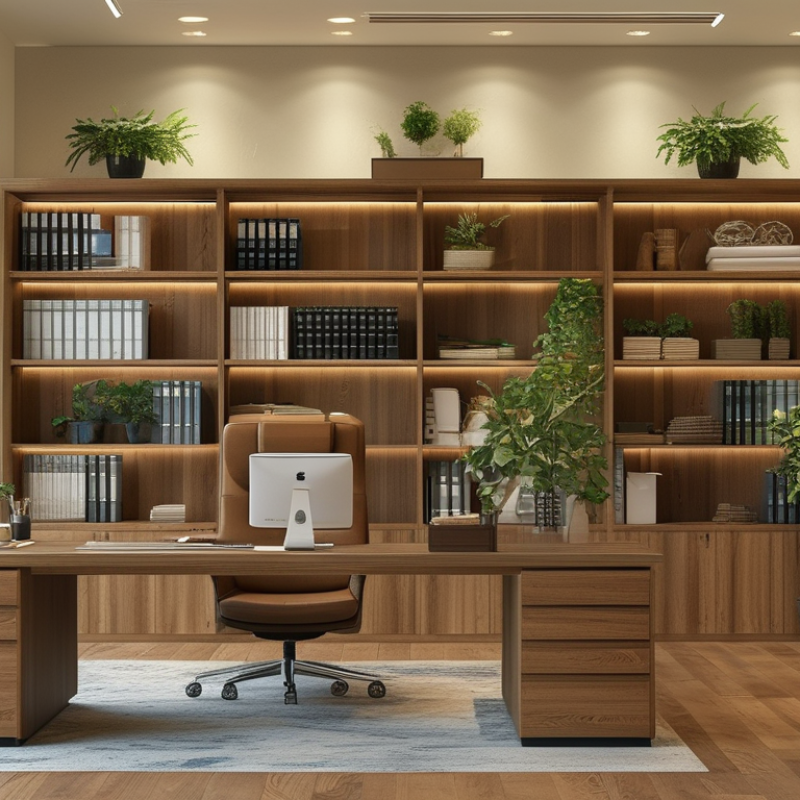
The residential interiors industry greatly benefits from furniture manufacturing. The global furniture market is expected to reach $650 billion by 2025, highlighting its significance. Homeowners increasingly seek stylish, functional pieces that enhance their living spaces. This demand drives innovation and quality in furniture design.
According to a report from the National Association of Home Builders, detailed interior planning can increase home value. Well-designed furniture arrangements and finishes not only improve aesthetics but also optimize space usage. However, not every furniture piece serves its purpose effectively. Poor design can lead to clutter and discomfort, making it essential to choose wisely.
Sustainability is a growing concern in furniture manufacturing. Reports indicate that 90% of consumers consider eco-friendly options important. As the industry evolves, it faces challenges in sourcing sustainable materials. Balancing style and sustainability can be complex. Designers and manufacturers must navigate these dilemmas carefully to meet consumer expectations.
The hospitality sector has seen remarkable revenue growth, significantly influenced by furniture supply. Hotels, restaurants, and resorts increasingly rely on high-quality furniture to enhance guest experiences. Modern furniture designs play a crucial role in setting the ambiance and style, making spaces more inviting. Remember, the right furniture can elevate a guest's stay, impacting repeat business.
Consider this: a well-furnished lobby can attract more guests. Comfortable seating and stylish decor can create a welcoming atmosphere. Statistics show that establishments investing in attractive furniture tend to see higher occupancy rates. However, not all furniture impresses customers equally. Oversized or outdated pieces can detract from a location's appeal.
Implementing smart design tips can make a significant difference. Choose furniture that complements your brand's identity. Focus on durability while ensuring aesthetic value. Additionally, consider versatile furniture that serves multiple purposes. The right approach can minimize costs while maximizing functionality. Investing wisely in furniture ultimately supports sustained growth in the hospitality industry.
| Industry | Revenue Growth (%) | Market Size (USD Million) | Furniture Supply Contribution (%) |
|---|---|---|---|
| Hospitality | 7.5 | 120,000 | 40 |
| Residential | 5.0 | 250,000 | 30 |
| Commercial Office | 4.8 | 85,000 | 25 |
| Healthcare | 6.2 | 45,000 | 20 |
| Education | 3.5 | 30,000 | 15 |
Office furniture manufacturing plays a crucial role in enhancing workplace productivity. The right furniture can significantly affect employee comfort and efficiency. Ergonomically designed desks and chairs promote better posture, reducing discomfort during long work hours. This leads to fewer breaks and increased focus.
Incorporating flexible furniture options is essential. Collaborative spaces, equipped with movable tables and seating, encourage teamwork and creativity. Employees feel more engaged when they can adjust their environment. However, not all companies invest in the latest trends. Some may stick to traditional setups that hamper innovation. Reflecting on furniture choices can reveal much about a company's values.
The impact of office furniture on productivity is clear, yet often overlooked. Companies that prioritize employee well-being through thoughtful furniture design tend to outperform their rivals. However, it’s essential to balance aesthetics with functionality. Choosing furniture that fits well within the available space is a common challenge that deserves attention. Trivializing these aspects may lead to costly mistakes in the long run.
In retail spaces, furniture design plays a crucial role in shaping consumer behavior. Attractive, functional furniture can enhance customer experience and increase sales. A study by the International Council of Shopping Centers indicated that well-designed stores can boost foot traffic by up to 30%. When consumers feel comfortable, they are more likely to spend time and money in a store.
Moreover, the arrangement of furniture significantly affects how customers navigate a space. According to data from the Retail Industry Leaders Association, stores that strategically place seating or chill-out zones see a 20% increase in dwell time. Comfortable environments create positive emotions, which can lead to purchasing decisions. An engaging design can turn a simple visit into a memorable experience.
However, the challenge remains in balancing aesthetics with practicality. Not all designs will resonate with every demographic. For example, excessive clutter can turn shoppers away rather than inviting them in. Retailers must continually assess their furniture choices to ensure they align with consumer preferences. Data from the National Retail Federation suggests that 60% of shoppers prefer an open layout. This reveals a gap that needs attention.
Sustainable practices in furniture manufacturing have become essential. Consumers today prioritize eco-friendly products. This shift directly impacts production methods and material choices. Manufacturers are increasingly using reclaimed wood and non-toxic finishes. These efforts attract environmentally conscious buyers.
Eco-friendly furniture reduces waste and carbon footprints. By maximizing resource efficiency, companies contribute to a healthier planet. However, challenges remain. The cost of sustainable materials can be higher. Some manufacturers struggle to balance quality with affordability. Education around these issues is vital for both producers and consumers.
The eco-friendly market thrives on transparency. Buyers want to know where their furniture comes from. Clear labeling and responsible sourcing can enhance trust. Furniture manufacturers must communicate their sustainability efforts effectively. Collaboration with other industries may also strengthen these green initiatives. While progress is being made, continued attention is needed to ensure lasting impact.
: Proper furniture enhances comfort, promotes good posture, and reduces discomfort, leading to increased focus and fewer breaks.
Flexible furniture, like movable tables and adjustable seating, fosters collaboration and allows employees to customize their workspace.
Some companies stick to traditional setups, which can limit innovation and fail to engage employees effectively.
Attractive and functional designs improve customer experience and can increase sales significantly by making shoppers comfortable.
Strategically placed seating areas can boost dwell time and enhance shopping experiences, encouraging customers to spend more time.
Excessive clutter or poor layout can repel customers, showing the need for continuous assessment of furniture choices.
The article "What Industries Benefit Most from Furniture Manufacturing?" explores the significant impact of furniture production across various sectors. It highlights how the residential interiors industry is enhanced through customized furniture solutions that elevate living spaces. Additionally, the hospitality sector shows remarkable revenue growth as furniture supply directly influences guest experiences, creating more inviting environments. The manufacturing of office furniture is also crucial, as it plays a key role in enhancing corporate productivity by fostering comfortable and efficient workspaces.
Moreover, the article delves into retail trends, illustrating how furniture design can shape consumer behavior and drive sales. With an increasing focus on sustainability, the eco-friendly market benefits from sustainable furniture manufacturing practices, appealing to environmentally conscious consumers. Overall, the piece addresses what industries use furniture manufacturing the most, revealing its indispensable role in transforming various commercial and residential environments.

Ibrixa Home