In recent years, the home furniture design industry has seen rapid evolution. As consumers increasingly focus on sustainability and functionality, new trends emerge. A recent report from the International Furniture Market shows that 75% of consumers prioritize eco-friendly materials in furniture selection. This shift raises the question: what are the latest trends in home furniture design?
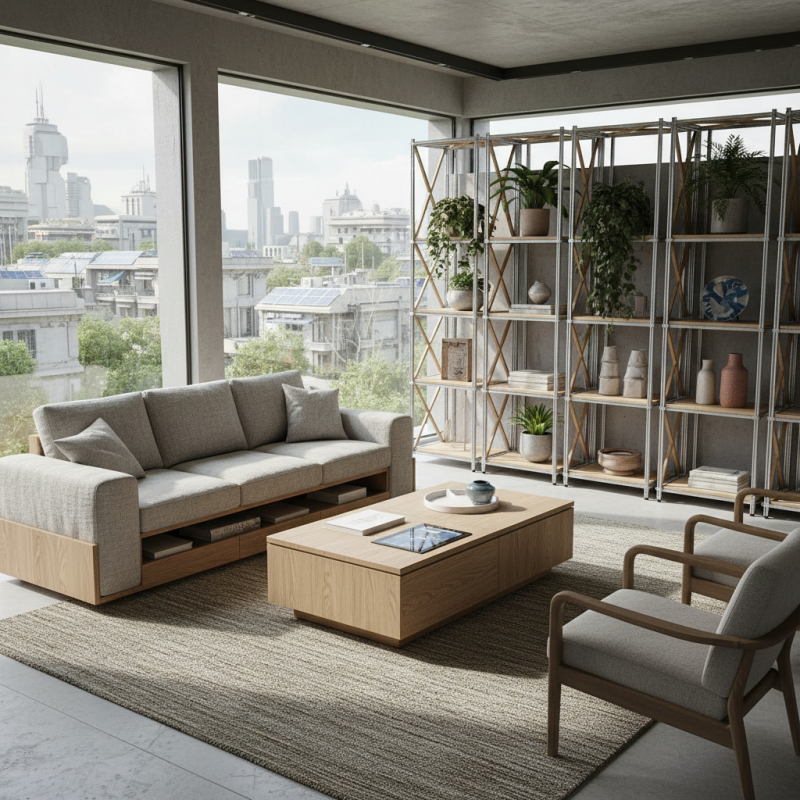
One exciting trend is the rise of multifunctional furniture. Urban living spaces are shrinking, leading to innovative designs that save space without compromising style. For example, coffee tables that transform into workstations or sofas with hidden storage are becoming popular. Additionally, natural materials like bamboo and reclaimed wood are gaining traction. They not only provide aesthetic appeal but also align with growing environmental concerns.
However, some trends may not resonate with everyone. The push for minimalism often leaves out personal expression. While sleek, modern designs attract many, they can sometimes feel cold or impersonal. Consumers must reflect on what truly makes a space feel like home. Overall, the landscape of home furniture design continues to adapt, offering both challenges and exciting possibilities.
Top 10 Home Furniture Design Trends Shaping 2026
The design of home furniture in 2026 is influenced by sustainability, technology, and wellness. Recent industry reports indicate that the sustainable furniture market is projected to grow significantly, driven by consumer preferences for eco-friendly materials. In fact, about 70% of consumers now consider sustainability a crucial factor in their purchasing decisions.
A significant trend is multifunctional furniture. Imagine a sofa that converts to a bed with just a few simple adjustments. This design approach addresses the need for efficient use of space in smaller homes. Additionally, natural materials are making a strong comeback. Wood, bamboo, and organic textiles create a warm atmosphere while reducing environmental impact.
Tip: Consider the layout of your space before purchasing new furniture. Does it enhance the flow of your home?
Another trend is smart furniture, integrating technology for convenience. This includes charging stations built into tables or adaptive lighting systems. However, this fusion of technology may require reflection on how much tech is appropriate in living spaces. The blend of comfort and innovation can be tricky to balance.
Tip: Don't shy away from experimenting with textures and colors. They can redefine the mood of your home.
Overall, the trends in 2026 encourage a thoughtful approach to furniture design, emphasizing functionality, sustainability, and personal well-being.
Sustainable Materials: The Rise of Eco-Friendly Furniture in 2026
The furniture industry is witnessing a significant shift towards sustainability. Eco-friendly materials are becoming essential in home design. According to a recent report by the Global Sustainability Institute, over 70% of consumers prefer furniture made from sustainable sources. This preference is transforming how manufacturers approach their designs.
Natural materials like bamboo, reclaimed wood, and recycled metals are gaining traction. These materials not only reduce environmental impact but also offer unique aesthetics. For example, reclaimed wood adds character and history to modern spaces. However, the challenge lies in sourcing these materials sustainably. Some businesses struggle to balance style and ecological integrity, raising questions about authenticity.
Tips: Choose furniture with certifications like FSC or Cradle to Cradle. These indicators ensure materials are responsibly sourced. Investing in quality pieces means fewer replacements over time. Consider the entire lifecycle of the product, from production to disposal. Making conscious choices supports a circular economy and reduces waste.
Smart Furniture Integration: Technology's Influence on Modern Design
Smart furniture integration is reshaping modern design. As technology advances, the demand for intelligent home solutions rises. According to a recent report from Allied Market Research, the smart furniture market is projected to reach $44 billion by 2026. This signifies a shift towards multifunctional spaces that enhance the quality of life.
Devices like smart desks and adjustable beds are gaining popularity. These pieces not only provide comfort but also maximize workspace efficiency. Users can adjust settings via mobile apps, promoting a seamless experience. However, the integration can be overwhelming for some. Many users find themselves frustrated with device compatibility and setup processes.
Tip: Keep it simple. Choose furniture that fits your lifestyle without excessive tech features. Also, ensure that you understand how devices connect with each other. The goal is to enhance comfort, not add complexity. This balance is vital as we embrace new technologies in our homes. Embracing change can lead to innovative ideas, but it can also provoke uncertainty about user reliability. Reflect on what works best for you.
Multifunctional Spaces: Adapting Furniture for Urban Living Trends
As urban living space shrinks, the need for multifunctional furniture design becomes critical. Modern city dwellers require solutions that maximize limited square footage. Furniture that serves dual purposes is now a norm. For example, a sofa that converts into a bed can save space and keep the living area functional. This adaptability is a response to the evolving dynamics of urban lifestyles.
Incorporating hidden storage is also a significant trend. A coffee table with drawers or an ottoman that opens up adds practicality. These details transform the living space into a more organized environment. However, achieving balance is challenging. It’s easy to overcrowd a room with multifunctional pieces. Striking the right mix of functionality and aesthetics can be more of a puzzle.
Not all pieces will fit perfectly into every space. Some may feel bulky or uninviting. It's vital to reflect on how well each item serves your lifestyle. Evaluating comfort and convenience over mere utility can lead to better choices. Thoughtfully designed furniture should enhance your home, not make it feel cramped.
Biophilic Design: Incorporating Nature into Home Furniture Aesthetics
In recent years, biophilic design has gained traction in home furniture aesthetics. This concept emphasizes the connection between humans and nature. Furniture pieces inspired by natural forms can enhance well-being. A chair that mimics tree branches can evoke a sense of calm. Tables with organic shapes feel more inviting and grounded. Designers incorporate sustainable materials, reinforcing this trend's authenticity.
Color palettes are also shifting towards nature-inspired hues. Shades of green, earthy browns, and soft blues dominate contemporary spaces. This can create a serene atmosphere. However, balancing these elements presents challenges. Not every home suits a fully biophilic approach. Some spaces may feel overwhelming with too many natural elements. It’s crucial to choose pieces that complement the existing environment.
Textures play a vital role in biophilic design. Materials like reclaimed wood, woven fibers, and stone not only add warmth but also foster a tactile connection. Yet, while striving for harmonious designs, it’s easy to fall into over-styling. Simplicity should guide these choices. A few well-placed pieces can achieve a cohesive look without cluttering the space. Engaging with nature through furniture design is rewarding, yet it requires thoughtful consideration.
Minimalism vs. Maximalism: Understanding Consumer Preferences in 2026
The year 2026 is witnessing a dynamic shift in home furniture design, focusing on minimalism and maximalism. Consumers are torn between these two distinct styles. According to a recent report by the International Furniture Design Association, 70% of homeowners express a clear preference for minimalism. Sleek lines and neutral palettes dominate in urban settings. Spaces feel larger and more inviting, appealing to those seeking tranquility.
On the other hand, maximalism is making a bold comeback. Statistics from the Home Design Trends Report indicate that 30% of consumers favor this style. They gravitate towards vibrant colors, mixed patterns, and eclectic decor. This trend celebrates personal expression and individuality. Enthusiasts argue that maximalism creates a sense of warmth and personality, vital in a rapidly changing world.
However, these preferences come with challenges. Minimalist spaces can feel cold or impersonal if not executed with care. Meanwhile, maximalism may overwhelm smaller rooms, leading to visual clutter. Designers are navigating these complexities, striving to balance aesthetics with functionality. As the market evolves, refined tastes will likely emerge, blending elements of both styles for a more harmonious living space.
Top 10 Latest Trends in Home Furniture Design 2026
FAQS
: Eco-friendly materials include bamboo, reclaimed wood, and recycled metals. They help reduce environmental impact.
Over 70% of consumers favor furniture made from sustainable sources. This shift influences manufacturers’ design choices.
Look for certifications like FSC or Cradle to Cradle. These ensure that materials are sourced sustainably.
Sourcing materials can be difficult. Balancing style with ecological integrity raises questions about authenticity.
Multifunctional furniture saves space. A sofa bed or an ottoman with storage maximizes limited square footage.
Reflect on comfort and convenience, not just utility. Overcrowding a room can make it feel less inviting.
Biophilic design connects humans with nature. Furniture inspired by natural forms enhances well-being and invites calmness.
Nature-inspired hues like greens and browns create a serene atmosphere. However, too many elements can overwhelm a space.
Textures like reclaimed wood and stone add warmth. They create a tactile connection with the environment but should be used mindfully.
Choose a few well-placed pieces. Simplicity often leads to a cohesive look without cluttering the space.
Conclusion
As we look towards 2026, understanding what are the latest trends in home furniture design reveals a fascinating shift towards sustainability and technology. Eco-friendly furniture is taking center stage, with sustainable materials becoming a priority for designers and consumers alike. This trend is complemented by the integration of smart furniture, which blends modern technology with everyday living, creating innovative solutions for homes.
Moreover, the rise of multifunctional spaces reflects urban living trends where adaptability is key. Biophilic design is also gaining traction, emphasizing the importance of nature within home aesthetics. Finally, the ongoing debate between minimalism and maximalism provides insight into evolving consumer preferences, showcasing a spectrum of styles that cater to diverse tastes and lifestyles. Overall, these trends highlight a transformative period in home furniture design that balances functionality, aesthetic appeal, and environmental responsibility.

 Ibrixa Home