How to Match Furniture Styles in Your Home for a Cohesive Look?

Time:2026-08-05 Author:Sophia
0%

Creating a harmonious living space often hinges on how to match furniture styles in your home. According to interior design expert Emily Henderson, “Mixing styles can feel risky, but it’s all about finding balance.” This sentiment underscores the importance of thoughtful selection and blending of various furniture styles to achieve a cohesive look.

In practice, this means viewing your space as a canvas. Start by identifying the dominant styles you love. Whether it's mid-century modern, rustic farmhouse, or minimalist chic, each brings unique elements. By understanding these traits, you can curate a collection that reflects your vision while maintaining harmony.

However, achieving this balance is not always straightforward. Many homeowners struggle with mismatched pieces that clash rather than complement each other. It is crucial to pay attention to colors, textures, and shapes. Use accent pieces strategically; they can bridge the gap between different styles. Embrace the challenge of mixing styles and learn the art of composition in your personal space. Your home should tell your story, so take time to reflect on what truly resonates with you.
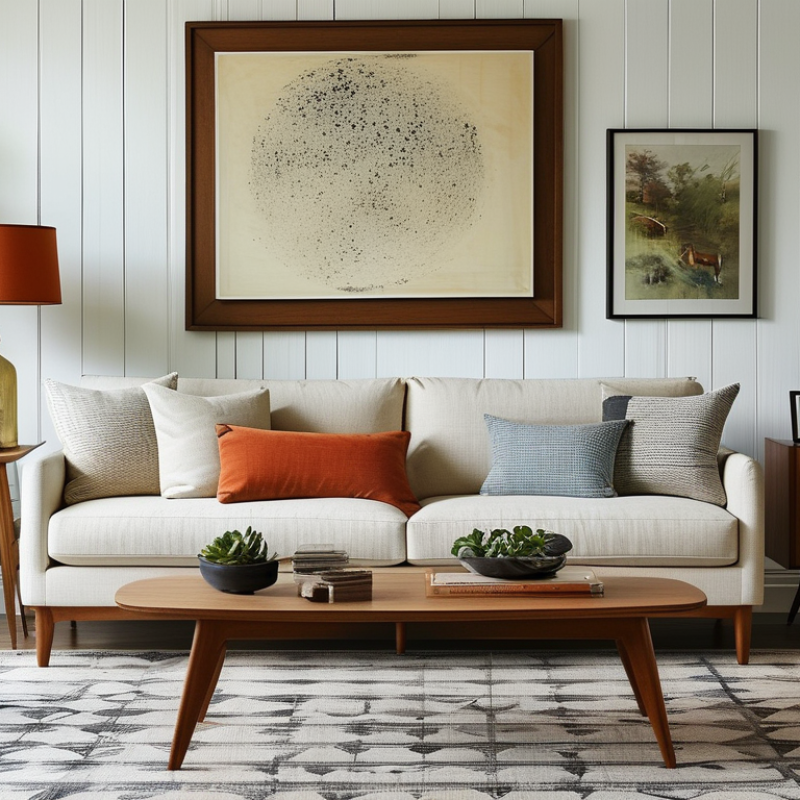
How to Match Furniture Styles in Your Home for a Cohesive Look?

Identifying Your Preferred Furniture Styles for Your Home

When identifying your preferred furniture styles, it's important to consider how they reflect your personality and lifestyle. Recent studies show that 75% of homeowners believe their furniture choices influence their overall happiness. This insight suggests that the right selection can significantly impact your emotional well-being.

Explore various styles such as modern, traditional, or eclectic. Each has its characteristics that cater to different tastes. For example, modern styles often feature clean lines and minimal decor. In contrast, traditional styles may showcase ornate designs or rich woods. Clarity in your preferences can guide your purchasing decisions, leading to a more satisfying home environment.

Don’t hesitate to mix styles, but create a unifying element like color or texture. According to a report by the American Institute of Decor, homes that blend styles effectively often maintain a harmonious feel. This insight encourages a thoughtful approach to selecting pieces that truly resonate with you. Reflect on sentimental items, too, as they can add depth and personality to your space.

Furniture Style Preferences in Home Decor

Understanding the Importance of Cohesion in Interior Design

Cohesion is a vital aspect of interior design. It creates a sense of unity and flow throughout a space. According to a survey by the National Association of Home Builders, over 70% of homeowners prefer cohesive home designs. This statistic underscores the importance of matching furniture styles.

When integrating different furniture styles, attention to color palettes is crucial. For instance, a neutral base can harmonize varying textures and styles. Research from the American Society of Interior Designers shows that 85% of professional designers emphasize cohesive color schemes. Using similar tones can pull together furniture from diverse styles, fostering a cohesive environment.

Reflecting on personal choices is also essential. Many people struggle to blend modern and traditional pieces effectively. Without careful consideration, a room can feel disjointed. Experimenting with accessories can soften these contrasts. For example, adding a contemporary vase to a classic table can create dialogue between styles. Ensuring that furniture serves functional needs while contributing to the overall theme is vital for achieving harmony in interior spaces.

Mixing Different Styles: Tips for a Harmonious Look

Mixing different furniture styles can create a unique and inviting atmosphere in your home. According to a recent report by the Design Industry Research Institute, over 70% of homeowners prefer spaces that incorporate multiple styles. This trend reflects a broader desire for individuality and authenticity in home decor. To achieve a harmonious look, start by selecting a color palette that unites the various pieces. For instance, neutral tones can bridge modern and rustic elements effectively.

Patterns and textures also play a critical role. Mixing a soft velvet sofa with a distressed wooden coffee table can create visual interest. Yet, it’s essential to maintain balance. Too many conflicting styles may lead to chaos rather than cohesion. A study highlighted that 60% of interior designers recommend focal points to guide style mixing. This could be a statement piece of art or a bold lighting fixture.

As you blend different designs, embrace imperfections. Not every piece has to match perfectly. In fact, a mismatched aesthetic can tell a story, adding character to your space. However, be mindful of the overall vibe. Too much contrast may disrupt flow. As you refine your style, consider your home's function. The goal is a cohesive atmosphere that feels both comfortable and stylish.

Choosing a Color Palette to Unite Various Furniture Pieces

Creating a harmonious environment in your home requires a thoughtful approach to color palettes. Research shows that 65% of homeowners prefer a cohesive hue across different furniture styles. A unifying color can elevate a space, making it feel larger and more inviting. When selecting colors, consider both the largest elements, like sofas, and smaller pieces, like side tables.

A neutral palette often serves as a solid foundation. Soft grays, beiges, and whites can seamlessly transition between styles. Layer in vibrant accents through cushions or decor. For instance, pairing a modern chair with vintage decor in similar tones promotes visual connection.

**Tip:** Test paint samples in natural light. Colors change with different lighting conditions.

Avoid overwhelming your space with too many colors. Experts suggest sticking to a maximum of three main colors to maintain balance. This can lead to a curated aesthetic without looking chaotic.

**Tip:** Use color swatches from fabric or paint stores. This can help visualize potential combinations.

Remember, it’s okay to experiment. Not every pairing will work. Reflect on what feels right for you and your space. Adjust gradually for a perfect blend.

How to Match Furniture Styles in Your Home for a Cohesive Look?

Furniture Style Recommended Color Palette Complementary Materials Key Characteristics
Modern White, Gray, Black Glass, Metal Clean lines, Minimal ornamentation
Rustic Earthy tones, Natural wood Wood, Stone Warm, Inviting, Textured finishes
Industrial Grays, Blues, Browns Reclaimed wood, Metal Raw, Utilitarian, Exposed elements
Contemporary Bold Colors, Neutrals Leather, Acrylic Flexible, Evolving design trends
Traditional Rich colors, Deep shades Solid woods, Upholstery Classic design, Detailed craftsmanship

Incorporating Textures and Patterns for Visual Interest

Incorporating textures and patterns can elevate the design of your home. According to the American Society of Interior Designers (ASID), over 70% of homeowners prioritize texture when selecting furnishings. Different textures add depth and intrigue to a space. Soft fabrics, like velvet or wool, can contrast sharply with sleek finishes, such as glass or metal. This contrast creates a tactile experience that invites touch and exploration.

Patterns also play a crucial role. They can punctuate a room with personality and vibrancy. A study by the International Color Authority found that 60% of interior designers leverage bold patterns to foster creativity and comfort. Using a mix of geometric shapes and organic designs can evoke a unique atmosphere. Throw pillows, area rugs, or artwork are excellent ways to introduce these elements. However, a common pitfall is overdoing it. Too many competing patterns can overwhelm the senses and detract from your intended ambiance.

Balance is key. Aim for a harmonious blend that feels curated, not chaotic. Layering textures and patterns requires careful thought and consideration. It may take several iterations to achieve the desired effect. Successful combinations often involve trial and error, reflecting personal taste and lifestyle needs. Embracing imperfections can lead you to unexpected beauty within your space.

FAQS

: How do furniture styles reflect personality?

: Furniture styles can express individual tastes and lifestyles. Choosing the right style may enhance overall happiness.

Can I mix different furniture styles?

Yes, mixing styles is encouraged. Use unifying elements like color for a harmonious look.

What role do textures play in furniture selection?

Textures add depth and visual interest. Combining soft fabrics with sleek finishes creates a tactile experience.

How important are patterns in home decor?

Patterns add personality to a room. A mix of geometric and organic designs can create unique atmospheres.

What should I avoid when mixing styles?

Avoid too many conflicting styles. Balance is essential to prevent chaos in your decor.

How can I maintain balance in my designs?

Use focal points and cohesive elements to guide your style choices, ensuring a smooth flow.

Is it okay if some pieces don’t match perfectly?

Absolutely! Embracing imperfections adds character and tells a story in your space.

What if I struggle to achieve the desired aesthetic?

It's normal to experiment. Finding the right combinations may take time and multiple iterations.

Can sentimental items contribute to my decor?

Yes, sentimental items can add depth and personal touch, making your home feel unique.

How can I ensure my space feels comfortable?

Focus on function and create a cohesive atmosphere that reflects your style while maintaining comfort.

Conclusion

Creating a cohesive look in your home requires an understanding of how to match furniture styles in your home effectively. Start by identifying your preferred furniture styles, as this will serve as a foundation for your design. Recognizing the importance of cohesion allows for a more harmonious environment, where different elements work in unison rather than competing for attention.

Mixing various styles can enhance your space, provided you follow some key tips for achieving a balanced aesthetic. Selecting a complementary color palette is essential to unite different pieces, while incorporating textures and patterns adds visual interest and depth. By thoughtfully blending these elements, you can create a unified and inviting atmosphere that reflects your personal taste.

Sophia

Sophia

Sophia is a dedicated marketing professional with an exceptional depth of knowledge about her company's products and services. With a keen understanding of market trends and customer needs, she crafts insightful blog posts that not only inform but also engage readers, enriching the company’s online......