Selecting furniture for a modern home involves a blend of style and functionality. Understanding what modern home furniture is and how to choose it effectively can significantly enhance your living space. Modern furniture emphasizes clean lines, minimalism, and the use of innovative materials. It’s not just about aesthetics; it’s about comfort and practicality too.
Choosing modern home furniture requires thoughtful consideration. What works in one room may be inappropriate in another. Think about the purpose of each piece. Will it serve a functional need or just serve as decor? Balance is crucial. Overly minimalist spaces can feel cold. However, overcrowding can lead to chaos.
Personal preferences play a role as well. You might prefer sleek designs, while someone else may favor more organic forms. Don’t be afraid to experiment. Create a space that truly reflects your personality. Finding what modern home furniture suits your style can take time and reflection, but it is a rewarding journey.
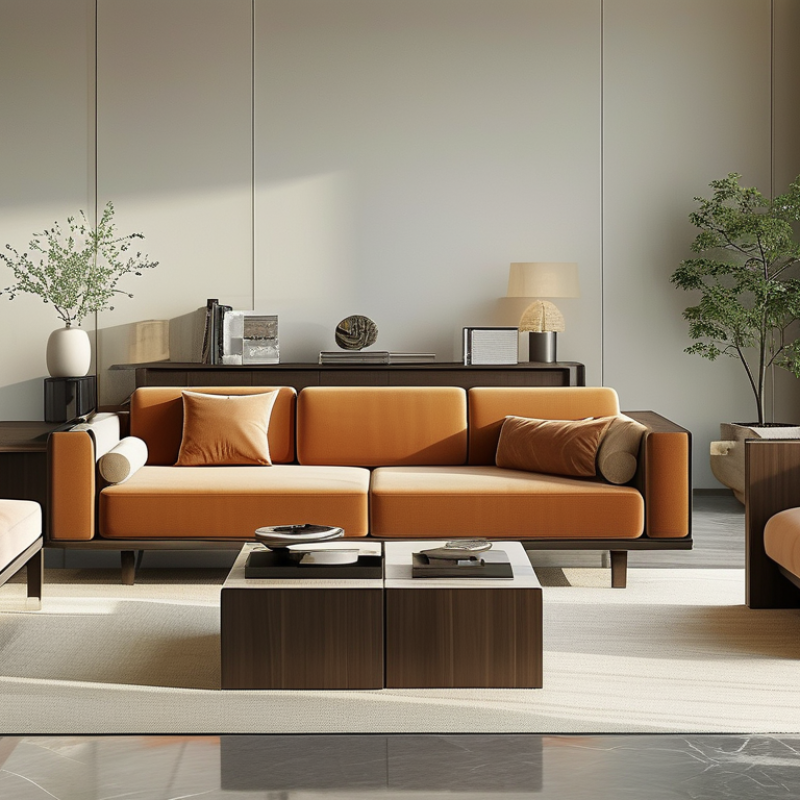
Modern home furniture is defined by its sleek lines and minimalist designs. It often features neutral colors and an open layout that creates space. Key characteristics include functionality and simplicity. Furniture pieces are designed to be both stylish and practical. From chairs to coffee tables, modern furniture often incorporates natural materials like wood, metal, and glass.
When choosing modern furniture, consider your lifestyle. Think about how you use your space daily. If you entertain frequently, opt for adaptable seating and extendable tables. For smaller homes, select multi-functional items. They will save space and maintain a clean look.
**Tips:** Measure your space before buying. This prevents over-furnishing. Look for pieces with storage options to keep clutter at bay. Also, remember that simplicity is key in modern design, but don't shy away from adding a few personal touches to make it your own.
When choosing modern home furniture, it’s vital to assess your space and functionality needs. Start by measuring your room. This gives you a clear idea of what fits and what doesn’t. Consider the current layout. Is it open or cramped? Tailoring your choices to your unique space ensures that you maximize every inch.
Think about how you use your space daily. Do you entertain often? You might need versatile seating options. If you work from home, a functional desk is essential. Reflect on your lifestyle too. Families with kids need durable pieces. Those who enjoy minimalism may opt for fewer, multi-functional items.
Don't rush the decision-making process. Take time to visualize how each piece will fit into your home life. The perfect chair can enhance comfort. The wrong choice can feel out of place. Remember, furniture is not just about style; it’s about practical living. Make choices that reflect both your taste and your needs.
When discussing modern home furniture, materials significantly shape design aesthetics. Common fabrics like cotton, linen, and polyester dominate contemporary furniture. Each has distinct benefits and drawbacks. Cotton offers breathability but may wear over time. Linen gives a sophisticated look but can wrinkle easily. Polyester is durable and stain-resistant, often favored for family spaces.
Finishes also play a vital role. Wood, metal, and glass create a diverse visual appeal. Wooden furniture provides warmth and character but requires maintenance. Metal lends a sleek, industrial vibe, yet it can feel cold. Glass pieces add elegance but demand careful handling. Balancing these elements ensures a harmonious design.
Choosing the right materials can feel overwhelming. Consider your lifestyle and the room’s purpose. For example, families with children may prioritize durability over aesthetics. Conversely, a home office might lean towards a sleek, refined look. Test samples where possible; this ensures you feel confident in your choices. Remember, the perfect blend of style and function is key.
Choosing the right color scheme and aesthetics for modern home furniture significantly impacts your living environment. A study by the Color Marketing Group suggests that color can affect mood and even productivity. For instance, blue can create a calming atmosphere, while yellow might boost energy levels. Thus, understanding color psychology is vital when selecting your palette.
When selecting colors, consider your existing decor, lighting, and the room's purpose. Neutral tones like whites and greys are popular for their versatility. However, adding bold accent colors can provide depth and character. For example, a vibrant orange couch can serve as an eye-catching centerpiece. Be mindful, though; too many bold colors may overwhelm a space and create visual chaos.
Additionally, pay attention to the size of the room. Dark colors can make small spaces feel even smaller. Conversely, light colors can open up a room and make it feel larger. Balancing these elements is essential for creating a cohesive look. You might find yourself drawn to certain colors, but they may not always harmonize with other aspects of your home. Reflecting on these choices often leads to a more satisfying outcome.
| Furniture Type | Material | Color Scheme | Style | Recommended Room |
|---|---|---|---|---|
| Sofa | Fabric | Neutral Tones | Contemporary | Living Room |
| Coffee Table | Wood | Warm Colors | Scandinavian | Living Room |
| Dining Chair | Metal | Bold Colors | Modern | Dining Room |
| Bed | Wood | Pastel Shades | Minimalist | Bedroom |
| Bookshelf | Wood | Earth Tones | Industrial | Study Room |
When you're on the hunt for modern home furniture, the selection process can feel overwhelming. According to a recent report by Statista, nearly 60% of consumers experience anxiety while furniture shopping. This statistic highlights the need for effective strategies to navigate options. Start by identifying your personal style and the functional requirements of your space. This clarity can reduce decision fatigue and help you select pieces that truly resonate with your lifestyle.
Online platforms and local showrooms can provide an extensive range of options. Research indicates that consumers often spend around 11 hours browsing before making a purchase. Use this time wisely. Create a list of key features you desire in your furniture, such as sustainability or multi-functionality. With the growing importance of eco-friendly materials, consider exploring pieces made from sustainable resources. Remember that comparing prices and quality across retailers can save you a significant amount. However, there's a fine line between seeking value and getting caught up in a deal that compromises quality.
It's easy to feel lost among countless choices. Some furniture looks appealing online but may fall short in person. Take the time to visit stores and experience items firsthand. Touch the fabrics and sit on the sofas. Ensure that the pieces not only look good but also meet your comfort standards. As you compare options, be mindful that the cheapest item may not always be the best choice. Quality matters for durability and long-term satisfaction. Balancing aesthetics, functionality, and price can indeed be a tricky path, but making informed choices will lead to a fulfilling home environment.
: Modern furniture features sleek lines, minimalist designs, and neutral colors. It emphasizes functionality and simplicity.
Reflect on your daily space usage. Consider adaptable seating for entertaining or multi-functional items for smaller spaces.
Measuring prevents over-furnishing and helps you understand what fits in your room while maintaining an open layout.
Think about your room's layout and functionality. Consider factors like kids, work-from-home needs, and entertainment habits.
Identify your personal style and key features. Research options both online and in local showrooms to make informed decisions.
Sustainable furniture is often made from eco-friendly materials. It reflects a commitment to the environment while enhancing your home.
Focus on your unique requirements. Create a list of desired features to guide your selection and reduce decision fatigue.
Online images can be deceiving. Visit stores to experience furniture firsthand and ensure comfort and quality before purchasing.
Not necessarily. Cheaper items may compromise quality. Consider durability and long-term satisfaction over immediate savings.
While simplicity is key, add personal touches like decorative accessories. These can enhance the overall feel of your home.
In the article titled "What is Modern Home Furniture and How to Choose It Effectively?", the focus is on understanding the essential characteristics and styles that define modern home furniture. It emphasizes the importance of assessing individual needs by considering space and functionality requirements to create a harmonious living environment.
Moreover, the article explores the various materials commonly used in modern designs, highlighting the significance of fabrics and finishes in achieving the desired aesthetic. Color schemes are also discussed, guiding readers in selecting the right palette to enhance their home's ambiance. Lastly, practical tips for effective shopping are provided, including where to purchase furniture and how to compare options efficiently, ensuring that readers are well-equipped to make informed decisions about modern home furniture.

Ibrixa Home