In today's urban landscape, maximizing space has become essential. A recent survey by the American Home Furnishings Alliance found that 77% of homeowners struggle with storage issues. This emphasizes the need for innovative solutions. Understanding how to optimize storage with furniture design can significantly enhance both functionality and aesthetics in small living areas.
Smart furniture design integrates multi-functional pieces that serve various purposes. For instance, a sofa bed can efficiently transform a living room into a guest room. Additionally, ottomans with hidden compartments can store items while providing extra seating. Research from the International Furniture Manufacturer's Association indicates that versatile furniture can increase usable space by up to 30%.
However, not every design will be effective for all. Individual needs and room layouts vary, prompting buyers to reflect on their specific requirements. A one-size-fits-all approach often falls short, as personal preferences play a crucial role in achieving optimal storage solutions. Exploring diverse furniture options can lead to more personalized and efficient spaces.
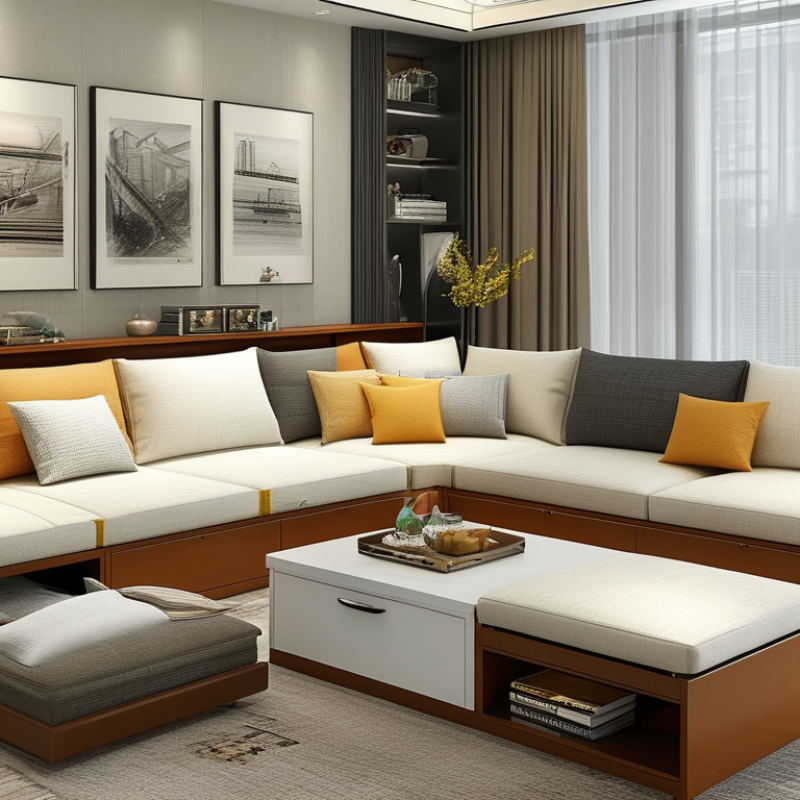
Understanding Smart Furniture: What Makes It Ideal for Storage
Smart furniture is transforming how we approach storage solutions in our homes. It's not just about aesthetics; it's about function. With 68% of urban dwellers reporting limited living space, the demand for effective storage options has surged. The ideal smart furniture combines innovative design with multifunctionality. For instance, tables that convert into storage units make efficient use of space without sacrificing style.
Understanding what makes furniture "smart" is essential for buyers. Features like modular design and integrated technology enhance usability. According to recent studies, homes utilizing smart storage solutions can save up to 50% more space compared to traditional furniture. Hidden compartments, collapsible designs, and extendable features offer adaptability, allowing users to modify their storage needs as required.
However, not all smart furniture achieves the promised efficiency. Some designs can become cumbersome or confusing, making it challenging to access items. Space-maximizing designs may often prioritize looks over practicality, leading to potential frustration. It's crucial for buyers to evaluate their specific needs and test furniture before making a purchase, ensuring it meets both aesthetic and functional requirements.
Evaluating Your Space: How to Choose the Right Smart Furniture
When considering smart furniture for your space, evaluating dimensions is crucial. Nearly 75% of homeowners struggle with clutter due to inadequate storage solutions. In a typical living area of 300 square feet, every inch counts. Measure your space carefully, keeping in mind doorways and flow. The optimal design should promote accessibility without feeling cramped.
Focusing on functionality can elevate your home's design. Multi-purpose furniture is increasingly popular, with sales projected to rise by 25% in the next five years. For example, a bench with built-in storage or a sofa bed can serve dual roles. Think about your lifestyle. If you frequently entertain, prioritize furniture that can adapt. An extendable dining table or ottomans that double as seating can be invaluable.
Consider your personal style as well. Many homeowners overlook the importance of aesthetics while prioritizing functionality. Choosing pieces that complement your decor can enhance overall harmony. Also, reflect on your habits. A high-tech coffee table with charging stations may seem appealing but requires regular maintenance and space for wires. Balancing style, functionality, and practical usability leads to smarter storage solutions.
Optimize Storage with Smart Furniture Design Tips for Buyers
Key Features to Look for in Smart Furniture Designs
Smart furniture is a game changer for maximizing storage in modern homes. When selecting furniture, buyers should prioritize space-saving features like multi-functionality. A well-designed ottoman that doubles as storage can reduce clutter significantly. Consider modular pieces that can adapt to different needs. These can expand or contract based on your space and storage requirements.
Another critical aspect to look for is the use of vertical space. Tall bookshelves or cabinets make use of upward room. They provide storage without consuming much floor space. Also, built-in storage is an excellent option, as it blends seamlessly with the home’s design. Evaluate whether the furniture can fit into nooks or corners, optimizing every square foot.
It's worth noting that while stylish designs may attract buyers, function should not be overlooked. Some elegant options may sacrifice practicality. Before purchasing, assess whether the furniture serves your specific needs. Think about everyday tasks and how accessible the storage is. Aim for a balance between aesthetic appeal and functional design.
Maximizing Functionality: Tips for Using Smart Furniture Effectively
Smart furniture enhances living spaces by maximizing functionality. According to the National Association of Home Builders, 44% of homebuyers prioritize functionality in their design choices.
Compact designs can be innovative. For example, a sofa that doubles as a bed saves space without sacrificing style. The right furniture ensures that small spaces remain comfortable and usable.
Storage solutions contribute significantly to functionality. Items that include hidden compartments make a difference. A coffee table that opens up or an ottoman that stores blankets can effectively reduce clutter. Research by the American Home Furnishings Alliance shows that multifunctional furniture can save up to 30% of floor space. However, finding the right balance is crucial.
Overloading a room with too many smart furniture pieces can lead to a chaotic environment. It is essential to consider the layout and flow of the space when integrating multiple designs.
It is also important to choose materials wisely. Durable materials last longer but may not always align with aesthetic preferences. Reflecting on how often furniture is used can guide better decisions. Intuitive designs that cater to daily life can be beneficial, yet they may also require a period of adjustment. Embracing smart furniture is a journey of discovery, exploring what truly enhances your living experience.
Maintaining and Caring for Your Smart Furniture for Longevity
Smart furniture can enhance your living space while optimizing storage. However, proper maintenance is key to ensuring its longevity. According to the American Home Furnishings Alliance, about 30% of furniture is replaced due to lack of care. Proper cleaning and maintenance can significantly extend the lifespan of these innovative pieces.
To maintain your smart furniture, regularly check for software updates. Many pieces come with app support, improving functionality over time. Dust and grime can accumulate, so use a soft cloth for cleaning. Be cautious of harsh chemicals. They can damage the finish and internal components. It's also essential to follow the manufacturer’s guidelines for periodic maintenance.
Another important aspect is understanding the materials used in your furniture. Wood, metal, and fabric each have unique care requirements. For example, wood should be polished and kept away from direct sunlight. Meanwhile, metal surfaces may require occasional lubrication for hinges or moving parts. Every material has its challenges, so it's wise to familiarize yourself with these specifics. Take time to inspect your furniture, ensuring it remains in optimal condition.
FAQS
: Focus on space-saving features like multi-functionality. Choose items that can adapt to your needs.
Use vertical space with tall shelves. Built-in storage options also blend well with home designs.
Functionality enhances livability. Without it, stylish furniture may fail to meet everyday needs.
A sofa that converts into a bed or an ottoman that provides hidden storage can save space effectively.
Furniture with hidden compartments, like coffee tables that open, helps keep spaces organized and tidy.
Yes, too many pieces can create chaos. Consider layout and flow before integrating multiple designs.
Durable materials are essential for longevity. Reflect on how often you use the furniture before deciding.
Strive for a balance. Some elegant designs may lack functionality, affecting daily use.
Intuitive designs might require time to adapt. Expect a learning curve when integrating new pieces.
Assess your daily tasks and accessibility of storage before making a purchase decision.
Conclusion
In today's space-conscious world, understanding how to optimize storage with furniture design is crucial for homeowners and renters alike. Smart furniture solutions, characterized by their multifunctionality and clever storage options, provide an ideal answer to maximizing limited space. To successfully choose the right smart furniture, it's essential to evaluate your living space and consider factors such as size, style, and functionality.
Key features to look for in smart furniture designs include integrated storage compartments, modular elements, and adaptability. To make the most of these innovative pieces, users should implement strategies that enhance functionality, such as organizing items strategically and selecting furniture that complements their lifestyle. Furthermore, maintaining and caring for smart furniture is vital for ensuring its longevity and sustained effectiveness in optimizing your storage solutions. By following these guidelines, individuals can create a well-organized, stylish living environment that reflects their personal taste while meeting practical storage needs.

 Ibrixa Home