10 Tips for Creating a Comfortable Bedroom Environment?

Time:2026-06-01 Author:Sophia
0%

Creating a comfortable bedroom environment is essential for a good night’s sleep. It plays a significant role in our overall well-being. Often, people overlook the details that contribute to a restful space. Knowing how to create a comfortable bedroom environment involves more than just choosing a bed or curtains.

Consider factors like lighting, color schemes, and room layout. Soft lighting can set a calming mood. Choosing the right colors can influence your feelings. Remember, a cluttered room might distract your mind. It's crucial to reflect on how these elements affect your daily life.

Quality bedding and personal touches also matter. Comfortable pillows, warm blankets, and decorative items reflect your personality. Yet, achieving perfection is not always possible. You might find that what works for others doesn’t suit you. Stay flexible and open to adjustment. The goal is to foster a space where you feel truly at ease.
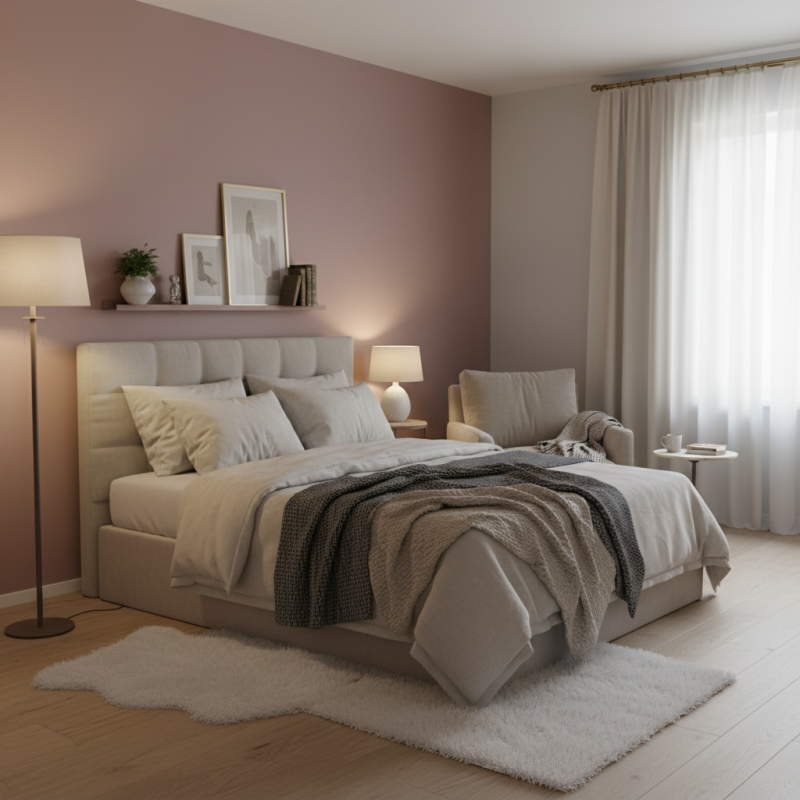
10 Tips for Creating a Comfortable Bedroom Environment?

Selecting the Right Mattress for Optimal Comfort

Selecting the right mattress is crucial for achieving optimal comfort in your bedroom. A recent survey found that nearly 68% of people report sleep disturbances due to their mattress. An uncomfortable mattress can lead to poor sleep quality, affecting overall health. A well-chosen mattress can significantly improve your sleep patterns and daily energy levels.

When selecting a mattress, consider your preferred sleeping position. Side sleepers often benefit from softer mattresses, while back and stomach sleepers may require firmer support. According to the National Sleep Foundation, the right mattress improves spine alignment and reduces aches. However, many people overlook the importance of firmness, often assuming a softer mattress is more comfortable. Testing different levels of firmness can reveal surprising preferences.

Another important factor is material. Memory foam, latex, and hybrid mattresses each offer unique benefits. A study published in the Journal of Chiropractic Medicine emphasized that individuals using quality foam mattresses reported better sleep quality. However, some users felt trapped in foam, leading to discomfort. It's essential to evaluate your personal comfort levels. Test mattresses for at least 15 minutes to gauge their feel.

10 Tips for Creating a Comfortable Bedroom Environment - Selecting the Right Mattress for Optimal Comfort

Tip Number Tip Details
1 Choose the Right Mattress Type Select a mattress that suits your sleeping position (e.g. memory foam for side sleepers).
2 Consider Firmness Level Choose firmness based on personal comfort preferences and body weight.
3 Look for Pressure Relief Ensure the mattress distributes weight evenly to avoid pressure points.
4 Check for Motion Isolation Select a mattress that minimizes movement disturbance for couples.
5 Evaluate Temperature Regulation Choose materials that help keep you cool at night, like gel-infused foam.
6 Consider Allergies Select hypoallergenic materials if you have allergies or sensitivities.
7 Budget Wisely Invest in a good quality mattress within your budget for long-term comfort.
8 Test Before You Buy Lay on the mattress for at least 10 minutes in your preferred sleep position.
9 Check Return Policies Ensure you can return or exchange the mattress if it doesn't fit your needs.
10 Consider Bed Height Ensure the mattress height is comfortable for getting in and out of bed easily.

Choosing Calming Color Schemes for Your Bedroom

When considering a calming color scheme for your bedroom, it is essential to be mindful of the psychological effects of different hues. Research indicates that blue tones can lower blood pressure and heart rate, facilitating relaxation. In fact, a 2022 report from the Color Psychology Institute found that people sleeping in blue rooms reported better sleep quality by 15%. Soft shades of green and lavender also promote a tranquil atmosphere, supporting mental well-being.

However, choosing the right colors can be tricky. Overstimulating hues like bright yellows or reds can lead to anxiety and restlessness. A study published in the Journal of Environmental Psychology noted that environments with excessive stimulation could actually hinder relaxation. Painting one accent wall in a soothing shade may create a focal point while maintaining a serene overall feel. It’s also worth noting that shades may look different in various lighting conditions, so testing swatches in your room is crucial.

Customization is key. Not everyone finds the same colors calming. For instance, while some may feel comforted by neutrals, others may prefer the vibrancy of sunset oranges. Reflect on your own preferences and experiences. Creating a personal sanctuary involves trial and error, and it might take time to discover what truly makes you comfortable.

Incorporating Effective Lighting Solutions for Relaxation

Creating a relaxing bedroom atmosphere relies heavily on effective lighting solutions. Soft, warm light is ideal for relaxation. Consider using dimmable lamps to adjust brightness according to your mood. Headboard lights can provide cozy illumination, perfect for reading. Floor lamps situated near comfortable seating can add warmth without overwhelming the space.

Incorporate layered lighting for versatility. A combination of general, task, and accent lighting creates depth. Use string lights along shelves or curtains for a whimsical touch. This invites tranquility, especially in the evening. Don't underestimate the power of natural light. Open curtains during the day to uplift your mood, allowing sunlight to fill the room.

Still, be mindful of over-illuminating your space. Harsh, bright lights can make a room feel sterile. Experimenting with light placement can feel daunting. It may take time to find the right balance. Reflection on how light affects your mood is crucial. Keep adjusting until you discover your haven.

Arranging Furniture to Maximize Space and Comfort

Arranging furniture in your bedroom is crucial for maximizing space and comfort. Start by analyzing the room’s layout. Consider the natural light; position your bed where it receives morning sun, if possible. A proper balance between beauty and function matters. Don't overcrowd the area with furniture. Leave ample space for walking. A clutter-free environment promotes relaxation.

Think about the placement of your nightstands. They should be easily accessible from your bed. Books, lamps, and personal items on them create a cozy feel. Try to visualize daily routines when deciding where to place items. Reflect on what makes you feel at ease. If you find the arrangement uncomfortable, consider shifting your furniture around. Experimentation can lead to surprising results.

Incorporating versatile furniture can further enhance comfort. A storage bench at the foot of the bed serves as a seating area and keeps things tidy. Too often, people forget to account for vertical space. Wall-mounted shelves can help display decor without taking up valuable floor space. Remember, it's okay to change things up over time. Your bedroom should evolve with your needs.

Utilizing Textiles and Accessories for Enhanced Coziness

Creating a cozy bedroom environment is essential for restful sleep. Textiles play a significant role in enhancing comfort. According to a study by the Sleep Research Society, a well-furnished bedroom can improve sleep quality by up to 30%. Soft bedding, thick curtains, and plush rugs are vital for that warm, inviting atmosphere. Selecting the right fabrics can make your space feel like a sanctuary.

Accessories also add to the coziness. Consider using decorative pillows and throws. These elements provide both aesthetic appeal and functional comfort. The Home Textiles Association suggests that even small changes can significantly influence a room's feel. Adding layers with varying textures creates depth and warmth. However, remember to balance style with practicality. Over-decorating can lead to a cluttered space, diminishing comfort.

Lighting matters too, and textiles can help diffuse it. Sheer curtains soften harsh light, creating a serene ambiance. According to the International Journal of Environmental Research, ideal lighting can uphold a peaceful environment. It’s crucial to assess what works for you. Creating a cozy bedroom is a journey, and realizing what feels right sometimes takes experimentation. Trust your feelings and don’t be afraid to adjust your textiles and accessories until you find that perfect blend of comfort.

FAQS

: What colors are recommended for a calming bedroom environment?

: Soft blue, green, and lavender tones promote relaxation and better sleep quality.

How can bright colors affect bedroom tranquility?

Overstimulating colors like bright yellows or reds can create anxiety and restlessness.

Why is lighting important in a bedroom?

Soft, warm lighting helps create a relaxing atmosphere and enhances mood.

What types of lighting should I use for versatility?

Incorporate a mix of general, task, and accent lighting for depth and comfort.

How can natural light improve the bedroom environment?

Opening curtains during the day can uplift your mood and energize the space.

What should I consider when arranging furniture?

Analyze the room’s layout and natural light to maximize space and comfort.

How can I create a clutter-free environment?

Avoid overcrowding your room with furniture to promote relaxation.

What role do nightstands play in bedroom comfort?

Accessible nightstands with personal items create a cozy and inviting feel.

How can I incorporate storage without clutter?

Use versatile furniture like storage benches and wall-mounted shelves for organization.

Is it okay to change my bedroom layout over time?

Yes, your bedroom should evolve with your needs and preferences. Reflect and adjust as necessary.

Conclusion

Creating a comfortable bedroom environment is essential for promoting relaxation and restful sleep. To achieve this, begin by selecting the right mattress that provides optimal support and comfort tailored to your personal preferences. Next, consider choosing calming color schemes for your walls and decor that evoke serenity and tranquility. Effective lighting solutions, such as soft bedside lamps or dimmable fixtures, can create a soothing atmosphere perfect for unwinding.

Additionally, arranging furniture thoughtfully is crucial; ensure that the layout maximizes space while promoting ease of movement and comfort. Finally, incorporate textiles and accessories like plush pillows, cozy blankets, and rugs to enhance the overall coziness of the room. By following these tips, you can effectively learn how to create a comfortable bedroom environment that fosters relaxation and rejuvenation.

Sophia

Sophia

Sophia is a dedicated marketing professional with an exceptional depth of knowledge about her company's products and services. With a keen understanding of market trends and customer needs, she crafts insightful blog posts that not only inform but also engage readers, enriching the company’s online......