Maintaining furniture can seem daunting, but it is essential for ensuring its longevity. Knowing how to maintain furniture for long lasting use is crucial whether you own treasured antiques or modern pieces. Every piece tells a story, but neglect can swiftly lead to decay. Regular care enhances not only aesthetic appeal but also functionality.
Consider whether you protect your wooden surfaces from spills or heat. Fabric upholstery may need special attention to remain vibrant. Dusting weekly, for example, is a simple yet effective task. Even small actions like rotating cushions can make a difference. Each piece deserves specific attention.
Yet, it's easy to overlook certain maintenance routines. Life gets busy, and furniture care often falls by the wayside. Reflect on your habits. Are you using the right cleaners? Taking these steps will help ensure your furniture remains in great condition for years to come.
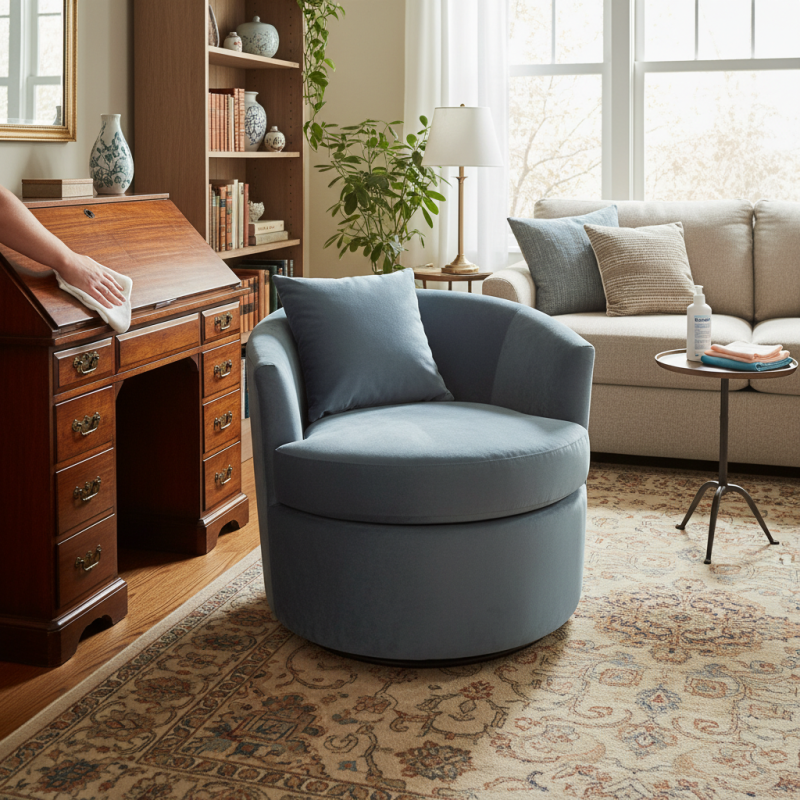
Dusting your furniture surfaces regularly is essential for their upkeep. A soft, lint-free cloth works wonders. Microfiber cloths trap dust particles effectively. Use a slightly dampened cloth to remove stubborn dust without scratching the surface. Pay attention to corners and crevices; dust tends to accumulate in those hidden areas.
Consider the cleaning frequency. Daily dusting is ideal for high-traffic areas. In less-used spaces, weekly dusting might work. Don’t forget to dust decorative items. A gentle touch prevents breakage. Wooden surfaces may require different care; be cautious with water. Excess moisture can damage the finish.
Reflecting on your cleaning routine can unveil areas for improvement. Sometimes, we overlook furniture under windows or near heating vents. Evaluate if your cleaning tools are up to the task. An old, worn-out cloth may spread dust instead of collecting it. Regularly assessing your methods ensures your furniture remains in top condition for years to come.
| Furniture Type | Cleaning Frequency | Recommended Cleaning Method | Maintenance Tips |
|---|---|---|---|
| Wooden Furniture | Weekly | Dust with a microfiber cloth, use a wood polish every 3 months | Keep away from direct sunlight; use coasters |
| Upholstered Furniture | Bi-weekly | Vacuum with an upholstery attachment, spot clean stains | Rotate cushions regularly; avoid harsh chemicals |
| Metal Furniture | Monthly | Wipe with a damp cloth, polish surfaces to prevent rust | Store in a dry place; avoid exposure to moisture |
| Glass Furniture | Weekly | Use glass cleaner and microfiber cloth | Avoid abrasive cleaners; clean spills immediately |
Humidity and temperature play a crucial role in maintaining furniture. According to a report by the American Home Furnishings Alliance, wood furniture performs best in conditions where humidity levels remain stable between 40% and 60%. Deviating from this range can lead to warping or cracking. For instance, extreme dryness can pull moisture from wood, causing it to shrink and create gaps. On the other hand, high humidity can lead to mold and wood swelling, affecting aesthetics and structural integrity.
Temperature also impacts your furniture's longevity. The ideal range is between 60°F and 75°F. Too much heat can dry out finishes, while cool environments may promote dampness. This balance is often overlooked. Many homeowners underestimate how improper climate can affect their investments. It’s essential to use humidifiers or dehumidifiers to manage indoor climates effectively.
Maintaining the right environment can extend the life of your furniture significantly. Regular checks on humidity and temperature should become routine. However, even with careful monitoring, certain areas may still face challenges. For example, rooms with inadequate insulation can have fluctuating conditions. Constant vigilance and adjustment can help in overcoming these hurdles.
Maintaining furniture is essential for longevity. Different materials require unique care. Using the right cleaning products helps preserve their beauty and function.
For wood furniture, consider natural oils and gentle cleansers. Avoid harsh chemicals that can strip away the finish. Always test on a small area first. A mixture of vinegar and water works wonders but can dull the surface over time. For upholstered items, a vacuum cleaner is your best friend. A soft brush attachment removes dust and debris effectively. Spot clean with a mild detergent for stains. Remember, over-wetting can lead to mold growth.
Glass furniture is sleek yet demanding. Use a streak-free cleaner to maintain clarity. Paper towels can leave lint, so opt for microfiber cloths instead. Metal surfaces require specific care too. Stainless steel cleaners can protect against stains and fingerprints. Regularly buffing with a dry cloth enhances shine but can lead to scratches if not done gently. Adapting your cleaning approach for each material helps avoid costly mistakes. Always be aware of what your furniture needs.
Maintaining furniture is vital for its longevity. One effective way to do this is by preventing scratches. Everyday activities can take a toll on your pieces. For example, moving items, like books and plants, can create unwanted marks. Consider using felt pads under items to avoid direct contact with surfaces. They add a layer of protection against wear and damage.
Daily dusting helps reduce grit accumulation. Even small particles can scratch the surface over time. Opt for microfiber cloths. They are gentle yet effective in removing dust. Be mindful of how you clean your furniture. Some products contain chemicals that could cause harm. Always test in a discreet area before applying.
Regular inspections are essential for upkeep. Look for signs of wear or loose joints. Addressing these issues early can prevent more significant damage. Remember, even the best-maintained furniture has its flaws. Embrace the character that these imperfections bring. They're part of the story your furniture tells.
Routine maintenance is essential for extending the life of your furniture. Research shows that regular cleaning and care can enhance longevity by up to 30%. This means developing a scheduled maintenance routine. For wood furniture, dusting should be done weekly. Use a soft, dry cloth to prevent scratches. Every month, consider polishing your wood items, as it can restore shine and protect the surface.
Upholstered furniture requires different attention. Vacuuming carpets and fabric every few weeks helps eliminate dust and allergens. Spot cleaning should occur promptly to prevent stains from setting. Industry reports suggest that over 70% of furniture damage comes from neglecting these basic care requirements. It's important to regularly check your furniture for any signs of wear or damage. A proactive approach can save you from costly repairs later.
Routine checks for loose screws or joints can prevent bigger issues in the future. If furniture squeaks or feels unstable, it’s time to address it. People often overlook these details until it's too late. Openly reflecting on your maintenance habits can lead to better practices. By adopting a thoughtful maintenance schedule, you ensure your furniture remains a cherished part of your home for years to come.
: Use felt pads under items. They provide protection against scratches and wear.
It reduces grit accumulation. Small particles can scratch your furniture over time.
Opt for microfiber cloths. They are gentle yet effective in removing dust.
Regular inspections are essential. Look for signs of wear or loose joints.
Dust weekly with a soft cloth. Polish monthly to restore shine and protect.
Vacuum every few weeks. Spot clean immediately to prevent stains from setting.
Over 70% of damage comes from ignoring basic care routines.
Check for squeaks or instability. Address these issues before they worsen.
Yes, embrace them. They add character and tell a story about your furniture.
Think about your routine. Finding areas for improvement can enhance furniture longevity.
Maintaining furniture for long lasting use involves several key practices that can significantly enhance the durability and appearance of your pieces. Regular cleaning and dusting of furniture surfaces are essential to prevent buildup that can lead to damage. Additionally, understanding the importance of humidity and temperature control can safeguard your furniture from warping and deterioration.
Utilizing recommended cleaning products that are suitable for different materials will ensure that you do not inadvertently cause harm. Implementing techniques to prevent scratches and other damage during daily use, along with establishing routine maintenance schedules, will further contribute to the longevity of your furniture. By adopting these strategies, you will effectively learn how to maintain furniture for long lasting use, ensuring they remain beautiful and functional for years to come.

Ibrixa Home