When purchasing furniture, it's essential to understand what are the key features of high quality furniture. High-quality pieces not only elevate your home’s aesthetic but also provide durability and comfort. The market is flooded with options, and distinguishing between good and poor-quality furniture can be daunting.
Experts suggest that examining materials and craftsmanship is paramount. Solid wood, resilient upholstery, and sturdy frames often indicate longevity. Additionally, consider the design elements and how they fit your space. The intricacies of craftsmanship can make a stark difference in both appearance and performance.
It’s important to recognize that high quality doesn't always mean high price. Some brands may charge more without delivering value. Therefore, doing thorough research and seeking advice from knowledgeable sources is beneficial. You might find that a well-made piece from a lesser-known brand can outperform expensive alternatives. Engaging with the furniture community, whether through online forums or local showrooms, can also enhance your understanding.
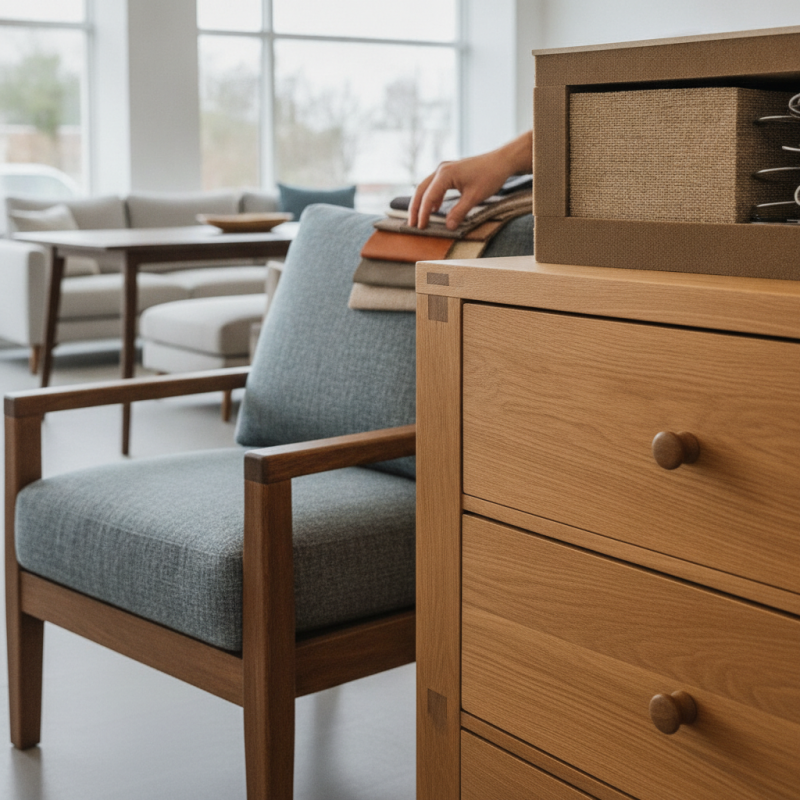
When it comes to furniture design, material quality is paramount. High-quality materials determine not just the look but the durability of your furniture. Solid woods, premium metals, and reliable fabrics add to the life span of a piece. They resist wear and tear better than cheaper alternatives. Each type of material brings unique characteristics and aesthetics.
Tips: Always check the grain of the wood. Authentic wood will have imperfections; no two pieces are identical. For upholstery, choose fabrics with tight weaves. These are more resistant to fraying and staining.
Carefully consider the type of wood used. Hardwoods like oak and maple are far superior to softwoods. They offer better strength and can withstand daily use. Look for finishes that enhance both beauty and longevity.
Tips: Ask about the sourcing of materials. Ethical and sustainable sources indicate a focus on quality. Further, understanding maintenance requirements will help you keep your furniture looking its best. Quality materials may come with a higher price tag, but they pay off in the long run.
: Material quality affects both appearance and durability. High-quality materials resist wear better than cheaper alternatives.
Hardwoods like oak and maple are superior. They provide better strength and can handle daily use.
Mix bold and subtle colors. Combine materials like wood, metal, and textiles to create visual interest.
Look for fabrics with tight weaves. They resist fraying and staining better than looser weaves.
Choose eco-friendly materials like reclaimed wood or bamboo. Research a company's sourcing practices before buying.
Functionality is crucial. Beautiful pieces need to have a purpose, balancing style and comfort.
Understand the upkeep needed for your furniture. Proper maintenance keeps high-quality pieces looking their best.
Yes, some designs focus on style over comfort. Ensure your choices are both attractive and usable.
Investigate the sourcing and production practices. Some claims may be misleading, so do your research.
Revisiting choices can inspire new arrangements. It helps maintain a fresh perspective on your space.
When considering what are the key features of high quality furniture, it's essential to understand the importance of material quality in furniture design. High-quality materials ensure longevity and resilience, contributing to the overall durability and strength of the piece. Additionally, evaluating the construction techniques used, such as joinery methods and finishing processes, plays a crucial role in enhancing its durability.
Aesthetics also significantly impact the perception of furniture quality; well-designed pieces not only serve functional purposes but also enhance the beauty of a space. Comfort factors, particularly ergonomics and functionality, cannot be overlooked, as they directly influence user experience. Lastly, sustainability is becoming increasingly vital, with eco-friendly materials and practices reflecting a commitment to preserving the environment while offering durable products. Understanding these features will guide consumers in making informed decisions about high-quality furniture.

 Ibrixa Home