Why Choose Solid Wood Over Panel Furniture?

Time:2026-09-09 Author:Liam
0%

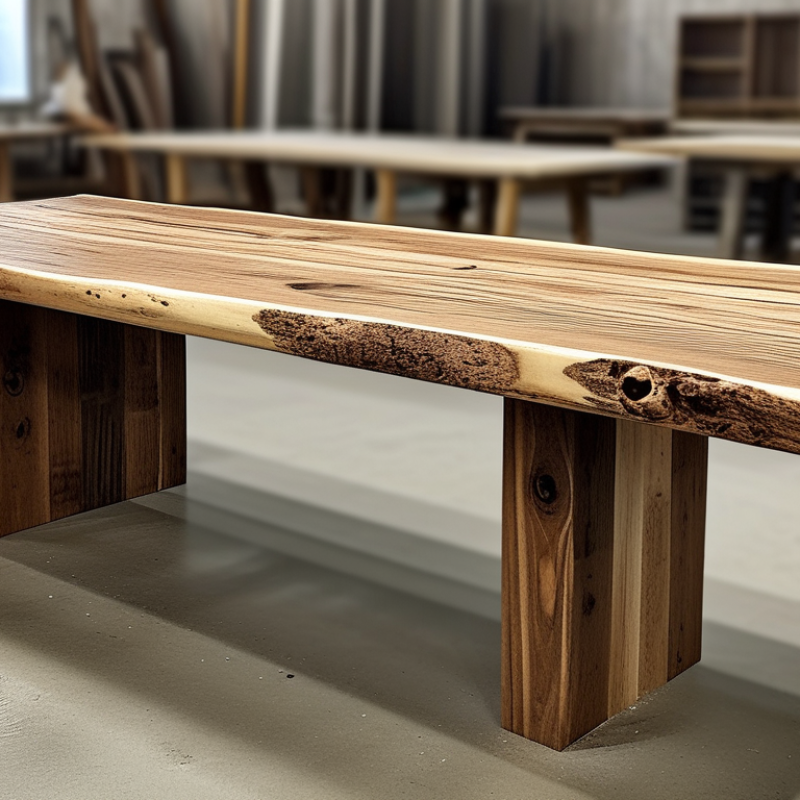
Choosing furniture is not only about appearance. It also involves durability, construction, maintenance, and the atmosphere a room should create. Solid wood often brings visible grain, natural variation, and a reassuring weight. A dining table may show small knots, changing colors, or a smooth edge shaped by hand. These details can make a home feel warmer and more personal.

Many buyers ask, “what is the difference between solid wood and panel furniture?” Solid wood is made mainly from natural timber boards. Panel furniture usually uses engineered boards, such as particleboard or medium-density fiberboard, often covered with veneer or laminate. Both materials can serve practical purposes. However, their performance may differ under moisture, heavy use, repeated assembly, and long-term repairs.

From working with household furniture, I have noticed that solid wood can be sanded, refinished, and repaired more easily. A well-made piece may remain useful for decades. It can also develop a deeper surface character over time. Panel furniture is often lighter, more affordable, and easier to produce consistently. That matters for temporary homes and controlled budgets.

Still, solid wood is not automatically superior. Poor construction can cause warping, while neglected finishes may crack or stain. I once assumed heavier furniture was always better, but that judgment was too simple. Joinery, wood moisture, finishing quality, and responsible manufacturing deserve equal attention. Reliable decisions come from examining the whole product, not trusting a material label alone. This guide explores why solid wood remains a strong choice, while recognizing where panel furniture may be sensible.
Why Choose Solid Wood Over Panel Furniture?

What Defines Solid Wood and Panel Furniture?

Solid wood furniture is made mainly from natural lumber cut from trees. Its grain, knots, color changes, and small surface marks remain visible. These details are not defects by themselves. They show the material’s natural character. Solid wood can expand or contract when humidity changes, so careful joining and proper finishing matter.

Panel furniture uses manufactured boards as its main structure. Common panels include plywood, medium-density fiberboard, and particleboard. Some pieces use a wood veneer, laminate, or painted surface over the panel core. This construction can create stable, even surfaces and reduce material waste. It is not automatically inferior. Panel quality depends on density, moisture resistance, edge treatment, and hardware installation.

The distinction is not always clean. A table may have solid legs but a panel top. A cabinet may combine both materials. During a furniture inspection, check exposed edges, grain continuity, screw holding, and the feel of the surface. Solid wood should not be judged only by price or weight. Panel furniture should not be dismissed without checking its core and finish. A heavy panel can feel durable, while poorly dried solid wood may split. That seems obvious, but buyers often overlook it. Furniture labels can also use vague wording, so asking which parts are actually solid wood is worthwhile.

How Solid Wood Performs in Strength and Longevity

Why Choose Solid Wood Over Panel Furniture?

How Solid Wood Performs in Strength and Longevity

Solid wood earns its reputation through structure, not appearance alone. Its continuous grain can support repeated pressure, daily movement, and heavier loads. In a dining table, this matters when elbows, dishes, and warm plates meet the surface every day. A well-made solid wood frame also holds screws and joints securely over time. Experienced furniture makers inspect grain direction, moisture content, and joint construction before assembly.

Panel furniture can perform well, especially when weight and cost matter. However, its layered or compressed core may weaken around screw holes after repeated assembly. Moisture can also cause swelling along exposed edges. Solid wood is not flawless. It may expand, shrink, or develop small cracks as indoor humidity changes. That behavior is natural, but poor finishing can make it worse.

Care makes a measurable difference. Keep solid wood away from direct heaters, wipe spills quickly, and maintain stable indoor humidity. Refinishing can often restore a scratched surface instead of replacing the whole piece. I have seen old wooden chairs become stronger after joint repairs, while neglected ones loosened early. Longevity depends on material, workmanship, and care. The wood alone cannot correct weak design.

Why Choose Solid Wood Over Panel Furniture?

Representative mechanical properties show how solid wood can provide greater strength and structural stiffness than common panel materials. Actual performance varies by species, grade, moisture content, density, and manufacturing quality.

Key takeaway: Solid wood typically offers higher bending strength and stiffness, while its solid structure also allows sanding, refinishing, and repairs over a longer service life. MDF and particleboard can perform well in controlled indoor conditions but are more vulnerable to swelling, edge damage, and fastener failure when exposed to moisture or repeated stress.

Representative typical values based on published ranges in the USDA Wood Handbook and common MDF and particleboard performance standards. Values are shown for comparison rather than as product specifications.

Comparing Design Flexibility and Natural Appearance

Why Choose Solid Wood Over Panel Furniture?

When planning a dining room, material choice changes more than furniture’s lifespan. Solid wood offers visible grain, subtle color shifts, and edges that feel warm under the hand. Each board has a different pattern. It feels alive. These details help a table suit modern interiors and traditional rooms. Skilled makers can reshape solid wood for unusual widths, curved legs, or custom shelves. Repairs are also more practical when scratches or dents appear. Light sanding can often refresh the surface.

Panel furniture can be more predictable. Its smooth sheets support clean lines, repeated measurements, and efficient layouts. This consistency suits compact apartments and built-in storage. Yet its uniform finish may lack depth beside natural timber. The difference becomes clear near a window, where real grain changes with the light. Solid wood is not flawless, though. It may expand during humid months, shrink in dry rooms, or reveal knots. A common design mistake is underestimating this movement. Doors can later need adjustment. Good design leaves room for seasonal change and uses stable joinery. Choosing solid wood depends on visual character, room conditions, maintenance habits, and budget—not appearance alone.

Evaluating Maintenance, Repair, and Long-Term Value

Solid wood furniture often earns its higher price through easier maintenance, repair, and longer service life. Its surface can usually be cleaned with a soft, slightly damp cloth and mild soap. Avoid soaking the wood, because trapped moisture may cause swelling or cracking. Small scratches can often be softened with suitable oil or refinished by a skilled craftsperson. Panel furniture may resist daily wear well, but damaged edges and swollen boards are harder to restore.

Long-term value depends on construction, not appearance alone. Dense wood, stable joints, and a repairable finish can keep a table useful for decades. I have seen older wooden chairs regain strength after joint repairs, while damaged panel components often required complete replacement. Still, solid wood is not maintenance-free. Seasonal humidity can create movement, and careless refinishing can reduce its value. That detail is easy to overlook. A well-made panel piece may also be the wiser choice for short-term use or limited budgets.

Tips: Use coasters, lift furniture instead of dragging it, and keep it away from direct heat. Check loose joints early. Delayed repairs usually cost more. Before buying, inspect the underside, drawer joints, and edge treatment. Ask whether damaged parts can be repaired locally. Consider the full ownership period, not only the purchase price. Personally, I would accept a few natural marks, because constant perfection can encourage unnecessary replacement.

Choosing the Right Material for Different Living Spaces

Why Choose Solid Wood Over Panel Furniture?

Choosing the Right Material for Different Living Spaces

Material should follow the room, not fashion. In a busy living room, solid wood can add weight, warmth, and a repairable surface. Fine. Oak, ash, or maple usually suits tables and storage units that receive daily contact. Their grain also gives a room a more natural visual rhythm. However, solid wood can be heavy and may expand or contract with seasonal humidity. Panel furniture often offers lighter construction, stable dimensions, and lower costs. It can be sensible.

For bedrooms, panel furniture can work well for wardrobes, especially where space is limited. Its smooth finish is easy to clean and supports a calm, uncluttered appearance. Solid wood brings stronger texture to bed frames, benches, and bedside tables. In a humid room, proper sealing matters more than appearance. Use felt pads under legs. Small details matter. In kitchens and dining areas, choose surfaces according to maintenance habits. Solid wood can be sanded after years of use, while damaged panels may be harder to restore.

A material decision should consider light, moisture, movement, and daily routines. Solid wood is not automatically better. It may be excessive in a rarely used guest room. Panel furniture may feel less distinctive, yet practical design can still look refined. I once favored solid wood for every room, then noticed how difficult its weight became during cleaning. The room’s purpose changed my view. Good furniture choices leave space for real life, including mistakes.

Why Choose Solid Wood Over Panel Furniture?

Choosing the Right Material for Different Living Spaces

Decision Factor Solid Wood Furniture Panel Furniture Best Choice by Living Space
Material Structure Made from natural wood sections with visible grain and unique color variation. Made from engineered wood panels such as particleboard, MDF, or plywood, often with a decorative surface. Solid wood suits living rooms, dining rooms, and bedrooms where natural appearance and long-term use are priorities. Panel furniture is practical for budget-focused or temporary furnishings.
Durability and Lifespan Generally strong and long-lasting when properly joined, finished, and maintained. It can often be refinished. Performance varies by panel type and construction. Edges, joints, and fastener points may be more vulnerable to wear over repeated assembly. Choose solid wood for frequently used dining tables, bed frames, desks, and storage pieces. Panel furniture works well for moderate-use shelving and occasional furniture.
Repairability Scratches, dents, and worn finishes can usually be sanded, repaired, or refinished, depending on the damage. Minor surface damage may be difficult to repair invisibly, especially when the panel has a thin laminate, foil, or veneer finish. Solid wood is preferable for homes with children, pets, or high daily traffic because many surface defects can be addressed over time.
Moisture Resistance Can absorb and release moisture, which may cause movement, swelling, or shrinkage if exposed to water or unstable humidity. Unsealed particleboard and MDF can swell significantly when water reaches the core. Properly sealed plywood generally performs better in humid conditions. For kitchens, bathrooms, and entryways, use well-sealed materials and protect all edges. Neither material should be left exposed to standing water.
Stability and Seasonal Movement Natural wood expands and contracts with changes in humidity; suitable joinery and acclimatization help reduce problems. Engineered panels are generally more dimensionally stable across normal indoor conditions, although moisture can damage their core. Panel furniture can be convenient for climate-controlled apartments. Solid wood is suitable anywhere when indoor humidity is kept reasonably stable.
Appearance Offers natural grain, tactile texture, and variations that become part of the furniture’s character. Provides consistent colors and patterns through veneers, laminates, or printed finishes, with many modern design options. Solid wood complements traditional, rustic, and warm contemporary interiors. Panel furniture fits minimalist, rental, and coordinated modular interiors.
Weight and Mobility Often heavier, which can improve perceived sturdiness but make moving and rearranging more difficult. May be lighter or easier to transport, depending on panel density and construction. Panel furniture is convenient for small apartments, frequently changing layouts, and flat-pack delivery. Solid wood is better when stability is more important than portability.
Cost Usually has a higher initial price because of the raw material, craftsmanship, and finishing requirements. Usually offers a lower upfront cost and efficient use of manufactured sheet materials. Choose based on the expected service life: solid wood can offer better long-term value for heirloom or high-use pieces, while panels suit limited budgets.
Environmental Considerations Can be a durable choice when sourced from responsibly managed forests and finished with lower-emission products. Long use reduces replacement frequency. Can make efficient use of wood fibers or smaller wood pieces, but adhesives and surface treatments may affect emissions and recyclability. Look for verified responsible sourcing, durable construction, low-emission materials, and repairable designs regardless of the material selected.
Maintenance Dust regularly, wipe spills promptly, avoid excessive water, and occasionally renew the finish according to the manufacturer’s instructions. Usually needs simple dusting and gentle wiping. Keep moisture away from seams, edges, and unfinished surfaces. Both materials work well in living rooms and bedrooms. Solid wood requires more attention to finish and humidity, while panel furniture requires careful moisture control.
Recommended Use Dining tables, bed frames, desks, bookcases, cabinets, and statement pieces intended for long-term use. TV units, modular storage, office shelving, rental furniture, and pieces that need affordable or coordinated replacement. Use solid wood for high-contact anchor pieces and panel furniture for flexible storage or areas where cost, weight, and uniform appearance matter most.
Practical takeaway: Solid wood is not automatically superior in every situation. The best material depends on moisture exposure, expected use, budget, mobility, construction quality, and the ability to maintain or repair the furniture.

FAQS

: How should solid wood furniture be cleaned?

: Wipe it with a soft, slightly damp cloth and mild soap. Avoid soaking the surface. Trapped moisture may cause swelling or cracks.

Can small scratches on solid wood be repaired?

Many small scratches can be softened with suitable furniture oil. Deeper marks may need careful refinishing by a skilled craftsperson. The result may not look perfect.

Why can solid wood offer better long-term value?

Dense wood, stable joints, and repairable finishes can extend furniture life. A strong table may remain useful for decades with proper care.

Is solid wood furniture maintenance-free?

No. Seasonal humidity can make wood expand or contract. Careless refinishing may also reduce its value. That detail is easy to overlook.

When is panel furniture a practical choice?

It suits limited budgets, short-term use, and rooms needing lighter furniture. Its stable dimensions can help in compact bedrooms or wardrobes. It can be sensible.

Which material suits a busy living room?

Solid wood adds warmth, weight, and a repairable surface. Oak, ash, or maple can suit tables receiving daily contact. Panel furniture may work better when easy movement matters.

What should I consider for bedrooms?

Panel furniture works well for space-saving wardrobes and smooth, calm storage. Solid wood can add texture to bed frames, benches, and bedside tables. In humid rooms, proper sealing matters most.

How can furniture last longer?

Use coasters and felt pads under furniture legs. Lift pieces instead of dragging them across the floor. Keep them away from direct heat. Check loose joints early. Delayed repairs usually cost more.

What should I inspect before buying furniture?

Check the underside, drawer joints, and edge treatment. Ask whether damaged parts can be repaired locally. Consider the full ownership period, not only the purchase price.

Is solid wood always the better material?

Not always. A rarely used guest-room piece may not need its extra weight. I once preferred solid wood everywhere, then struggled during cleaning. The room’s purpose changed my view.

Conclusion

Solid wood and panel furniture differ mainly in their construction, material character, and long-term performance. Solid wood is made from natural timber throughout, while panel furniture typically uses engineered boards with a surface finish such as veneer, laminate, or paint. This explains what is the difference between solid wood and panel furniture: solid wood usually offers greater structural strength, a distinctive grain, and the ability to develop a richer appearance over time, whereas panel furniture can provide consistent textures, lighter weight, and more affordable design options.

Solid wood is often easier to repair, refinish, and maintain for many years when properly protected from moisture, heat, and excessive sunlight. It also offers flexible styling, from traditional to modern interiors, and can bring warmth to bedrooms, dining areas, living rooms, and home offices. Panel furniture may be suitable for temporary spaces, compact rooms, or budget-conscious projects. The best choice depends on the room’s use, expected lifespan, design preferences, maintenance habits, and overall investment goals.

Liam

Liam

Liam is a dedicated marketing professional with a profound expertise in the industry, where he excels at highlighting the unique advantages of our core products. With a keen understanding of market trends and consumer needs, Liam frequently updates our company’s professional blog, providing......