Discover our primary OEM/ODM hardware and furniture collections engineered for structural integrity and high traffic durability.
Analyzing the macro-economic and structural changes driving modern storage architecture.
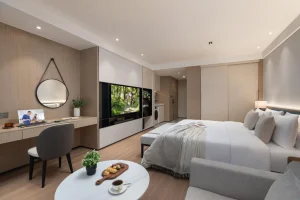
As metropolitan hubs globally transition toward micro-apartments and multi-family residential setups, spatial efficiency has evolved from a luxury option into a structural mandate. Architectural design now treats spatial configuration dynamic systems where modularity and flexibility dictate tenant retention and property valuations.
Global furniture procurement is undergoing a major realignment. Commercial developers, hospitality brands, and wholesale distributors are shifting away from fragmented supply networks toward integrated OEM suppliers capable of executing localized design requirements with scalable industrial output.
A reputable OEM supplier must maintain a clear compliance architecture. This includes adherence to strict environmental metrics (such as CARB Phase 2 and E0 formaldehyde standards), structural durability tests (such as BIFMA/SGS certifications), and reliable procurement practices.
Understanding the infrastructure, material ecosystem, and logistical advantages driving competitive pricing and rapid scaling.
Chinese furniture production centers have integrated high-precision German and Italian equipment (such as Homag edge-banders and CNC cutting stations) into their production lines. This transition reduces physical handling, minimizes dimensional variances, and improves throughput speed. The result is structural consistency across large production batches, ensuring consistent quality for high-density multi-family housing or large hospitality developments.
The concentration of domestic suppliers in China's industrial parks offers access to local component ecosystems. Sustainable timber composites, high-performance lacquers, heavy-duty drawer glides, and custom aluminum tracks are often sourced nearby. This proximity shortens material lead times and enables factories to adjust production schedules dynamically to meet tight construction deadlines.
Leading factories implement standardized inspection frameworks covering incoming raw material validation, mid-process assembly checks, and final loading checks. Component longevity is verified through dedicated labs that conduct cycling tests on moving parts, salt-spray tests on metal hardware, and surface-wear tests on laminate coatings, helping to manage risks before international dispatch.
Connecting Shanghai Ibrixa's structural heritage with custom, modern interior specifications.
Shanghai Ibrixa Home Co., Ltd. is a professional China furniture factory specializing in custom home furniture and integrated interior solutions. With years of experience in design, manufacturing, and global supply, the company is committed to delivering high-quality, stylish, and functional furniture for modern living spaces.
Ibrixa focuses on a wide range of home furniture products, including living room, dining room, and bedroom collections. By combining advanced production technology with skilled craftsmanship, the company ensures each product meets high standards in durability, comfort, and aesthetics. Materials are carefully selected to achieve a balance between quality, sustainability, and cost efficiency, making Ibrixa a reliable partner for both residential and commercial projects.
Driven by innovation and customer-oriented design, Shanghai Ibrixa Home Co., Ltd. provides customized furniture solutions tailored to different market needs, from compact apartment layouts to large-scale hospitality interiors. The company offers flexible design options, including size, material, color, and functional configurations, helping clients create unique and cohesive interior environments.
With a strong commitment to quality control, timely delivery, and professional service, Ibrixa has established long-term partnerships with clients worldwide. The company continues to enhance its capabilities to provide comprehensive, one-stop furniture and interior solutions for global customers.

How custom OEM storage systems address specific functional requirements in various target regions.
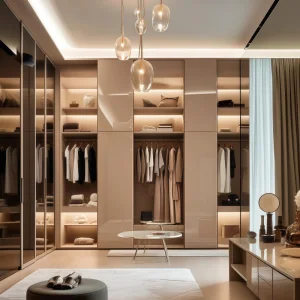
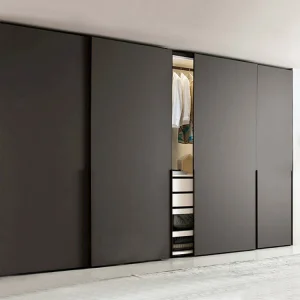
In major metropolitan hubs like New York, London, and Tokyo, spatial efficiency is key. Custom OEM storage installations use floor-to-ceiling modular wardrobe configurations, sliding doors, and concealed hardware to maximize floor area. Integrated LED track systems and customized internal configurations (such as pull-out trousers racks and integrated jewelry organizers) help match local market expectations.
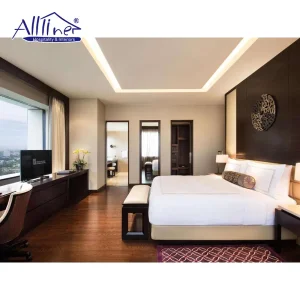
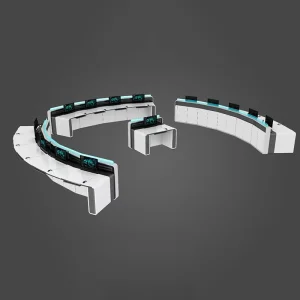
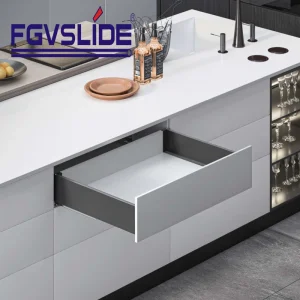
Hotel bedroom sets and serviced apartments require durability to withstand high guest turnover. OEM solutions focus on structural stability, such as heavy-duty metal edge banding, moisture-resistant laminates, and soft-close drawer slides that handle heavy usage. The furniture must integrate seamlessly with guest service consoles, in-room safes, and automated wardrobe lighting systems.
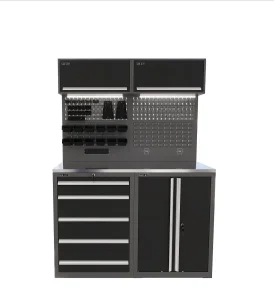
OEM modular design extends to heavy-duty storage applications, such as stainless steel rolling toolboxes and modular workshop storage. Engineered structural integrity is key here, utilizing reinforced steel framing, high load-capacity drawer slides, and chemical-resistant surface coatings. These features support intensive usage in demanding commercial and industrial environments.
The technological and architectural trends shaping the future of custom interior storage systems.
Modern storage solutions are evolving past basic cabinets. Current developments focus on integrating IoT features, such as biometric fingerprint locks for walk-in closets, motorized height-adjustable shelving tracks, and voice-controlled internal illumination. These technologies rely on high-grade aluminum profiles and structural design to route wiring safely and cleanly.
Regulatory bodies in Europe and North America continue to lower acceptable chemical emission limits. Consequently, OEM factories are adopting non-toxic adhesives, water-based finishes, and fast-growing sustainable composite woods. Sustainable sourcing has become a prerequisite for major developers seeking green building certifications like LEED or BREEAM.
The integration of digital design workflows is changing how buyers evaluate custom systems. Incorporating professional 3D rendering and VR modeling services into the early design phase helps clients preview configurations, material textures, and spatial layouts before manufacturing begins. This planning step helps avoid expensive design changes later in the production process.
Strategic advice for real estate developers, commercial architects, and furniture wholesalers.
Before launching a production run, buyers should request comprehensive CAD design files, structural schematics, and load capacity reports. Prototyping critical joints and verifying hardware specifications (like Blum or DTC hinges) ensures the final assemblies will meet long-term durability requirements.
International shipping costs make spatial efficiency crucial for packaging. High-density flat-pack systems, designed with protective corner guards and shock-absorbing materials, protect panels during transit and optimize container space, helping to lower overall shipping and logistics costs.
Ensure that all materials are accompanied by genuine testing certificates (such as SGS or Intertek reports). Verified low-emission boards and flame-retardant fabrics help prevent customs delays and ensure compliance with local building codes and fire safety regulations.
Addressing the key technical, logical, and commercial inquiries from global purchasing professionals.
Explore additional specialized interior architectural components and heavy-duty storage systems.
 Ibrixa Home