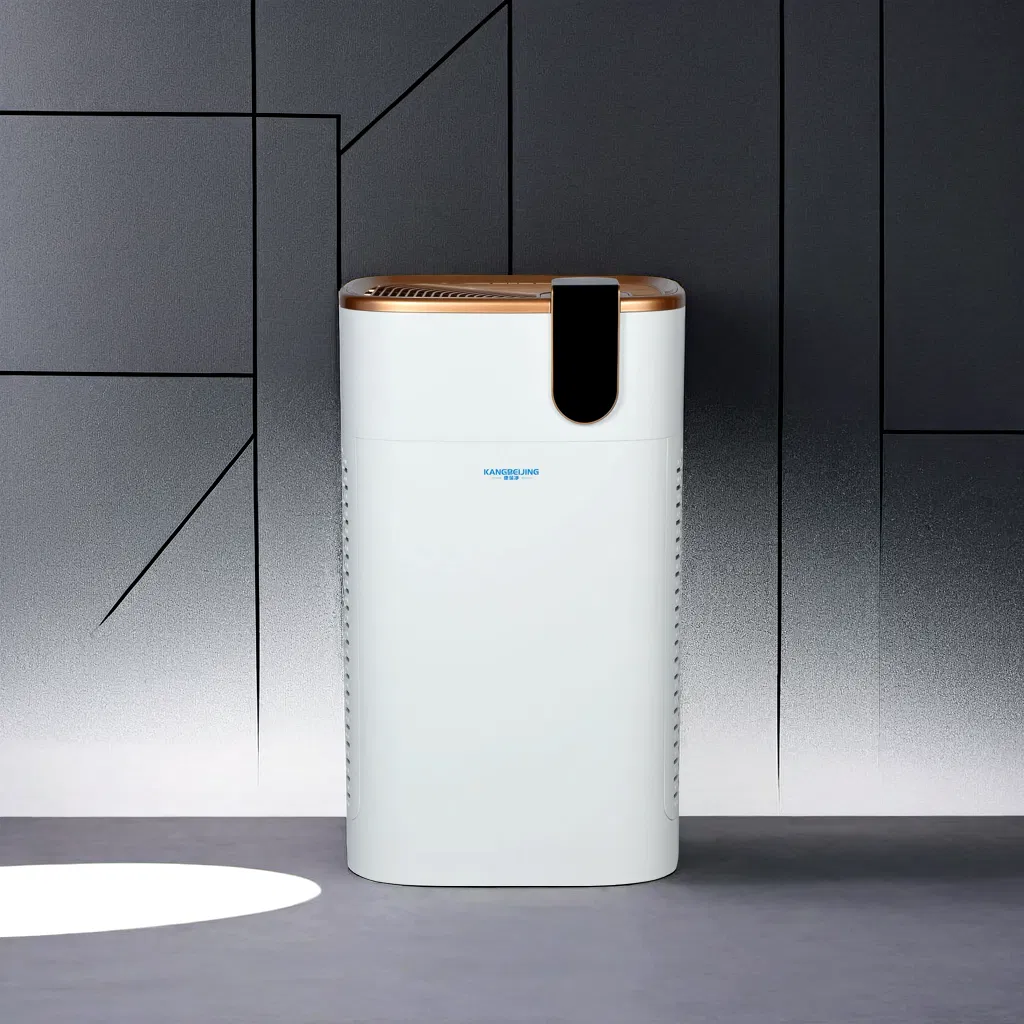
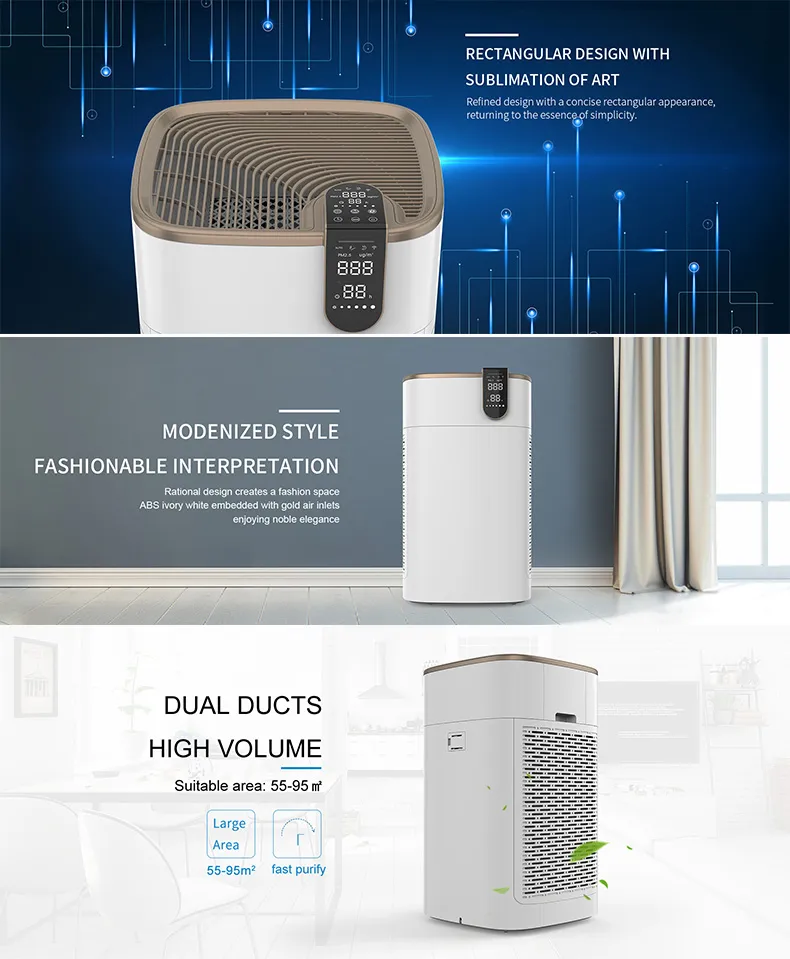
Plasma Air Purifier: Senior Care Elevation
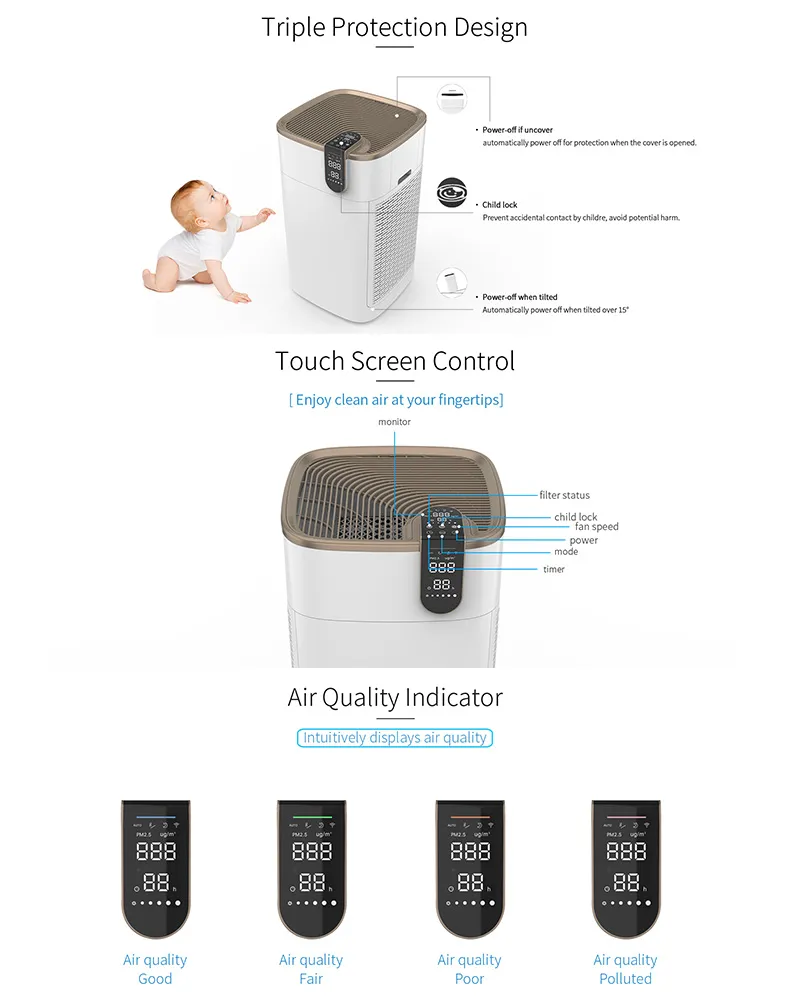
In senior living communities, invisible threats like formaldehyde, bacteria, and stale air significantly impact health. Older adults' immune systems are often more vulnerable to pollutants, making air quality a cornerstone of wellness. The 6th-generation plasma purification technology redefines health environments, turning every breath into a step toward vitality.
Air Pollution Hazards in Senior Care
- Chemical Hazards: Formaldehyde from furniture and TVOCs from disinfectants irritate lungs and increase health risks.
- Biological Risks: Shared spaces can harbor high levels of bacteria and influenza, affecting frail residents.
- Oxygen Deprivation: Limited ventilation leads to CO2 spikes, causing fatigue and confusion.
Medical-Grade Wellness Solutions
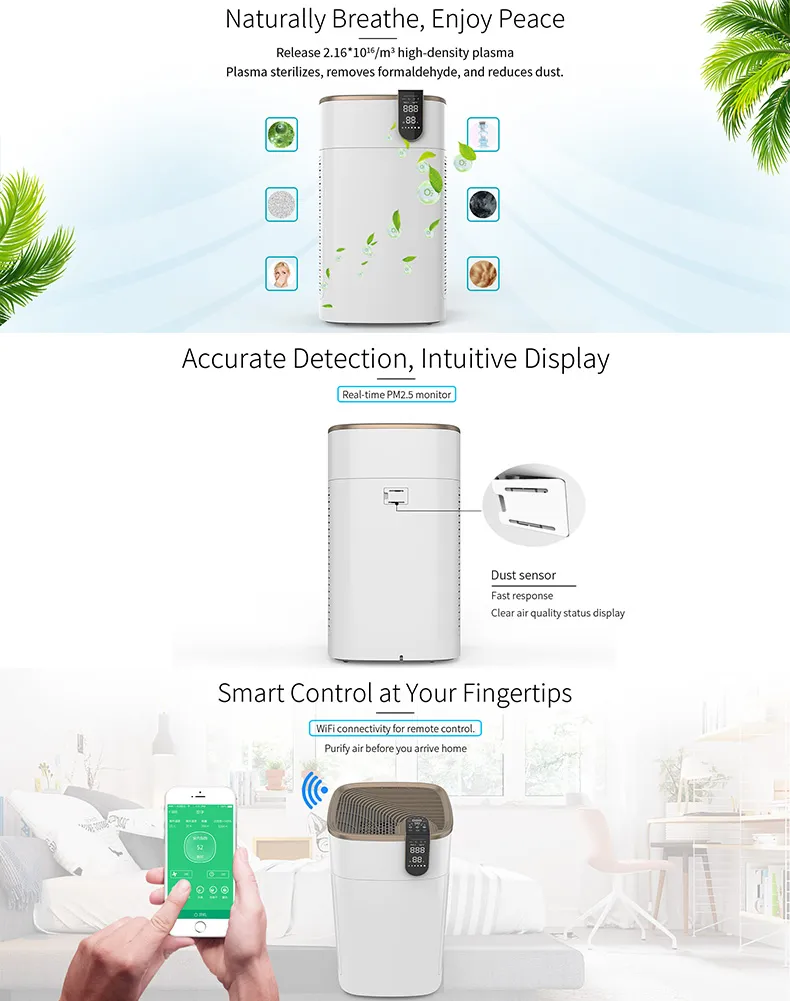
Active Sterilization: Plasma ions penetrate bacterial walls, achieving 99.97% inactivation of airborne pathogens. It decomposes formaldehyde into water and CO2 rather than just trapping it.
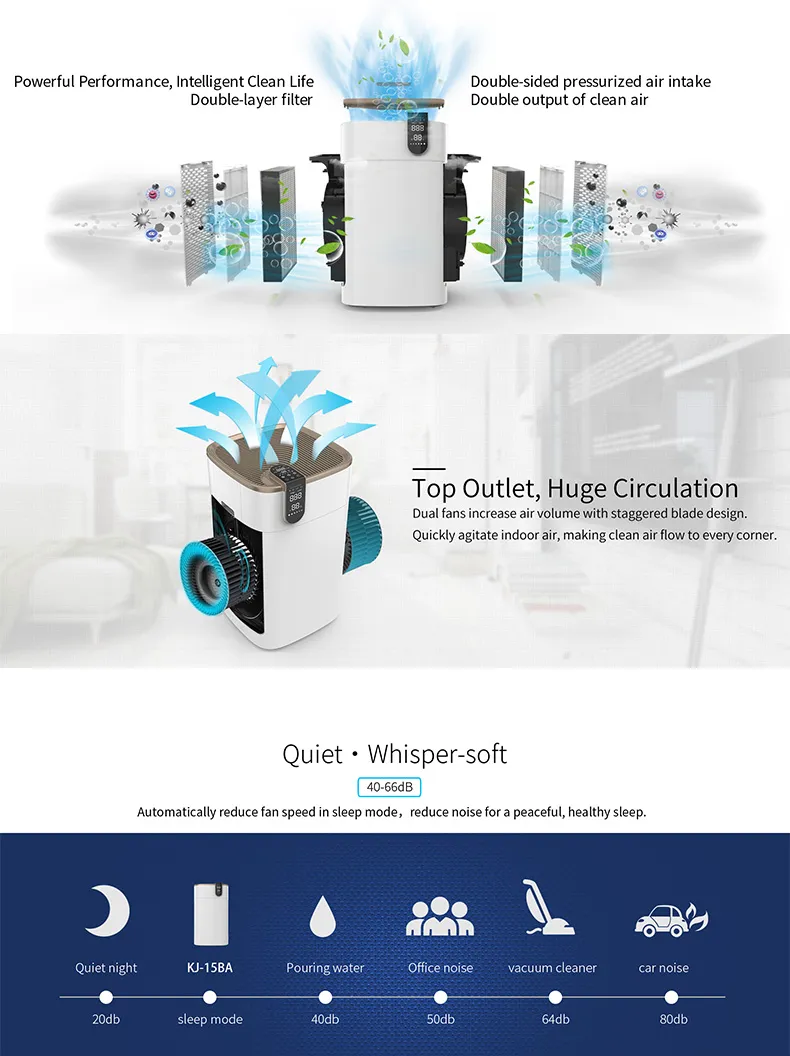
Operating at ≤22dB, this system is quieter than a heartbeat monitor, making it ideal for dementia units where noise can trigger agitation. Night mode ensures uninterrupted sleep, which is vital for cognitive health.
Technical Innovation & Quality
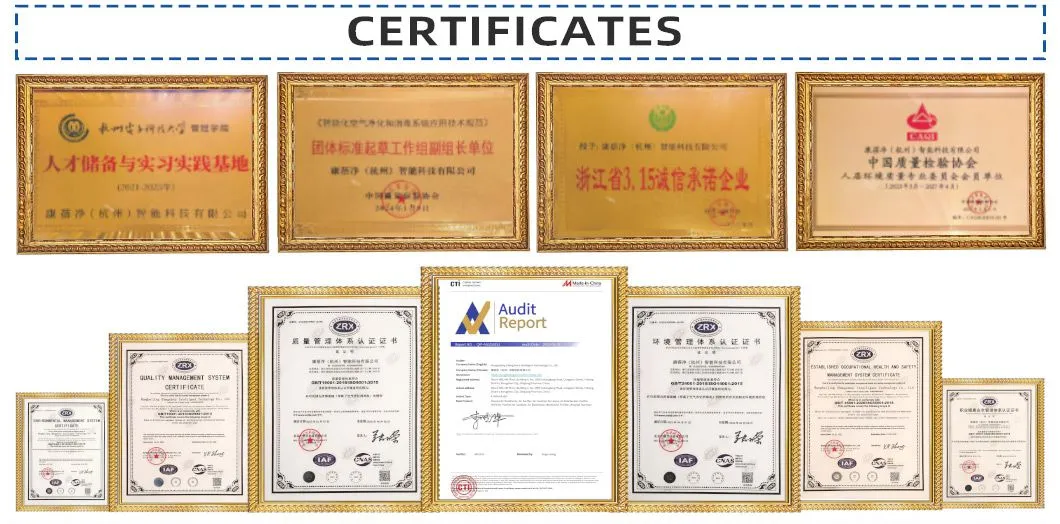
Utilizing Dielectric Barrier Discharge (DBD) technology, our generators create highly stable and active low-temperature atmospheric plasma. This technology meets the rigorous conditions required for medical-grade applications. Our systems have been recognized for exceptional quality and were selected for high-profile international summit venues.
Frequently Asked Questions
Q1: What is a plasma air purifier and how does it work?
A1: It generates a mixture of ions and free-moving electrons via electrical discharge. These unstable ions initiate chemical reactions that break down the molecular structures of pathogens (bacteria/viruses) and harmful VOCs, effectively cleaning the air.
Q2: How is it different from traditional HEPA air purifiers?
A2: Traditional units only trap particles in filters which must be replaced regularly to prevent bacterial growth. Plasma technology actively diffuses through the air to disinfect surfaces and hard-to-reach areas without the risk of filters breeding bacteria.
Q3: Where should I place the device for optimal performance?
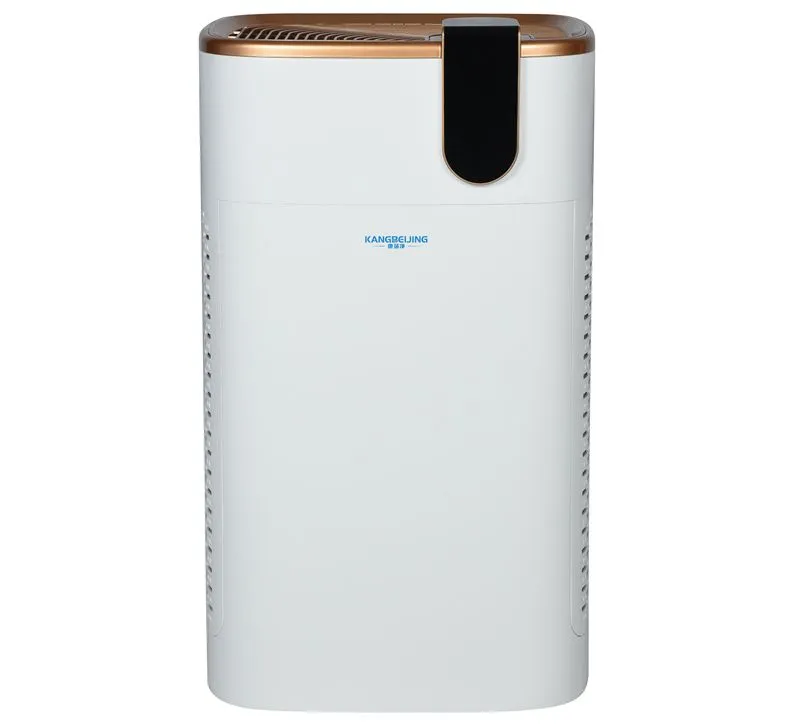
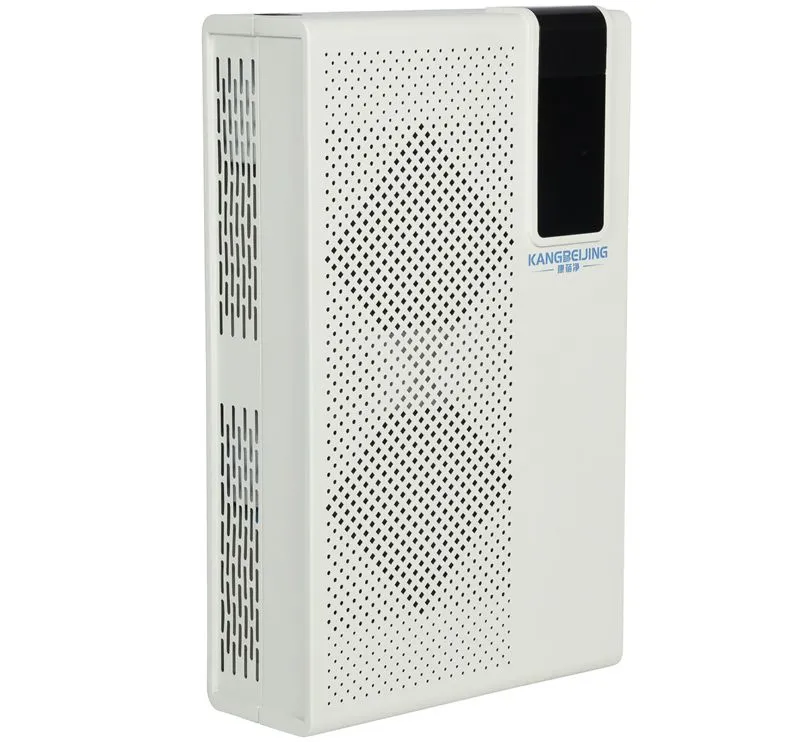
A3: Portable models should be in a central location with clear air circulation. HVAC-integrated models should be mounted within the ventilation system to distribute ions throughout the entire building.
Q4: What specific pollutants can this system remove?
A4: It removes dust, pollen, PM2.5 (down to 0.001 μm), bacteria, viruses, molds, and harmful VOCs like formaldehyde, benzene, and ammonia, as well as unpleasant odors.
Q5: Is it safe to use around people and pets?
A5: Yes. Our systems comply with strict safety standards and are certified for zero ozone emissions (UL 2998 standard), making them safe for continuous operation in occupied spaces.
Q6: How long do the parts last?
A6: The average lifespan is 3-5 years. Certain components like specific ion modules or HEPA elements have a lifespan of approximately 2 years under continuous 24/7 usage before needing replacement.
 Ibrixa Home